

Funny fiction gives your everyday reading a welcome lift, turning a quiet commute or bedtime break into time well spent. Without it, a novel may feel like a chore, while scrolling social media offers quick laughs but little room for memorable characters or a satisfying story.
For humor that comes with a plot, a funny novel brings jokes, lively characters, and a story you can follow from page to page. You get an easy way to unwind without giving up the pleasure of getting caught up in a book.
Sharp dialogue keeps conversations entertaining, absurd situations add surprise, and relatable characters make the comedy feel warm rather than forced. Many funny stories also explore friendship, family, or everyday mishaps, giving you more to enjoy than punchlines alone.
Humor styles, story lengths, and subjects vary, so think about what makes you laugh and how much time you have to read. Explore the best funny fiction books below to find a story that suits your sense of humor.
8 Best Funny Fiction Books Reviews

1.Mira Books Christmas Ever Holiday Novel
Funny holiday storytelling brings an uplifting Christmas tale to life

2.Park Row The Messy Lives of Book People Novel
A humorous story of secrets and literary discovery for book lovers

3.Berkley Funny Story Fiction Novel Paperback
A funny contemporary novel for readers looking for a lively story

4.Mosaic Sideways Stories from Wayside School
Part of the Wayside School series by award-winning author Louis Sachar
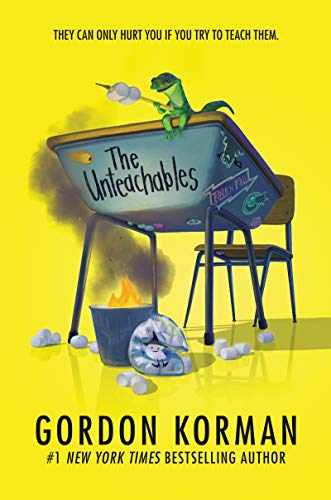
5.Mosaic The Unteachables Humorous Novel
A hilarious tale of a class of misfits and mayhem for young readers

6.Scholastic How to Eat Fried Worms Book
Paperback comedy classic with 144 pages of realistic fiction for

7.Mosaic Christmas Pageant Ever Holiday Classic
An award-winning holiday classic full of laughter and Christmas spirit
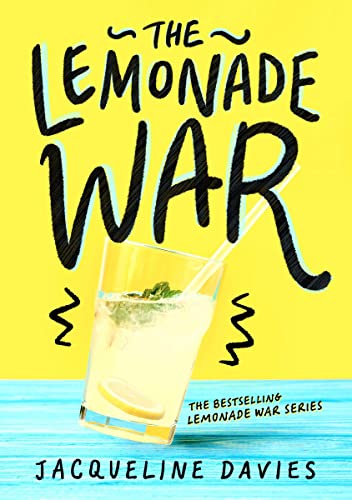
8.Clarion The Lemonade War Children's Novel
Siblings wage a five-day lemonade rivalry blending math and family
1. Mira Books Christmas Ever Holiday Novel
The Best Christmas Ever is a funny, uplifting holiday novel for readers who want seasonal fiction with humor at its heart. Its title points to a festive story with a light tone, making it a possible pick for a holiday reading list.
The book’s description presents it as both funny and uplifting, so it may suit readers looking for a cheerful seasonal read. The data does not give plot details, characters or a specific kind of humor, so buyers who want to know more about the story may want to check a fuller synopsis.
This edition measures about 5.3 by 0.9 by 7.8 inches, a compact format for carrying or setting on a bedside table. At about 0.6 pounds, it is also light to hold during a longer reading session.
Mira Books publishes the novel. The available details do not specify the page count, format, or any bonus material, so those points are worth confirming if they matter to your purchase.
Readers who enjoy funny holiday fiction and want an uplifting seasonal book may find this title appealing. It is a straightforward option for someone choosing a festive read by its stated tone, rather than by detailed plot information.
- Funny, uplifting tone suits cheerful holiday reading
- Light, about 0.6-pound book is easy to hold
- Compact size fits easily on a bedside table
- No major cons
2. Park Row The Messy Lives of Book People Novel
For readers who enjoy humorous women’s fiction, The Messy Lives of Book People offers a novel built around secrets and literary discovery. Its title also signals a comic focus on the complicated lives of people connected by books.
The Amazon listing points to four other novels: The Curious Charms of Arthur Pepper, Rise and Shine, Benedict Stone, The Library of Lost and Found, and The Secrets of Love Story Bridge. These titles give readers a few related works to explore alongside this book.
At about 2.3 pounds, the book is a substantial print volume to carry between home, work, or a trip. Its listed size is roughly 7.8 inches tall, a familiar format for reading in hand or placing on a shelf.
The available details do not describe the plot beyond secrets and literary discovery, so readers looking for specific characters or story settings will need more information before buying. It may suit readers seeking a humorous women’s fiction novel with a book-centered premise.
- Humorous women’s fiction with literary themes
- About 7.8 inches tall for shelf storage
- Lists four related novels to explore
- Plot details beyond the premise are limited
3. Berkley Funny Story Fiction Novel Paperback
0.7 pounds gives Funny Story a light hardcover format for readers who want a book they can carry between home, work and travel. Berkley’s novel fits a fiction roundup for readers choosing their next book to read.
The available listing identifies the title as Funny Story, but it does not provide a plot summary, character details or genre specifics beyond the roundup topic. Buyers can confirm the story’s subject and style from the book’s full description before choosing it.
Its blue cover gives the book a distinct look on a shelf or bedside table. At about 8.3 inches tall, it has a familiar book format for holding during a reading session or placing in a bag.
The listed weight is about 0.7 pounds, so carrying it alongside other everyday items adds little weight. Its dimensions describe a relatively compact volume, though the listing does not state the page count or whether this edition includes extra material.
Since the product details offer no information about writing style, themes or intended age group, those points remain open questions for readers. Funny Story may suit people browsing fiction, but shoppers should check the full book description to see whether its story appeals to them.
- Slim paperback-sized format is easy to carry
- Lightweight at about 0.7 pounds for reading on the go
- Compact dimensions fit easily on a bookshelf
- No major cons
4. Mosaic Sideways Stories from Wayside School
Children ages 8 to 12 get a funny school adventure in Sideways Stories from Wayside School, a chapter book by Louis Sachar. It belongs to the Wayside School series, giving young readers a way to continue with the same series after this book.
Louis Sachar is a Newbery Medal-winning author, a detail that may matter to families choosing fiction for children. The title points to school adventures and a humorous tone, making this book a fit for readers looking for funny fiction about school.
As a chapter book, it offers a format young readers can approach in shorter reading sessions. The listed age range of 8 to 12 helps parents and children decide whether it suits the reader’s stage and interests.
The book comes in blue and weighs about 0.6 pounds. Its compact paperback-like listing dimensions are about 7.6 inches tall, though the data does not specify its binding or page count.
The product details do not provide a plot summary, so buyers will need to look beyond these specifications to learn which characters or school episodes it contains. Still, its series connection and author credit give readers two useful points of reference.
This book suits children ages 8 to 12 who want a funny chapter book centered on school adventures, especially readers interested in Louis Sachar’s Wayside School series.
- Louis Sachar is a Newbery Medal winner
- Part of the Wayside School series
- School-adventure subject suits funny fiction
- No major cons
5. Mosaic The Unteachables Humorous Novel
The school setting gives The Unteachables a place in the funny-fiction roundup for children ages 8 to 12. Its title points to a class of misfits and the mayhem around them, making it a choice for young readers drawn to humorous stories about school.
The book is described as a hilarious novel for children in that age group. That makes its intended audience easy to identify for families choosing fiction for a child or for young readers browsing for their next book.
The class premise gives the humor a shared setting rather than focusing on a single character in the title. Readers who like stories about groups of classmates may find that setup appealing, especially when they want comedy tied to school life.
Its listed weight is about 0.9 pounds, so it remains a manageable book to carry between home, school and a trip. The compact paperback-like size shown in the listing also makes it suited to reading in hand, though the format is not specified.
The listing does not provide details about the plot beyond the class of misfits and mayhem, or name particular characters and themes. Buyers looking for a precise story description may want more information before choosing it.
For children ages 8 to 12 who enjoy humorous fiction and stories centered on a lively class, this book offers a school-based premise to explore. Its appeal rests on that age range and comedy-focused setup.
- A humorous school premise for ages 8–12
- Class of misfits offers group-focused comedy
- About 0.9 pounds for carrying between places
- No major cons
6. Scholastic How to Eat Fried Worms Book
Comedy and realistic fiction meet in How to Eat Fried Worms, a paperback for readers in grades 4 and 5. Its 144 pages make it a manageable choice for young readers who want a funny story with a realistic-fiction angle.
The book also sits in the classics and media tie-in categories, giving readers several ways to place it on a reading list. Its comedy and humor genre makes it a fit for a roundup focused on funny fiction, while the realistic-fiction label offers another point of interest.
A Lexile measure of 560L gives families and teachers one reference for matching the book to a reader. The listing also gives a reading level of R and a DRA level of 40, so buyers can compare those measures with other books.
The ACR level is 3.5, another reading measure included in the listing. Together, these details help adults consider the book for classroom reading, independent reading, or a gift for a child in the stated grade range.
This Scholastic Gold edition comes in paperback format and has an ISBN13 of 9781338565898. Its listed weight is about 3 ounces, so it is a lightweight book to carry between home and school.
Readers looking for a short, humorous fiction selection for a child in grades 4 or 5 may find this paperback worth considering. Its genre labels and several reading measures also help adults decide whether it suits their reading plans.
- 144 pages make for a manageable read
- Comedy and humor suit funny-fiction fans
- Multiple reading levels help guide selection
- Paperback may show wear with frequent use
7. Mosaic Christmas Pageant Ever Holiday Classic
Mosaic presents The Best Christmas Pageant Ever as a funny-fiction pick with a holiday theme. The title identifies it as an award-winning classic and notes that Lionsgate has made it into a major motion picture, giving readers two reasons to recognize it before opening the book.
Its listed format is picture book, so the story comes in a visual format rather than a standard text-only edition. That may suit readers looking for a book to share aloud or browse together, though the listing does not describe its illustrations or story details.
The title promises laughter and Christmas spirit, making its seasonal setting central to its appeal. Readers choosing funny fiction can consider it for a holiday-themed option, while the picture-book format may also make it a choice for younger audiences or family reading.
The book comes in red and weighs about 0.2 pounds. Its compact listing size is around 7.6 inches tall, making it a small-format book to hold or put away with other seasonal reads.
The title also connects the book with a major motion picture from Lionsgate. That adaptation may interest readers who want to explore the book behind the film, though the product details do not specify the movie’s release date or its relationship to this edition.
This edition suits readers seeking a recognized, holiday-themed funny-fiction picture book, especially those interested in a story also adapted for film. Buyers who want specific details about the plot, illustrations, or reading level may need information beyond this listing.
- Picture-book format suits shared reading
- Holiday humor offers a seasonal fiction choice
- Major Lionsgate film tie-in adds recognition
- Listing gives no plot or illustration details
8. Clarion The Lemonade War Children’s Novel
With a five-day lemonade-stand rivalry and a sibling story at its center, The Lemonade War brings humor to family fiction. Evan and Jessie compete over their stands, giving young readers a funny story built around their efforts to outdo each other.
The book also brings math and business into the plot. As the siblings run their lemonade stands, readers ages 8 to 12 encounter those topics alongside the ups and downs of family life.
Its focus on two siblings gives the rivalry a personal side, while the lemonade-stand contest supplies a playful setup. That mix makes it a fit for readers who enjoy funny stories with family relationships and a clear central challenge.
The title identifies it as the first book in The Lemonade War series, so it can also serve as a starting point for readers who want to continue with the siblings’ story. This paperback-format listing weighs about 0.4 pounds.
For children who like sibling rivalries, small-business schemes and humor, this book offers all three in one story. It suits readers ages 8 to 12 looking for funny fiction with math, business and family themes.
- Five-day rivalry gives the story a clear hook
- Mixes humor with math, business and family
- Written for readers ages 8 to 12
- No major cons
How to Choose the Best Funny Fiction Books
A funny book is only a good match if its humor, subject, and reading level suit the person who will read it. Age, format, length, tone, and price all shape whether a story feels enjoyable or becomes a poor fit.
| If You Need | Look For | Expect |
|---|---|---|
| A book for a child | Stated age range and reading level | Narrower age appeal |
| A seasonal read | Holiday setting and tone | Less year-round relevance |
| A quick read | Lower page count and shorter format | Less room for plot |
| A family read-aloud | Clear humor and accessible language | Reading time together |
| A specific comedy style | Themes, setting, and tone | Humor that suits some tastes |
| A portable book | Paperback format and lower weight | Less sturdy handling |
| A continuing story | Series name and book number | More books to follow |
Reader Age and Level
Start with the intended reader’s age and reading confidence, since a funny story depends on understanding its words, situations, and jokes. Children’s age labels offer a useful first guide, but they do not replace a look at reading level.
For younger readers, check whether the book is a picture book, an early chapter book, or a longer novel. Pictures and shorter chapters support new readers, while longer plots suit children ready to follow several events.
For middle-grade readers, look at both the stated age range and any reading-level information. A Lexile measure or grade label gives a rough guide, but interest and comfort with the subject also shape the reading experience.
Adults buying for a child should consider who will read the book: the child alone, a parent aloud, or both. A book that suits a read-aloud may not match a child’s independent reading level.
Humor and Tone
Funny fiction can lean on silly mishaps, sharp observations, awkward situations, or playful word choices. Look for a description of the tone, since “funny” alone does not say whether the humor feels gentle, chaotic, or dry.
A warm, uplifting story suits readers who want comedy alongside reassurance or a hopeful ending. Readers who prefer fast-moving trouble may enjoy a more mischievous setup, while a quieter comic style may suit reflective readers.
For children, consider whether the humor relies on embarrassment, gross-out moments, or school antics. A child’s taste varies widely, so familiar themes and a sample passage offer better clues than age labels alone.
Subject and Themes
The setting often decides whether a reader connects with a story: school, family, holidays, books, and everyday rivalries each bring a different kind of comedy. Pick subjects the reader already enjoys, especially for reluctant readers.
Check whether the story includes themes beyond jokes, such as family relationships, secrets, friendship, business, or personal change. These give a plot more to hold onto, but readers seeking nonstop comedy may prefer a lighter focus.
Holiday stories work especially well for seasonal reading or gifts, but their setting can feel less timely in other months. For a book meant to stay on the shelf year-round, choose a less seasonal subject.
Story Length and Pace
Page count and format give a rough sense of the time commitment, but they do not fully predict pace. A short book may still have a detailed story, while a longer novel gives more room for characters and plot.
For a quick gift or a child building reading confidence, a shorter book or picture-book format lowers the commitment. Readers who enjoy spending time with characters may prefer a full novel with a more developed storyline.
Look for signs of a clear central problem, such as a competition or a school situation, if the reader likes stories that move toward a goal. A premise with several themes may offer more depth, but it may take longer to unfold.
Format and Reading Use
Paperback, picture book, and chapter book formats serve different reading habits. A picture book suits shared reading and younger children, while a chapter book supports independent reading in shorter sessions.
A paperback is usually easy to carry and comfortable to read in different places, though frequent handling can wear it faster. For a book that will be read aloud or passed among children, sturdier construction may be worth seeking.
Think about whether the book is for solo reading, a classroom, a holiday tradition, or a family read-aloud. A format that fits the setting makes it easier to use, while a poor fit can leave the book untouched.
Series and Standalone Appeal
A series entry can invite readers to follow familiar characters, but book order matters when a plot continues across titles. Look for the series name and number, then confirm whether the story works on its own.
The first book in a series is often the simplest starting point, while a later installment may assume prior knowledge. For a one-time gift, a standalone story avoids asking the reader to track down earlier books.
Related-title lists can help identify a reader’s broader taste, but they are not a promise that two stories share the same humor. Use them as a starting point, then compare themes, tone, and reading level.
Reading Information
Publisher reading labels, grade ranges, and Lexile measures help narrow choices, especially for children. Treat them as estimates rather than strict rules, since vocabulary, attention, and familiarity with a topic all affect difficulty.
A book’s page count and chapter structure add practical clues. Short chapters give readers natural stopping points, while a compact story may suit a busy schedule or a child who is still building reading stamina.
When possible, read a sample page before buying. It shows sentence length, vocabulary, and the kind of jokes the reader will meet, which a short sales description cannot fully convey.
Portability and Size
Weight and dimensions matter when a book will travel in a backpack, purse, or carry-on. A lighter, smaller book is easier to carry daily, while a heavier edition may feel less convenient on the move.
For children, consider whether the book fits school bags and small hands. A compact book is easier to manage, although larger pages can make illustrations and text easier to view during shared reading.
Product listings may describe dimensions or weight differently, so compare the stated format and measurements before ordering. These details are especially useful when buying for travel, classroom use, or a child who prefers lightweight books.
Price and Value
Price usually reflects format, page count, edition, and whether the book is part of a series or a special release. A lower-priced paperback suits casual reading, while a higher price is more justified for a gift or durable keepsake.
Compare the cost with how often the reader is likely to return to the book. A seasonal story may see concentrated use, while a favorite series or family read-aloud may earn repeated reading across months or years.
For a child’s first independent book, avoid paying extra for features the reader will not use. Spending more makes sense when a specific format, edition, or lasting gift value matters to you.
Frequently Asked Questions
Are these books powered by anything, or are they printed books?
They’re print books, including paperbacks such as *Funny Story* and *How to Eat Fried Worms*; no power source is needed.
What materials and formats are these books made with?
The listings identify *Funny Story* and *How to Eat Fried Worms* as paperbacks, but don’t specify the format or materials for every title. Check the individual listing for details before buying.
What comes in the box when I order one?
Each product is a book; the listings don’t mention extra items or bundles. Check the product page for the edition and format included.
Should I choose *Christmas Ever* or *Christmas Pageant Ever*?
Choose *Christmas Ever* for an uplifting, funny holiday story, or *Christmas Pageant Ever* for an award-winning classic with Christmas spirit and laughter.
Which book is best for a young reader who likes classroom humor?
*The Unteachables* features a class of misfits and mayhem, while *Sideways Stories from Wayside School* is part of Louis Sachar’s school-themed series.
What should I pick for a funny story about siblings competing?
*The Lemonade War* follows siblings in a five-day lemonade rivalry that blends math and family. For a comedy classic instead, consider *How to Eat Fried Worms*, a 144-page work of realistic fiction.
Which book suits a reader who loves books and literary secrets?
*The Messy Lives of Book People* is described as a humorous story of secrets and literary discovery for book lovers.
So, What Should You Buy?
For most readers, Park Row’s *The Messy Lives of Book People* is a winning pick, pairing humor with secrets and literary discovery. Want festive laughs? Choose Mira Books’ *Christmas Ever* or Mosaic’s *Christmas Pageant Ever*. For a lively contemporary read, try Berkley’s *Funny Story*.
Younger readers can turn to Mosaic’s *The Unteachables* or *Sideways Stories from Wayside School*, Scholastic’s *How to Eat Fried Worms*, or Clarion’s *The Lemonade War*. Pick the book that suits your reader, and let the laughs begin.