

Clear business communication helps you explain ideas, lead meetings, and build stronger working relationships. Without practical guidance, emails can sound unclear, feedback may miss the mark, and important conversations can drift. Quick tips online offer snippets, but they rarely provide the organized lessons and examples a book can.
For a steadier guide, business communication books bring useful principles together in one place. They show you how to shape a message, listen with purpose, write professionally, and adapt your tone to different situations, so everyday conversations feel more focused.
Many titles include sample emails, meeting advice, negotiation strategies, and exercises you can apply at work. Those tools help you prepare for difficult discussions, share ideas with confidence, and make your writing easier for colleagues to follow.
Books vary in focus, style, and depth, so consider whether you want stronger writing, leadership communication, or help with presentations. Explore the best business communication books below to find a practical guide for your goals.
8 Best Business Communication Books Reviews

1.Collins Writing That Works Business Book
Emails, memos and letters help get your message read and acted on

2.Skyhorse When Every Word Counts Book
Clear communication helps you earn trust and command attention

3.McGraw-Hill Crucial Conversations Third
Tools for talking help you handle high-stakes conversations

4.Effective Emails Business Communication Book
Straightforward email communication helps you get your point across
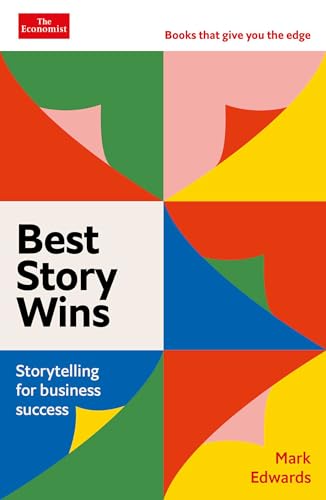
5.The Economist Story Wins Business Book
Storytelling helps you communicate ideas and achieve business success

6.McGraw-Hill Business Communication ISE Book
Develops leaders to communicate effectively in a networked world

7.Majosta How to Talk to Anybody Book
Learn secrets for small talk, business, sales and social conversations
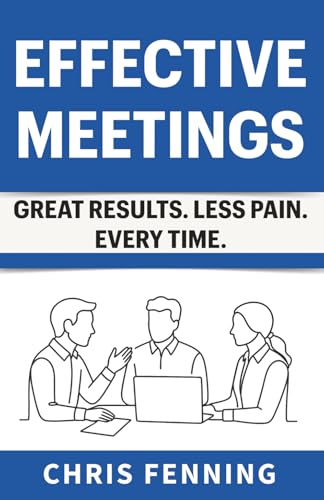
8.Effective Meetings: Great Results, Less Pain
Great results with less pain help make every meeting more effective
1. Collins Writing That Works Business Book
Collins Writing That Works helps readers handle the everyday writing tasks that keep business communication moving. It covers emails, memos and letters, with guidance aimed at getting messages read and prompting a response.
For people presenting proposals, recommendations or plans, the book also addresses how to explain ideas and set out next steps. Its coverage includes reports, so readers can work on documents that share information and support workplace decisions.
Sales and fundraising letters get their own place among the topics. Readers can use those examples and guidance when they need to ask for support or communicate an offer, rather than relying only on general business-writing advice.
Job seekers can also turn to its sections on resumes and letters that lead to interviews. That makes the book relevant beyond day-to-day office messages, including the written material people prepare while pursuing a new role.
Speeches round out the subjects, with advice on making a point for an audience. The book’s range suits readers who want one resource covering workplace correspondence, reports, persuasive writing, job applications and speaking.
At about 0.65 pounds, it is light enough to carry between home, work and study. This book suits business readers, job seekers and anyone who wants guidance across several common forms of professional communication.
- Covers emails, reports, proposals and speeches
- Includes resumes and letters for job seekers
- Addresses both sales and fundraising letters
- Weighs about 0.65 pounds for carrying
- No major cons
2. Skyhorse When Every Word Counts Book
For conversations where trust and attention matter, *When Every Word Counts* focuses on communicating clearly in different situations. Its title frames the book around three goals: earning trust, holding people’s attention and expressing ideas so others understand them.
That focus makes it relevant to business communication, where people share information with colleagues, clients and teams. The book’s emphasis on clarity speaks to readers who want their words to carry across a range of professional exchanges.
The title also points to communication as a practical skill, not just a matter of choosing words. Its scope includes building credibility and commanding attention, alongside making a message clear.
At about 1.1 pounds, the book is light enough to carry between work, home or school. Its listed dimensions are about 9 inches tall, making it a standard-sized volume for reading or keeping on a desk.
The Amazon listing gives no further description of its contents, so buyers cannot tell from the available details which methods or examples it covers. Still, the book’s stated focus may suit readers seeking guidance on communicating with more purpose.
This Skyhorse book is best suited to professionals and students who want to improve how they present ideas, build trust and keep communication clear across different situations.
- Covers trust, attention and clear communication
- Addresses communication across different situations
- Weighs about 1.1 pounds for carrying
- No major cons
3. McGraw-Hill Crucial Conversations Third
At 0.8 pounds, Crucial Conversations is a light book to carry between home, work and meetings. Its third edition focuses on conversations where the stakes are high, making it relevant to readers who want to communicate more thoughtfully in business settings.
The title frames the book around tools for talking through important discussions. That focus makes it a candidate for readers who want a dedicated guide to communication at work, rather than a general business reference.
The third edition is the version named in the title, so buyers can identify the specific edition before choosing it. The product data does not describe the book’s methods or chapter topics, so readers may want to check the contents to see how closely they match their needs.
At about 0.8 pounds, it is fairly light to take along to the office or keep in a work bag. Its listed size is about 9 inches tall, a familiar book format for reading at a desk or during a commute.
The title suggests a focus on difficult, high-stakes conversations, which may interest managers, colleagues and other professionals who want to improve how they handle important discussions. It suits readers seeking a book specifically centered on business communication.
- Third edition gives buyers a clearly named edition
- Focuses on tools for high-stakes conversations
- Light 0.8-pound weight suits carrying to work
- Product details give no chapter or method information
4. Effective Emails Business Communication Book
Readers who want more direct workplace messages get a book focused on writing effective emails. Effective Emails: The Secret to Straightforward Communication at Work addresses business communication, with email as its central subject.
The title points to a practical goal: making work emails straightforward. That focus may suit people who write to colleagues, clients or managers and want their messages to communicate clearly.
As a business communication book, it may also interest readers building everyday workplace writing skills. Its subject is narrower than business communication as a whole, so buyers looking for coverage of presentations, meetings or negotiations may want a broader guide.
The listing gives no details about specific lessons, exercises or examples, so buyers cannot tell from the available information how the book teaches its subject. The title does, however, make its workplace email focus clear.
Its compact paperback-sized format measures about 5.5 by 8.5 inches, and it weighs about 0.4 pounds. That makes it easy to carry in a work bag or keep beside a desk for reading between tasks.
This book suits readers who want a focused introduction to straightforward workplace emails, especially those who prefer a light, portable book. Buyers seeking a broad business communication reference or details about the book’s contents may want more information before choosing it.
- Focuses on straightforward workplace email writing
- Targets business communication skills at work
- Lightweight at about 0.4 pounds to carry
- Listing gives no details about lessons or exercises
5. The Economist Story Wins Business Book
At a desk or in a meeting room, Best Story Wins: Storytelling for Business Success offers a book-length focus on storytelling for business success. Its title makes it a relevant option for readers exploring communication ideas for work.
The book’s subject connects storytelling with business communication, a useful area to consider when choosing a title about presenting ideas at work. The available product details do not describe particular methods or lessons, so readers should not expect a specific approach based on the listing alone.
It is published as part of the Economist Books range. That gives buyers the series name to consider, though the supplied details do not outline the book’s author, chapter topics or intended audience.
At about 2.3 pounds, it is a substantial physical book to carry between home and work. Its listed size is about 8.3 inches tall, making it a standard book-format choice for reading at a desk or keeping on a shelf.
The listing provides no information about the page count, edition or format beyond the book’s dimensions and weight. This title may suit readers seeking a business communication book centered on storytelling, especially those who want to assess the actual contents before buying.
- Focuses on storytelling for business success
- Covers a useful skill for business communication
- Economist Books title for professional readers
- No major cons
6. McGraw-Hill Business Communication ISE Book
Business Communication is the subject of *Business Communication: Developing Leaders for a Networked World ISE*, a book for readers interested in communication and leadership in connected workplaces. The title points to developing leaders as a central focus.
The book may suit business students and readers looking to study how communication relates to leadership in a networked world. The available product details do not describe its topics or approach beyond the title, so buyers may want to check the book’s contents before choosing it.
At about 2.5 pounds, it is a substantial book to carry between classes or meetings. Its listed size is about 8.5 by 10.8 inches, which gives it a broad page format for reading and study.
McGraw-Hill Education publishes this edition. Since the listing provides no information about its chapters, exercises, or intended course level, it is best suited to readers whose needs match the subject and title.
For students studying business communication or leadership, the title offers a clear subject to assess against a course or reading list. It is a larger-format book, so it may work better for desk or classroom use than frequent travel.
- Focuses on business communication and leadership
- Addresses leadership in a networked world
- Broad page format suits desk-based study
- Listing gives no chapter or topic details
7. Majosta How to Talk to Anybody Book
Majosta presents *How to Talk to Anybody* as a guide to communication across business and everyday social situations. Its title points to small talk, business, management, sales, social conversations, and making friends.
For business readers, the listed topics include management and sales conversations alongside general communication skills. The book also covers small talk and social exchanges, which can help readers think about communication beyond formal workplace discussions.
The title includes making real friends as another subject, giving the book a social focus as well as a professional one. The listing does not provide a description of its approach or specific techniques, so buyers have little detail about what the lessons involve.
At about 9 inches tall and weighing about 0.7 pounds, the book has a portable format for reading at a desk or carrying along. Its listed dimensions make it a slim book, though the listing gives no page count or format details.
Readers looking for one title that spans workplace and social communication may find its range relevant. It suits people interested in small talk, business, management, sales, social conversations, and building friendships.
- Covers business, management, and sales talk
- Includes small talk and social conversations
- Also addresses making friends and communication
- Weighs about 0.7 pounds for carrying
- Listing gives no details on its methods
8. Effective Meetings: Great Results, Less Pain
With advice on effective meetings and business communication skills, this book focuses on getting better results with less strain. Its title points to a practical workplace topic: making meetings more productive without letting them become a source of frustration.
The book suits readers who want to improve how they communicate in meetings. The title emphasizes both the outcome and the process, pairing stronger results with a less painful experience.
Its listing identifies it as part of a business communication skills book series. That makes it relevant to readers looking for guidance on a specific workplace communication task rather than a broad business reference.
At about 0.4 pounds, it is light to carry between home, work and study. The paperback-sized format is about 8.5 inches tall, so it can fit easily among other books or work materials.
The product data does not provide a page count or details about the book’s methods. Buyers who want to compare its length or see specific topics covered may need to check further before choosing it.
As our final pick, it may suit professionals, managers and anyone who leads or attends workplace meetings and wants more useful discussions with less frustration.
- Focuses on making meetings more effective
- Light at about 0.4 pounds for carrying
- Covers a practical business communication topic
- Listing gives no page count or method details
How to Choose the Best Business Communication Books
Choosing a business communication book is easier when its subject matches the conversations you need to handle, while depth, format, and price shape whether its advice fits your work and daily learning habits.
| If You Need | Look For | Expect |
|---|---|---|
| Clear workplace writing | Email, report, and proposal guidance | Narrower coverage of speaking skills |
| Help with tense discussions | Conversation frameworks and practice | Less attention to routine writing |
| More useful meetings | Agenda, facilitation, and follow-up advice | Limited coverage outside meetings |
| Persuasive presentations | Story structure and audience guidance | Fewer step-by-step email tools |
| A broad foundation | Multiple communication settings | Less detail on each individual skill |
| A portable reference | Compact size and clear sections | Smaller print or fewer examples |
Match Your Main Need
Start with your main communication problem, because business books cover distinct tasks rather than one shared skill. List your regular needs first, so the book’s scope fits your daily work.
A writer who drafts proposals needs persuasive structure, while a manager facing tense feedback needs conversation tools. Choose around the task you repeat most, then treat broader coverage as a bonus.
For a specific gap, focused guidance usually offers more detail than a general overview, but it leaves other skills untouched. A broad guide suits readers building a foundation across writing, speaking, and meetings.
Before buying, scan the contents and sample pages for the exact situations you face, because a broad title alone does not show how much space each skill receives. Use the index if you expect to revisit advice.
Practical Tools and Examples
Advice is easier to use when a chapter gives a repeatable process, such as planning, drafting, revising, or preparing a difficult conversation. Look for steps you could try immediately, because abstract principles are harder to carry into tomorrow’s meeting.
Examples help you see how advice sounds in real workplace language, while exercises give you a way to practise it. Prefer scenarios close to your role, such as handling feedback, writing updates, or leading discussions.
Templates save time for routine work, but they still need adapting to your audience and purpose. Look for guidance explaining why each example works, so you learn to shape the message rather than copy a script.
Breadth and Depth
A book that covers emails, presentations, reports, and conversations offers range, but each topic may receive less space. That trade-off suits a reader who wants orientation before choosing a skill to study further.
Focused books devote more room to one setting, so they often explain its steps and common mistakes in greater detail. Pick this approach when one recurring task causes most of your communication difficulty.
Use the contents page to judge balance, not just the number of topics listed. Several chapters on a subject usually signal greater depth than a brief mention in a long list.
Intended Reader and Skill Level
Some books assume you already write or manage at work, while others introduce basic habits and terms. Match the starting level to your experience, because material that feels too basic or advanced slows learning.
A new employee often benefits from plain explanations and examples of common workplace messages, while an experienced manager may want tools for conflict or leadership conversations. The right level should stretch you without obscuring the advice.
Read a sample chapter before deciding, since the writing style reveals whether explanations feel direct and usable. Dense academic language suits readers seeking theory, while concise instruction better serves quick workplace reference.
Work Context and Channels
Communication advice should fit the channel you use, because an email, presentation, meeting, and face-to-face discussion each need different choices. Look for coverage of your daily formats rather than assuming one rule works everywhere.
Remote and hybrid teams rely on written updates and video calls, while in-person roles may involve more spontaneous discussions. Choose examples that resemble your team’s routines, because familiar situations make advice easier to apply.
If your job includes sensitive conversations, look for guidance on listening, emotional reactions, and clear follow-up. For frequent client or sales contact, audience awareness and persuasion deserve more attention.
Currentness and Networked Work
Work tools and team habits change, so publication date and edition help you judge whether advice reflects current communication settings. Recent material is especially useful for readers handling digital collaboration or distributed teams.
Still, principles such as clear writing, careful listening, and audience awareness tend to last longer than software instructions. Favor books that teach durable decisions, because platform-specific tips can age quickly.
Organization and Reference Use
A clear contents page, headings, and index make a book easier to use between tasks, while a long uninterrupted discussion suits cover-to-cover study. Decide whether you want a course or a desk reference.
Short chapters and summaries help busy readers return to a topic without rereading whole sections. If you plan to share the book with a team, consistent terms and useful exercises support group discussion.
Format and Portability
Print books offer easy page marking, while digital editions are lighter to carry and often searchable. Choose the format that fits where you study, because convenience affects whether you return to the material.
A compact book travels well, but smaller pages or print can feel tiring during long sessions. Larger formats may suit a desk or classroom, while commuters often value lower weight.
Price and Value
Lower-priced books are often shorter or focused on one skill, while higher-priced options may offer broader coverage, more examples, or textbook-style depth. Compare the contents and sample pages, not price alone.
Paying more is worthwhile when the book addresses several work needs or includes practice you will use repeatedly. For a single immediate problem, a focused, lower-cost guide may be sufficient.
Include shipping, digital edition, or course costs in your budget, because the listed book price may not reflect what you will spend. Choose the least expensive option that covers your needs at the depth you want.
Frequently Asked Questions
Which book should I choose to improve my business emails?
Collins Writing That Works covers emails, memos and letters, while Effective Emails focuses on getting your point across clearly in email.
Which book is best for difficult, high-stakes conversations?
McGraw-Hill Crucial Conversations Third focuses on tools for handling high-stakes conversations.
Which book can help me make business ideas more persuasive?
The Economist Story Wins focuses on using storytelling to communicate ideas and achieve business success.
What should I read to improve small talk and social conversations as well as business communication?
Majosta How to Talk to Anybody covers small talk, business, sales and social conversations.
Which book should I pick for better meetings?
Effective Meetings: Great Results, Less Pain is specifically about making meetings more effective and achieving results with less pain.
Are these books about the same kind of communication?
No. They cover different needs, from clear writing and email to high-stakes conversations, storytelling, leadership communication, social skills and meetings.
Which book focuses on communicating in a networked world?
McGraw-Hill Business Communication ISE focuses on developing leaders to communicate effectively in a networked world.
So, What Should You Buy?
For most readers, Collins Writing That Works is the best pick, with practical guidance for emails, memos, and letters that get read and acted on. Choose Effective Emails for a focused, straightforward approach to email, or Crucial Conversations for tools to handle high-stakes discussions.
For persuasive storytelling, pick The Economist Story Wins; for broader leadership skills, McGraw-Hill Business Communication ISE. Majosta suits small talk and social conversations, while Effective Meetings targets better meetings. Choose the book that fits your communication goals and get started with confidence.