

Fundamental analysis helps you understand what a company earns, owns, and owes before you invest. Without a clear method, financial statements can feel dense, while tips from social media offer little context for judging a business’s real value.
For a steadier starting point, fundamental analysis books explain how to read those numbers and connect them to a company’s outlook. Unlike quick online tips, a well-chosen book can guide you through concepts step by step, helping you build knowledge at your own pace.
Many books cover financial statements, valuation methods, and business fundamentals, so you can learn to assess earnings, compare companies, and spot assumptions behind a stock’s price. Practical examples also make unfamiliar terms easier to apply to your own research.
Books differ in depth, style, and focus, from beginner-friendly introductions to detailed valuation guides, so consider your experience and goals. Explore the best fundamental analysis books below to find a useful starting point for your investing research.
8 Best Fundamental Analysis Books Reviews

1.Wiley Fundamental Analysis For Dummies Book
Explains fundamental analysis clearly for readers new to investing

2.Wiley Complete Guide to the Futures Market
Covers analysis, trading systems, options and spreads for futures

3.Majosta TraderLion Model Book Analysis Guide
Combines fundamental and technical analysis in the TraderLion model

4.Wiley Futures: Fundamental Analysis Book
Explores fundamental analysis to help readers understand futures

5.Wiley Fundamental Analysis For Dummies 2nd Ed
Updated guidance introduces fundamental analysis to new investors

6.Wiley Fundamental Analysis Books Set
Pairs a fundamental analysis book with a study guide for learning

7.Guides to Stock Fundamental Analysis Book
Offers stock analysis guides for readers learning investing basics
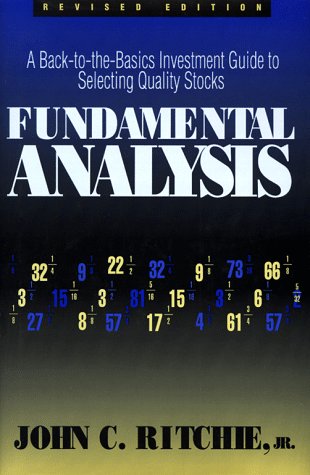
8.McGraw-Hill Education Fundamental Analysis
A used book on selecting quality stocks for investment portfolios
1. Wiley Fundamental Analysis For Dummies Book
Fundamental Analysis For Dummies is a book for readers who want to learn how to assess investments through fundamental analysis. Its place in the For Dummies Business & Personal Finance series makes it relevant to people building their financial knowledge, from beginners to readers reviewing the basics.
The title identifies fundamental analysis as the subject, but the listing provides no details about the methods, topics or examples the book covers. Readers should check the book’s contents before buying if they want to confirm it addresses a particular investing question.
At about 9 inches tall and 7.2 inches wide, the book has a familiar format for reading at a desk or carrying in a bag. Its listed weight is about 2.3 pounds, so it may feel substantial to hold for long reading sessions.
The listing does not specify the page count, publication date, author, format or whether the book includes exercises. Those details can matter if you are comparing editions or want a current guide with practice material.
This title suits readers exploring fundamental analysis who are comfortable checking the contents and edition details before purchase. It may also work for people who prefer a dedicated book to a short online overview, provided the material matches the topics they want to learn.
- Focuses on fundamental analysis for investors
- Part of the business and finance For Dummies series
- About 9 inches tall for readable page space
- Listing gives no details about topics or methods
2. Wiley Complete Guide to the Futures Market
For readers studying how fundamentals affect futures prices, this Wiley Trading book also covers technical analysis, trading systems, options, spreads and trading principles. Its broad subject range gives fundamental analysis readers a way to explore how that approach connects with other parts of the futures market.
The title puts fundamental analysis alongside technical analysis, so buyers can compare two ways of examining markets. It also includes trading systems, giving the book a wider scope than a fundamentals-only introduction.
Options and spreads add further topics for readers interested in futures strategies. Trading principles round out the subjects named in the title, making the book relevant to readers who want to study several areas in one volume.
At about 2.1 pounds, it is a substantial book to carry between home, school or work. Its roughly 9-inch height gives it a familiar book format for reading at a desk or keeping with other study materials.
The available details do not specify the book’s level, edition or depth of coverage, so readers may want to check those before buying. It suits people looking for a broad futures-market reference that includes fundamental analysis alongside related trading topics.
- Covers fundamental and technical analysis
- Includes options, spreads and trading systems
- Adds trading principles to futures topics
- No major cons
3. Majosta TraderLion Model Book Analysis Guide
Fundamental and technical analysis share the focus in the TraderLion Model Book, a book for readers exploring how to assess investments. Its title points to both approaches, so it may suit someone who wants to consider company fundamentals alongside market analysis.
For readers choosing among fundamental analysis books, the combined subject is the main point to weigh. The book’s title names fundamental and technical analysis, but the supplied product details do not describe its methods or topics, so buyers should check the book’s contents before deciding whether it matches their interests.
The listing gives no page count, edition, author information or description of the material. That leaves practical questions about its depth and intended experience unanswered, especially for readers comparing it with books that explain their structure and coverage.
The listed weight is about half a pound, which makes it a relatively light book to carry between home, work or study. It measures about 11 inches high, though the listing gives no information about the type of binding or how it handles.
At about 0.2 inches thick, it has a slim listed profile, but the product data does not clarify whether that reflects the book itself or its packaging. The title provides the clearest guide to its subject, while the available details offer little to judge its approach.
This book is best suited to buyers specifically seeking a title that combines fundamental and technical analysis and who can verify its contents before purchase. Readers who need detailed information about the book’s coverage may want to compare the listing with fuller descriptions.
- Covers both fundamental and technical analysis
- Light, about half a pound to carry
- No major cons
4. Wiley Futures: Fundamental Analysis Book
Readers studying futures markets get a focused subject from *Futures: Fundamental Analysis*, a Wiley Finance book. Its title points to fundamental analysis of futures, making it relevant to people who want a book centered on this area of financial research.
The available product details do not list the book’s topics, author, edition, or learning level. Buyers should check the contents and publication information before choosing it, especially if they need coverage of a particular market or a specific depth of instruction.
Its listed format measures about 10 inches tall, making it a substantial book rather than a pocket-sized reference. That size may suit a desk or bookshelf, while the listed weight of about 3 pounds is worth considering if you plan to carry it between home, work, or class.
Wiley’s Finance series name identifies the book’s collection, but the supplied information does not describe its approach or explain how much practical guidance it offers. The title alone indicates a futures focus, so readers seeking broader fundamental analysis across other investments may want to compare its scope with other books.
No extra features or contents appear in the listing data, so there is little detail here to judge its examples, charts, or suitability for beginners. It may suit readers specifically exploring fundamental analysis in futures, provided the full contents match their needs.
- Focuses on fundamental analysis of futures markets
- About 10 inches tall for desk-side reading
- Wiley Finance title for finance-focused readers
- Listing gives no details on topics or level
- About 3 pounds may be cumbersome to carry
5. Wiley Fundamental Analysis For Dummies 2nd Ed
In a study or home library, *Fundamental Analysis For Dummies, 2nd Edition* offers a book centered on fundamental analysis. Its title makes it a candidate for readers who want a book on that subject, though the product details do not describe its specific topics or teaching approach.
The listing identifies it as the second edition, but gives no information about what has changed from an earlier edition. Readers comparing books may want to check the contents or sample pages to see whether its coverage suits their needs.
At about 1.2 pounds, it is light enough to carry between home, class and a library. Its listed size is roughly 9.25 inches tall, making it a standard-format book rather than a pocket-sized reference.
The product information does not state the author, page count, publication date or included resources. Those details matter to readers choosing a study guide, so check the listing or book itself before buying if they are important to your decision.
Wiley is the listed brand, and the title places the book in the “For Dummies” series. It may suit readers looking for a book devoted to fundamental analysis, especially those who want to compare its contents before choosing a guide.
- Second edition offers an updated learning resource
- Focuses on fundamental analysis for focused study
- Compact size makes it easy to carry and read
- No major cons
6. Wiley Fundamental Analysis Books Set
Fundamental Analysis is the subject named in this Wiley book and study guide set, giving readers a book-based option for exploring the topic. The title identifies the material as both a book and a study guide, so it may suit readers who want to read and review related material together.
The set focuses on fundamental analysis, a subject for readers interested in assessing investments through underlying information. The title does not specify a particular market, investment type or level of experience, so buyers should check whether its coverage matches the questions they want to study.
Its study guide format offers a companion to the book rather than a book alone. Readers who prefer to work through a subject and then revisit it in a guide may find that paired format useful for organizing their learning.
The listed weight is about 3.7 pounds, which may matter if you plan to carry the set between home, class or work. The product listing gives no further details about the topics, exercises, authors or edition, so it offers little information for comparing its coverage with other fundamental analysis books.
The set measures about 9 inches tall, making it a compact-format book set for a desk or shelf. This Wiley title may suit readers looking for a book and study guide together, especially if the general subject fits their learning goals.
- Book and study guide come as a set
- Focuses on fundamental analysis for investors
- About 9 inches tall for compact shelving
- About 3.7 pounds may feel heavy to carry
7. Guides to Stock Fundamental Analysis Book
The title presents this as a guide to stock fundamental analysis, aimed at readers who want to study how companies and their financial information can inform investment decisions. The listing specifies a large-print format, which makes the text easier to read for buyers who prefer larger type.
Large print is the clearest practical detail available, but the listing does not describe the book’s topics or teaching approach. Buyers will need to check other information before deciding whether it covers the level of analysis they want, such as introductory concepts or more advanced methods.
The listed size is about 9 inches tall and 6 inches wide, with a slim profile of about a quarter inch. That compact format may suit a bookshelf or reading bag, though the listing does not give a page count or binding type.
No author, publication date or edition appears in the supplied details, so readers cannot assess the writer’s background or how current the material is from this listing alone. The title is broad, and no specific methods or examples are identified.
For shoppers comparing fundamental analysis books, the large-print format is the main confirmed point of difference. This guide may suit readers who want stock analysis material in larger type, especially if they verify the book’s contents and publication details before buying.
- Large print makes the text easier to read
- Compact 9-inch height suits shelves and bags
- Slim about quarter-inch profile is easy to store
- Listing gives no details about topics or methods
8. McGraw-Hill Education Fundamental Analysis
With a back-to-basics approach and a focus on selecting quality stocks, this book is aimed at readers learning fundamental analysis. Its title points to a guide for evaluating stocks, making it a candidate for beginners who want an introduction to the subject.
The book’s emphasis on fundamentals gives readers a starting point for considering what makes a company’s shares worth examining. Its scope, as described by the title, centers on stock selection rather than investing topics in general.
The listing identifies this copy as used and in good condition. That may suit readers who care more about getting a copy of the book than buying a new edition.
At about 1.6 pounds, it is a substantial physical book but remains manageable to carry between home, school or work. Its 9.5-inch height also gives it a standard book format for reading at a desk or keeping on a shelf.
The listing provides no details about the book’s specific chapters or methods, so buyers who want a particular technique may want to check the contents before choosing it. As our final pick, it suits new investors seeking a fundamentals-focused starting point.
- Focuses on selecting quality stocks for investors
- Back-to-basics approach may suit new readers
- Used copy is listed in good condition
- Listing gives no details about chapters or methods
How to Choose the Best Fundamental Analysis Books
Choosing a fundamental analysis book is about matching its market, depth and teaching style to your goals, not choosing the longest or newest title. Your experience, preferred format, need for exercises and budget all affect which guide will be useful.
| If You Need | Look For | Expect |
|---|---|---|
| A first introduction | Plain language and defined terms | Less technical depth |
| Stock-picking guidance | Company accounts and valuation | More focus on equities |
| Futures knowledge | Supply, demand and contract examples | Narrower market coverage |
| Practice as you read | Questions, exercises or study materials | More time and effort |
| Both analysis methods | Fundamental and technical coverage | Less room for each topic |
| Easier-to-read pages | Large print and clear layout | Larger pages or fewer topics |
Market Focus
Start with the market you plan to study, because business analysis for stocks differs from research on futures. Stock-focused books often explain company reports, earnings, debt and valuation; futures guides tend to cover supply, demand and market-specific forces.
If you invest in shares, look for examples involving public companies and financial statements. A futures trader should prioritize contract markets and the factors that move prices, rather than broad company valuation advice.
Some books cover more than one market or analysis style, which offers a wider overview but less space for each subject. Choose breadth when you are exploring; choose a focused guide when you need depth in a specific area.
Starting Experience
A beginner benefits from a book that defines terms before using them and builds ideas step by step. Look for explanations of revenue, profit, cash flow and valuation, with examples that connect each idea to an investment decision.
If you already read financial statements, a basic introduction may repeat familiar material and leave advanced questions unanswered. Look for deeper discussion of accounting quality, business risks or valuation methods when you have that foundation.
Descriptions such as “beginner-friendly” are not enough on their own. Review the contents or sample pages for plain explanations, a sensible chapter order and examples that show how concepts fit together.
Topic Coverage
A useful guide should cover the topics you need, not simply list many investing terms. For stock analysis, look for financial statements, business quality, competitive position, valuation and risks; these help you assess both a company and its price.
Futures analysis calls for a different set of tools, including supply-and-demand drivers and market-specific economic factors. Broader trading topics, such as options or spreads, help if you want a wider futures reference, but they are not essential for learning fundamentals.
A combined fundamental and technical approach suits readers who want to understand both business or market conditions and price behavior. If your goal is strictly fundamental analysis, extensive coverage of chart methods may take space from the material you want.
Practical Examples
Examples turn abstract ideas into steps you can follow when studying an investment. Look for worked explanations using company reports, industry data or market conditions, so you see how evidence supports a conclusion.
Examples should also show limits, not just a successful-looking calculation. A valuation estimate depends on assumptions about future earnings and risk, so prefer material that explains uncertainty and competing interpretations.
For your own learning, use examples as practice rather than ready-made answers. Older examples still teach methods, but figures and market conditions change; pair them with current filings or data when applying the lessons.
Teaching Style
The writing style affects whether you keep reading and understand unfamiliar ideas. A conversational guide with short explanations often suits new investors, while a more detailed reference may suit readers who want fuller discussion and terminology.
Look for a clear structure, headings that make topics easy to find, and definitions near the first use of technical terms. Dense prose or unexplained shorthand can slow beginners, even when the subject coverage is broad.
A simple style does not automatically mean shallow content, and a formal style does not guarantee rigor. Use sample pages or a table of contents to judge whether the explanation level fits your knowledge and patience.
Edition and Currency
An edition number helps identify a version, but it does not prove that every example or rule is current. Check the publication date and contents, especially when a book discusses accounting standards, tax rules or market structures.
Core ideas such as cash flow and valuation remain useful, while company data and regulations change. Treat older examples as teaching material, then confirm current facts from up-to-date company filings and reliable sources.
A newer edition is worth considering when it adds clearer explanations or updated material you need. If the subject is timeless and the older edition is substantially cheaper, its age may be a reasonable trade-off.
Exercises and Reference Use
Exercises or a separate study guide provide structure for readers who learn by applying ideas. They suit anyone who wants to test understanding after each chapter, but they add time beyond simply reading the main text.
For self-study, see whether questions include answers or explanations; without feedback, it can be hard to spot a mistaken interpretation. A book without exercises may still work well if you prefer annotating examples or doing your own research.
Think about how you will use the book after finishing it. A reference with a clear index and organized chapters is easier to revisit than a narrative guide, while a workbook is more useful during a planned course of study.
Format and Handling
A physical book’s size and weight affect where and how comfortably you read it. A heavier volume is less convenient for commuting, while a larger page may help readers who prefer spacious text or need larger print.
If you study at a desk, weight may be less important than page layout and easy reference. For travel or frequent reading away from home, compare listed dimensions and consider whether a thinner or lighter format fits your routine.
Large print can improve readability, but it may not include as many topics in a compact volume. Confirm the print format and page details before buying, since listings do not always describe layout clearly.
Price and Value
Lower-priced books often provide a focused introduction or a shorter route into one subject. They suit readers testing their interest, though narrow coverage may require another resource for valuation, financial statements or futures-specific material.
A higher price may reflect extra study materials, broader coverage or a substantial reference format, but those additions only earn their cost if you will use them. Compare the contents and included materials, not price alone.
For a first purchase, prioritize a close match to your goals over a large amount of content. Paying more is sensible when the added depth, exercises or reference value directly support your learning plan.
Condition and Access
For used copies, inspect the seller’s condition description and look for notes about writing, highlighting, missing pages or damage. Marked pages may interrupt study, while a complete copy with ordinary wear can still serve well.
Confirm whether any advertised companion material is physically included or requires separate access. Used books may not come with codes, online resources or supplements, so their absence could reduce the value of a study set.
Also confirm the format and edition before ordering, especially when listings combine details from different versions. Clear seller information helps you avoid receiving a copy that is difficult to read or lacks the materials you expected.
Frequently Asked Questions
Do these fundamental analysis books require batteries or another power source?
No. These are print books, so you can read them without a power source.
What materials and build should I expect?
The products are books, but the details provided do not specify their binding, cover type, or paper materials.
What comes with the Wiley Fundamental Analysis Books Set?
It pairs a fundamental analysis book with a study guide. The details do not identify the specific titles in the set.
Should I choose Wiley Fundamental Analysis For Dummies or the 2nd Edition?
Both introduce fundamental analysis to new investors, while the 2nd Edition is described as offering updated guidance. Compare the editions’ contents to decide which best fits your learning needs.
Which book covers futures analysis and trading topics?
Wiley Complete Guide to the Futures Market covers analysis, trading systems, options, and spreads. Wiley Futures: Fundamental Analysis focuses on using fundamental analysis to understand futures.
Which book combines fundamental and technical analysis?
The Majosta TraderLion Model Book Analysis Guide combines both approaches through the TraderLion model.
Which books can help with stock selection and investing basics?
Guides to Stock Fundamental Analysis offers stock analysis guides for learning investing basics, while McGraw-Hill Education Fundamental Analysis focuses on selecting quality stocks for investment portfolios.
So, What Should You Buy?
For most readers, Wiley’s Fundamental Analysis For Dummies is the clearest starting point, while the updated second edition suits new investors seeking refreshed guidance. On a budget, consider the used McGraw-Hill Education Fundamental Analysis; for structured study, choose Wiley’s book-and-study-guide set.
Futures-focused readers can pick Wiley’s Futures: Fundamental Analysis or its Complete Guide to the Futures Market for broader coverage. Choose TraderLion for a combined technical and fundamental approach, or Guides to Stock Fundamental Analysis for investing basics. Match the book to your goals and start learning with confidence.