

A vegetable garden can turn everyday meals into chances to enjoy fresh, homegrown produce and learn a little about nature. Without a reliable guide, though, it’s easy to misjudge planting times, crowd crops, or feel unsure what to do when growth stalls. Online tips may be brief or conflict, while guesswork lacks a clear plan.
For steady guidance, a vegetable gardening book brings useful advice together in one place. It can explain when to sow, how much space plants need, and how to care for crops through the season, helping you plan your beds and tackle common growing questions.
Many books include planting calendars, crop-by-crop instructions, and tips for containers or small plots. Illustrations help you identify tasks, while guidance on soil, watering, and harvesting supports healthier plants and more satisfying meals.
Books vary in experience level, garden size, and growing style, so consider what suits your space and goals. Explore the best gardening books vegetables below to find practical guidance for your garden.
8 Best Gardening Books Vegetables Reviews

1.The Old Farmer's Almanac Vegetable Handbook
Step-by-step advice helps you grow over 30 vegetables in any zone

2.Workman Week-by-Week Vegetable Gardener's
Week-by-week timing helps plan garden tasks for a bountiful harvest
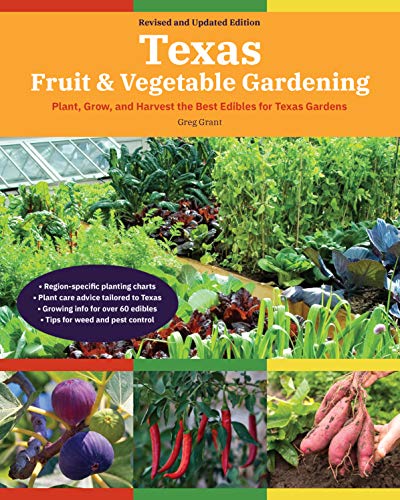
3.Cool Springs Press Texas Fruit & Vegetable
Plant, grow and harvest edible crops suited to gardens across Texas
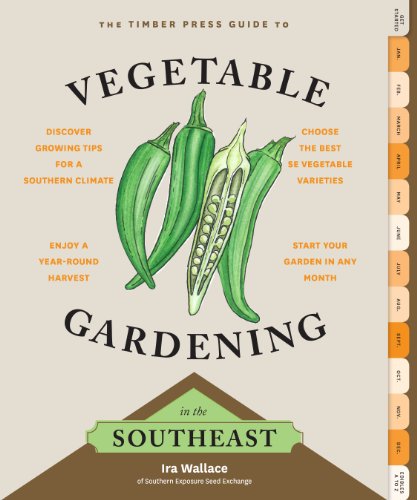
4.Workman Timber Press Guide to Vegetable
Regional guidance helps you plan vegetable gardens for the Southeast

5.Workman The Vegetable Gardener's Bible
Ed's W-O-R-D system uses wide rows, organic methods and raised beds

6.Storey The Year-Round Vegetable Gardener
Grow and harvest fresh produce through every season, even in winter

7.Sasquatch Books Grow Cook Eat
Learn how to grow 50 vegetables, herbs and fruits to enjoy at home

8.The Year-Round Vegetable Garden for Beginners
No-dig guidance helps grow an organic harvest for your family
1. The Old Farmer’s Almanac Vegetable Handbook
The Old Farmer’s Almanac Vegetable Gardener’s Handbook helps readers plan and grow more than 30 vegetables, with advice for gardens in any zone. Its step-by-step guidance covers the work from soil preparation and seed starting through growing and harvesting.
Soil testing gets its own attention, including why it matters and how to do it. The book also explains in-ground gardening and alternatives to traditional raised beds, giving readers several approaches to consider for their available space.
Seed-starting and seed-saving methods appear in simplified form, useful for gardeners who want to raise plants from seed or keep seeds for later. Advice about which plants help or hinder vegetables can also guide choices about what to grow near one another.
More than 150 full-color photos accompany the instructions, while reference tables and charts offer information to consult during garden planning. The illustrated format gives readers visual material alongside the written advice.
Anecdotes from fellow gardeners add humor and practical perspective, and the book includes space to record observations and experiences. Those notes can help readers keep track of what they tried and what they noticed in their own gardens.
At about 1.2 pounds, this 6.75-by-8.75-inch handbook is a compact reference to keep nearby while planning or tending a garden. It suits beginners seeking guidance across many vegetables, as well as experienced growers who want a handy place to consult advice and record observations.
- Covers more than 30 vegetables in any zone
- Explains soil testing and how to do it
- Includes 150+ full-color photos and reference charts
- Offers seed-starting and seed-saving guidance
- Space to record garden notes and observations
- No major cons
2. Workman Week-by-Week Vegetable Gardener’s
For planning a vegetable garden through the growing season, the Week-by-Week Vegetable Gardener’s Handbook offers a schedule-focused guide. Its title points to the book’s main approach: organizing vegetable gardening advice week by week.
That format can help gardeners think about tasks in sequence rather than trying to plan the whole season at once. Readers can use the handbook as a reference while deciding when to work on their vegetable garden.
The book comes from Storey Publishing and is written in English. Its focus on timing makes it relevant to readers who want a gardening book centered on season-by-season planning.
At about 2.3 pounds, it is a substantial book to carry around the garden, though it can also stay on a shelf or work surface for reference. The listed measurements put it at about 9 inches tall and 7.75 inches deep.
This is a good fit for vegetable gardeners who prefer a week-by-week guide and want a book focused on timing their gardening work. The listing does not provide details about specific crops, illustrations, or the number of pages, so buyers looking for those features may want more information.
- Week-by-week format helps plan garden tasks
- Focuses specifically on vegetable gardening
- Storey Publishing title for gardening readers
- Listing gives few details about its contents
3. Cool Springs Press Texas Fruit & Vegetable
The second edition offers Texas-specific guidance for growing vegetables and fruit, with advice aimed at planting, raising and harvesting edible crops in the state. It gives gardeners a focused reference for planning a productive Texas garden.
Its scope covers both fruits and vegetables, so readers can consult one book for two major kinds of edible plants. The title also centers the growing process from planting through harvest, making it relevant to gardeners who want guidance across a crop’s full season.
Because the book focuses on Texas gardens, it suits readers looking for regional rather than general gardening guidance. That focus can help keep its advice relevant to local growing decisions, though the supplied details do not list specific crops or techniques.
The second edition may appeal to gardeners who want an updated edition of a Texas-focused reference. The book weighs about 2.3 pounds and measures about 10 inches tall, making it a substantial print reference for a shelf or garden-planning space.
This gardening book is best suited to Texas readers who want a dedicated guide to growing edible plants. Buyers seeking detailed information on particular vegetables, fruit varieties or growing methods should check the book’s contents before choosing it.
- Covers both fruit and vegetable gardening
- Focuses its guidance on Texas gardens
- Follows crops from planting through harvest
- No details on specific crops or techniques
4. Workman Timber Press Guide to Vegetable
Southeastern gardeners looking for a vegetable-growing guide get a book focused on their region. The Timber Press Guide to Vegetable Gardening in the Southeast belongs to the Regional Vegetable Gardening Series, making its location-specific subject the main reason to consider it.
The title identifies the book’s focus as vegetable gardening in the Southeast, rather than gardening advice for every region. That regional scope may help readers choose a guide centered on the part of the country where they garden.
Workman Publishing publishes this English-language book. Its 9-inch-tall format gives it room for a practical guide, while the paperback-sized profile can sit on a shelf or gardening table.
At about 1.2 pounds, it is light enough to carry around the home or take along to a garden. The listing does not give details about its chapters, plant coverage, or specific growing instructions, so buyers should check the contents if they need advice on a particular crop.
This book suits vegetable gardeners in the Southeast who want a regional title to explore. Its appeal rests on that focused subject and the promise of guidance tailored to the region, rather than on details about particular techniques or crops in the listing.
- Focuses on vegetable gardening in the Southeast
- Part of a regional vegetable gardening series
- 9-inch height offers a handy reference format
- No major cons
5. Workman The Vegetable Gardener’s Bible
The Vegetable Gardener’s Bible is sized for a shelf or worktable where you plan and reference vegetable beds. Its title highlights Ed’s W-O-R-D system: wide rows, organic methods, raised beds and deep soil.
The book covers gardening across all North American regions, giving readers a broad geographic scope to consider. Its focus on vegetable growing and named methods makes the subject clear before you open it.
Wide rows and raised beds are two of the approaches featured in the title. They give readers specific bed styles to explore as they plan a vegetable garden, rather than leaving the book’s focus general.
Organic methods and deep soil round out the W-O-R-D approach. These topics give the book a defined set of growing ideas for readers comparing vegetable gardening guides, though the listing does not describe the methods in detail.
This second edition comes in paperback and uses illustrated formatting. The illustrations offer a visual element alongside the text, while the paperback format makes it a straightforward book to keep near gardening notes and plans.
Published by Storey Publishing, the book is in English and weighs about 2.8 pounds. It suits readers looking for an illustrated vegetable gardening guide built around named growing methods and intended for North American gardening regions.
- Covers vegetable gardening across North America
- Focuses on four named growing methods
- Illustrated paperback offers visual reference
- Listing gives little detail about the methods
6. Storey The Year-Round Vegetable Gardener
Year-round harvests are the goal of The Year-Round Vegetable Gardener, a book about growing vegetables through every season, including winter. Its advice applies wherever you garden, so you can plan for fresh produce beyond the usual growing months.
The book explains how to schedule planting and harvesting throughout the year. That planning guidance can help you decide what to grow and when, rather than relying on a single spring planting.
Cold-season gardening gets specific attention, including information about the equipment you need. Those details help readers prepare for winter growing and choose supplies suited to their gardens.
Step-by-step photo instructions show how to build a cold frame, a useful project for gardeners exploring ways to grow in colder conditions. The pictures accompany the directions, giving readers a visual reference as they work through the steps.
Color photographs appear throughout this 247-page book, adding visual support to its gardening guidance. Jabbour’s book measures about 8.5 by 11 inches and weighs about 2.3 pounds, so it is a substantial reference to keep nearby while planning or gardening.
For vegetable gardeners who want guidance on planting, harvesting and cold-season equipment, this book offers advice for all 365 days of the year. It suits readers ready to extend their growing plans into winter, wherever they live.
- Covers planting and harvesting all year
- Includes cold-season equipment guidance
- Photo steps explain building a cold frame
- Color photos support the gardening advice
- No major cons
7. Sasquatch Books Grow Cook Eat
Sasquatch Books presents Grow Cook Eat as a guide for readers who want to grow vegetables, herbs and fruits. Its coverage of 50 types of edible plants gives gardeners a range of options to explore, from vegetables to herbs and fruit.
The book focuses on how to grow those 50 plants, so it can help readers look up growing guidance for different choices. That breadth also gives someone planning a garden more crops to consider before deciding what to plant.
For vegetable gardeners, the guide’s mix of vegetables, herbs and fruits can help broaden a planting plan beyond one kind of crop. Readers can use its plant-by-plant scope to choose what fits their interests and build a varied garden.
Its subject makes it relevant to food lovers who want to connect gardening with what they grow to eat. The title signals a practical growing focus, though the listing does not provide details about specific techniques or individual plant entries.
At about 2 pounds, the book is light enough to carry between a reading spot and a place where you plan your garden. It measures about 7.4 inches tall, with a multicolor cover.
The listing does not state a growing zone, experience level or format details, so buyers seeking those specifics may want more information. Still, its 50-plant scope suits readers looking for a vegetable gardening book that also covers herbs and fruits.
- Covers 50 vegetables, herbs, and fruits
- Includes guidance on growing edible plants
- Covers vegetables alongside herbs and fruits
- About 2 pounds for easy carrying
- Listing gives no details on growing zones
8. The Year-Round Vegetable Garden for Beginners
With a no-dig approach and guidance on raised beds, this book helps beginners plan a vegetable garden around methods for growing food throughout the year. Its title also covers organic harvests, companion planting and pest control.
The no-dig focus gives new gardeners a starting point that does not depend on turning the soil. The raised-bed guidance adds another option for organizing a growing space, while companion planting and pest control address common parts of caring for vegetables.
Year-round growing is the book’s central aim, with fresh food for the family as the intended outcome. Its coverage brings together garden setup, plant combinations and pest management, so readers can explore several practical topics in one guide.
The book weighs about 0.9 pounds and measures 10 inches tall. That makes its physical size easy to compare with other gardening books, though the listing gives no page count or details about illustrations.
This is our last pick for readers who want beginner-focused guidance on no-dig vegetable gardening, raised beds and related growing topics. It may suit people planning a home food garden who want to explore ways to grow vegetables across the year.
- No-dig approach helps simplify bed preparation
- Covers raised beds, planting, and pest control
- Focuses on year-round organic food growing
- No major cons
How to Choose the Best Gardening Books Vegetables
The right vegetable gardening book should fit your climate, growing space, experience, and goals, because advice for a warm region or a large plot may not suit a beginner with a few containers. Use these factors to find guidance you can follow throughout the season.
| If You Need | Look For | Expect |
|---|---|---|
| Local planting advice | Climate and regional guidance | Narrower geographic relevance |
| A clear starting point | Beginner steps and plain language | Less advanced detail |
| A seasonal schedule | Month-by-month or weekly plans | Less flexibility for unusual weather |
| Small-space growing | Raised-bed or container advice | Fewer large-plot techniques |
| Longer harvests | Succession and season-extension tips | More planning and equipment |
| Specific crop help | Broad vegetable coverage | Less depth per crop |
| Quick answers outdoors | Charts, photos, and sturdy layout | More bulk or cost |
Climate And Region
Your local climate shapes when seeds should be started, when crops can go outside, and which varieties handle heat or cold. Look for guidance tied to your region, hardiness zone, or local planting calendar, rather than relying on generic dates.
Hardiness zones describe typical winter lows, but they do not capture every local condition. Coastal weather, elevation, frost pockets, and summer humidity affect planting decisions, so treat broad regional advice as a starting point.
If a book covers your state or nearby climate, its seasonal examples may feel more useful than a nationwide overview. For an unusual microclimate, favor adaptable guidance that explains how to adjust dates using frost and weather cues.
Your Experience Level
A first-time gardener usually needs plain explanations of soil preparation, sowing depth, watering, thinning, and harvest timing. Look for a book that introduces these tasks in order and defines unfamiliar terms before relying on them.
Experienced growers may prefer crop-specific detail, methods for improving yields, or advice on saving seed and managing successive plantings. A beginner-focused guide might still help with planning, but it may repeat basics you already know.
Consider how much instruction you want at each step. Clear diagrams and short task lists suit readers who learn by doing, while fuller explanations help those who want to understand why a technique works.
Growing Space And Method
The advice should match your available space, whether you garden in open ground, raised beds, containers, or a small plot. Look for examples that address your setup instead of assuming every reader has a large, sunny garden.
Raised beds can make soil easier to manage, but they require materials, filling soil, and regular watering. In-ground methods use existing space and soil, though poor drainage or compacted ground may call for extra preparation.
No-dig gardening avoids routine turning of the soil, which suits gardeners seeking a simpler approach. It still depends on suitable materials and careful bed preparation, so look for practical steps rather than a method name alone.
Seasonal Planning
A weekly or month-by-month schedule helps you break garden work into manageable tasks. Look for planting, maintenance, and harvesting guidance that follows your growing season, rather than a calendar that assumes the same dates everywhere.
Schedules are most useful when they explain how to shift tasks for local frost dates or changing weather. Fixed dates may be easy to follow, but they can lead to missed planting windows in a different climate.
For a longer harvest, seek advice on succession planting, which means sowing small batches at intervals. This approach spreads crops over time, but it requires more planning than planting everything at once.
Crop Coverage
The number and range of plants covered help you judge whether a book fits your shopping list. Look for the vegetables you plan to grow, plus useful guidance on herbs or fruit if those are part of your garden.
A broad crop list gives you more choices, though each plant may receive less space for detailed troubleshooting. A focused guide may explain fewer crops more fully, which suits readers who want to master a smaller selection.
Look for crop profiles that cover sowing, spacing, care, common problems, and harvest timing. A list of plant names alone offers little help when you need to decide what to do next.
Soil And Plant Health
Soil guidance helps you understand whether a garden bed needs amendments, improved drainage, or a different growing approach. Look for advice on testing soil and interpreting results, rather than instructions to add materials without a reason.
Pest and disease advice is useful when it explains how to identify a problem and choose a response. Prevention steps, such as spacing plants for airflow, help reduce trouble before it threatens a harvest.
Companion planting describes growing certain plants near one another for practical garden goals. Treat claims carefully: look for clear explanations and avoid relying on plant pairings as a replacement for sound spacing, soil care, and pest monitoring.
Harvest Goals And Special Interests
Some gardeners want a steady supply of fresh vegetables, while others focus on preserving, cooking, or growing through winter. Choose a book whose advice connects planting decisions to the harvest you hope to use.
Year-round gardening requires more than a planting calendar, especially in cold climates. Look for guidance on season extension, protective equipment, and cold frames, which are simple covered structures that shelter crops from cold.
Food-focused advice may include herbs, fruit, or ways to use crops after harvest. That wider scope suits readers who plan meals around their garden, while growers seeking technical vegetable detail may prefer a narrower focus.
Layout And Reference Features
Photos and diagrams help you recognize plant stages, bed layouts, and garden structures. Look for images that explain a task or identify a problem, since decorative pictures alone are less useful outdoors.
Tables and charts make dates, spacing, or crop details quicker to find during garden work. A compact reference layout suits readers who want brief reminders, while fuller chapters work better for learning a method from scratch.
Think about where you will read the book and how often you will carry it outside. Page size, binding, and weight affect ease of use, especially when you want to consult instructions beside a bed.
Price And Value
Price often reflects how much detail, photography, and reference material a book includes, but a higher cost does not guarantee a better fit. Compare the coverage and format with the tasks you actually need help doing.
A lower-priced guide may be enough if you want basic planting advice or help with a few crops. Paying more is worthwhile when regional guidance, detailed schedules, or substantial visual instruction will be used often.
Edition And Language
An updated edition may revise planting advice, add material, or improve the layout, but edition number alone does not show what changed. Read the contents and publication details to see whether the guidance suits your needs.
Confirm the language and terminology before buying, especially if you plan to share the book with another gardener. Familiar wording and clear instructions help you follow advice accurately when planting dates or care steps are time-sensitive.
Frequently Asked Questions
Which book is best for a first-time vegetable gardener?
The Year-Round Vegetable Garden for Beginners offers no-dig guidance for growing an organic harvest. The Old Farmer’s Almanac Vegetable Handbook is another option, with step-by-step advice for growing more than 30 vegetables in any zone.
Do any of these books focus on a specific region?
Yes. Cool Springs Press Texas Fruit & Vegetable covers edible crops suited to Texas gardens, while Workman Timber Press Guide to Vegetable provides regional guidance for the Southeast.
Which book should I choose for planning garden tasks?
Workman Week-by-Week Vegetable Gardener’s lays out timing for garden tasks week by week. For guidance organized around the seasons, consider Storey The Year-Round Vegetable Gardener.
Should I pick The Vegetable Gardener’s Bible or Grow Cook Eat?
Choose The Vegetable Gardener’s Bible for its W-O-R-D system, which uses wide rows, organic methods and raised beds. Grow Cook Eat is a fit if you want to learn about growing 50 vegetables, herbs and fruits to enjoy at home.
Which book can help me grow vegetables through winter?
Storey The Year-Round Vegetable Gardener focuses on growing and harvesting fresh produce through every season, including winter.
What should I look for when choosing a vegetable gardening book?
Consider whether you want advice for your region, a week-by-week schedule, a particular gardening method or guidance for specific crops. These books cover different needs, from Texas and Southeast gardens to no-dig gardening and growing more than 30 vegetables in any zone.
So, What Should You Buy?
For most gardeners, The Old Farmer’s Almanac Vegetable Handbook is the best pick, with step-by-step advice for growing more than 30 vegetables in any zone. If you prefer a task-by-task schedule, choose Workman Week-by-Week Vegetable Gardener’s; Texas and Southeast gardeners can turn to the region-specific guides.
For year-round harvests, consider Storey The Year-Round Vegetable Gardener, while beginners seeking no-dig methods may prefer The Year-Round Vegetable Garden for Beginners. Choose the book that fits your garden, region, and growing style, and start planting with confidence.