

Stories about loyal friends bring laughter, comfort, and a sense of belonging to your reading routine. Standalone novels can offer memorable characters, but they often end just as you grow attached, leaving less room to follow friendships through new adventures and changing moments.
A continuing book series gives those bonds room to grow. You return to familiar characters in each installment, see how they handle disagreements and celebrate successes, and enjoy a story world that feels welcoming without needing to start from scratch.
Many series mix humor, heartfelt conversations, school or family life, and age-appropriate challenges, so you can find stories that suit different moods and reading levels. Recurring characters also help young readers build confidence as they follow each book’s events.
Series vary in reading age, length, tone, and setting, so your choice depends on what you or your reader enjoy most. Explore the best friends book series below to find a story worth returning to.
6 Best Friends Book Series Reviews

1.Mosaic Frog and Toad Are Friends Book
Frog and Toad share small everyday adventures through every season

2.Philomel Books The Day the Crayons Made
A story about crayons making friends and building new connections

3.Mosaic Friends for Frances: A Sweet Classic
Frances explores friendship and sisterhood in a classic tale for kids
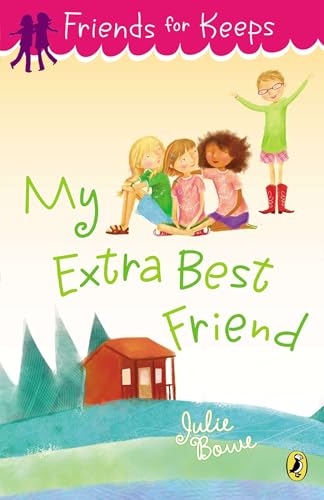
4.Puffin My Extra Friend Friends for Keeps
A story about keeping a friendship strong through life's many changes

5.Jimmy Patterson Middle School: Dog's Friend
A middle school story about a dog and the friendships he inspires

6.Simon & Schuster Battle of the Friends
Mermaid friends face a battle that puts their friendship to the test
1. Mosaic Frog and Toad Are Friends Book
Frog and Toad Are Friends tells stories about the everyday adventures of two friends. This illustrated early reader follows Frog and Toad through small moments across the seasons, making it a series entry for readers drawn to friendship stories.
Its focus on friendship gives young readers a simple way to spend time with the two characters. The book’s everyday adventures keep that focus on familiar experiences rather than a complicated plot.
The illustrated format adds pictures to the reading experience. At about 2.3 pounds, this copy is less convenient to carry than a lighter book, especially for young readers who want to bring it along.
The book measures about 9 inches tall and comes in a one-copy size. Those details may help readers plan where to store it or how it fits into a children’s book collection.
The listing identifies it as an early reader, so it may suit children building confidence with books. Its friendship theme also makes it a fit for families seeking stories centered on relationships.
Readers looking for illustrated stories about friendship and small adventures may enjoy this book. It suits children starting out with early readers, as well as families adding a seasonal friendship story to their collection.
- Friendship stories center on two close characters
- Everyday adventures span all four seasons
- Illustrations add visual interest for early readers
- About 2.3 pounds may be heavy for young readers
2. Philomel Books The Day the Crayons Made
For young readers exploring stories about friendship, The Day the Crayons Made Friends is a picture book from Philomel Books. Its title places it among books about making friends, making it a candidate for shared reading or a child’s bookshelf.
The picture-book format suits illustrated storytelling and lets readers follow the story through both words and pictures. The title also points to crayons and friendship as its central elements, though the listing does not provide further plot details.
At about 10 inches tall and 10 inches across, the book has a substantial square format for looking at its pages together. It weighs about 1.2 pounds, a practical detail for deciding whether it suits a child’s hands or a shared reading spot.
The listing gives no age range, page count, or details about the story’s characters, so buyers looking for those specifics will need more information. It is a straightforward option for readers seeking a picture book with friendship in its title.
For families choosing a book in a friends-themed roundup, this one suits children who enjoy picture books and adults looking for a story to share.
- Picture-book format suits shared reading
- Friendship theme appears in the title
- Square format gives pages room to view
- Listing provides little detail about the story
3. Mosaic Friends for Frances: A Sweet Classic
Ages 4 to 8 is the recommended range for Best Friends for Frances, a story about sisters in the Best Friends book series. Its I Can Read Level 2 label gives parents a guide to the reading level when choosing a book for a young reader.
The title presents Frances’s story as a sweet classic about sisters, making family relationships its central subject. That focus can give children and adults a shared starting point for talking about friendship and sibling relationships.
This edition comes in an illustrated format, so pictures accompany the text. Illustrations can help young readers follow the story as they read, while also giving adults details to point out during a read-aloud.
At about 9 inches tall, the book has a familiar picture-book shape that works for holding during reading together. Its listed weight is about 1 pound, a consideration for children carrying it or keeping it in a small bag.
The Amazon details do not list the number of pages, the illustration style, or further plot points, so buyers looking for those specifics may want to check the book itself. The available information identifies its age range, reading level and subject instead.
This edition suits families looking for an illustrated story about sisters for children ages 4 to 8, especially those using the I Can Read Level 2 label to choose a reading level.
- Ages 4 to 8 gives a clear age guide
- I Can Read Level 2 helps guide book choice
- Illustrated format pairs pictures with the story
- No major cons
4. Puffin My Extra Friend Friends for Keeps
Young readers who enjoy stories about friendship get another installment in the Friends for Keeps series with My Extra Best Friend. The book’s title puts friendship at the center, making it a natural option for children following the series or readers looking for a book about friends.
The Amazon listing describes this copy as used and in good condition. That gives buyers a useful note about its secondhand status, while the condition description offers a basic guide when deciding whether it suits a personal collection or a gift.
At about 7.7 inches tall, the book has a compact format that can fit on a child’s shelf or in a backpack. Its listed size is about 5.1 inches deep and 0.6 inches wide, so it takes up little shelf space.
The copy weighs about 0.4 pounds, which makes it light to carry between home, school and reading time away from home. Its multicolor listing may also help it stand out among books on a shelf, though the data does not specify a particular cover design.
The product information provides no page count, age range, plot summary or edition details, so buyers may want to check those points before choosing it for a particular reader. It suits children collecting the Friends for Keeps books and families seeking a lightweight used title centered on friendship.
- Lightweight at about 0.4 pounds to carry
- Compact format takes up little shelf space
- Listed in good condition as a used book
- No major cons
5. Jimmy Patterson Middle School: Dog’s Friend
On a bookshelf or in a school bag, *Middle School: Dog’s Best Friend* brings an illustrated format to the Best Friends Book Series. Its 5.5-inch depth and 8-inch height give readers a compact book to hold during reading time or carry between home and school.
The illustrated edition gives the story a visual format, so readers can enjoy pictures alongside the text. Its dimensions also make it easier to place on a shelf with other books or tuck into a bag for a trip.
At about 0.7 pounds, the book stays relatively light to carry. That weight can suit younger readers who want to bring a book along without adding much to their bag.
The listing identifies the title as *Middle School: Dog’s Best Friend* and names jimmy patterson as the brand. The available details do not describe the story, its characters, page count or reading level, so buyers may want to check those before choosing it for a particular reader.
Its illustrated format is the one confirmed content detail, while the listed measurements and weight help set expectations for handling and storage. This book suits readers looking for an illustrated entry in the Best Friends Book Series, especially those who value a portable format.
- Illustrated format adds visuals to the story
- Weighs about 0.7 pounds for easy carrying
- Compact 8-inch height fits many bookshelves
- No major cons
6. Simon & Schuster Battle of the Friends
Illustrated storytelling gives Battle of the Best Friends a place in the Mermaid Tales series for readers who enjoy books with pictures. Its illustrated format offers visual details alongside the story, which can make the pages more inviting for young readers.
The title puts friendship at the center, making it a natural choice for children drawn to stories about relationships between friends. As part of Mermaid Tales, it also gives readers a way to continue with a book from the same series.
The compact paperback-sized format measures about 7.6 inches tall, so it can fit on a child’s bookshelf or in a reading stack. Its slim profile also makes it easy to hold while reading or to pack with other books.
At about 0.2 pounds, the book is light enough for children to carry between rooms or take along in a bag. That low weight can make it comfortable to handle during a short reading session.
The listing provides no plot summary or age guidance, so buyers have little information here about the story’s specific events or intended reading level. The title and illustrated format are the only details available to guide a choice.
As the final pick in this roundup, Battle of the Best Friends suits readers looking for an illustrated Mermaid Tales book with friendship in its title. Families who need more detail about the plot may want to check the book’s contents before choosing it.
- Illustrated format adds visual details to reading
- Lightweight at about 0.2 pounds to carry
- Compact paperback-sized format fits small shelves
- No major cons
How to Choose the Best Friends Book Series
The right friendship book depends on a child’s age, reading confidence, and interests, as well as whether you want a standalone story or a continuing series. Format, length, condition, and price also shape how well a book fits your plans.
| If You Need | Look For | Expect |
|---|---|---|
| A new independent reader | Short chapters, simple vocabulary | Less complex plots |
| A read-aloud for younger children | Large illustrations, brief text | Adult help with reading |
| A story about sibling bonds | Family relationships, age guidance | More focus on home life |
| A series to follow | Series name, reading order | More books to collect |
| A portable book | Small dimensions, low weight | Smaller print or illustrations |
| A lower-cost copy | Used condition, seller notes | Possible wear or markings |
Reading Level And Age
Reading level should guide your choice more than a broad age label, because children the same age can have very different reading confidence. Look for a stated level, short sentences, familiar words, and manageable sections if the child reads alone.
Early readers usually use repeated language and simple story structures, while middle-grade books expect longer attention and stronger vocabulary. A child who is just starting may enjoy sharing a more advanced story with an adult rather than struggling through it independently.
Age recommendations help narrow the field, but they are not strict rules, because interests and reading skills vary. Consider whether the child prefers listening, reading aloud, or reading privately, then choose a level that feels inviting without removing all challenge.
Story And Friendship Theme
Friendship stories can center on everyday cooperation, sibling relationships, new companions, or disagreements between friends. Choose the central relationship that matches what the child enjoys, since a familiar theme often makes it easier to connect with the story.
Some books follow small daily adventures, while others build their plot around a problem or a change in a friendship. A gentle, episodic story suits short reading sessions; a stronger conflict may appeal to children who like seeing how characters work things out.
Consider the child’s response to animals, fantasy settings, school life, or family stories, because these details shape the reading experience. If a child is sensitive to arguments or exclusion, look for a description that makes the level of conflict clear.
Standalone Or Series
A standalone book gives you a complete story without asking for more purchases, which suits a first introduction or a one-time gift. A series offers familiar characters and a reason to return, but the child may want additional volumes afterward.
Before buying one series entry, look for its position in the sequence and whether the story works on its own. Earlier books may introduce characters and relationships, while later ones might assume the reader already knows the cast.
For a child who likes predictable characters, a continuing series can make the next reading choice easier. If you are unsure about their interest, start with a book that makes sense alone, then consider further titles if the child asks.
Format And Illustrations
Picture books usually combine larger artwork with brief text, so they work well for shared reading and younger listeners. Illustrated early readers or chapter books balance pictures with more text, helping children move toward longer independent sessions.
Look at the listed format and sample pages when available, because labels such as “illustrated” do not tell you how often pictures appear. Frequent illustrations help readers follow action, while fewer images leave more room for imagination and sustained reading.
A large page size can make artwork easier to see during a group read-aloud, but it takes more shelf space and is less convenient to carry. Smaller formats travel easily, though their text and pictures may feel more compact.
Length And Reading Time
Book length affects whether a child can finish a story in one sitting or prefers a few pages at a time. When page count is listed, use it alongside reading level, since short pages do not always mean simple reading.
For bedtime or shared sessions, a story divided into brief episodes gives you natural stopping points. Children who enjoy longer plots may prefer a book with chapters, while reluctant readers often benefit from shorter sections and a clear sense of progress.
Descriptions rarely state exact reading time, so avoid assuming that a slim book is automatically quick for every child. Vocabulary, page layout, and whether an adult reads aloud all influence how long the story takes.
Physical Size And Weight
Dimensions and weight matter when a book will travel in a backpack, visit a library, or be held by a younger child. A light, compact paperback is easier to carry, while a larger book often gives illustrations more space.
Compare listed height, width, and thickness with the child’s bag or bookshelf if fit is important. A narrow book takes little room, but its smaller pages may be less comfortable for shared reading or detailed artwork.
Weight listings are especially useful when choosing books for a trip or carrying several titles at once. If the book is mainly for home, sturdier or larger formats may be worth the extra bulk.
Edition And Reading Order
Different editions of the same title may vary in page layout, cover, or included material, so use the full title and format when ordering. Matching the edition to a child’s existing books also helps keep a collection consistent.
For series books, search the series name and title together, then confirm the intended order from a reliable listing or publisher information. A numbered sequence is helpful, but some stories are designed to be read independently.
If you are buying a gift, confirm whether the recipient already owns the title or another edition. A duplicate is less useful unless the copy is intended for a different place, such as school or travel.
Book Condition
A new copy is the clearest choice when you want clean pages and a gift-ready appearance, but a used copy often costs less. Used listings should describe writing, stains, torn pages, loose binding, or missing dust jackets.
“Good” condition can still include visible wear, so read the seller’s condition notes rather than relying on the label alone. For a child’s everyday reading, minor cover scuffs may be acceptable; damaged pages can interrupt the story.
When condition details are limited, consider whether the lower price justifies uncertainty. For a keepsake or special present, a new copy is usually the safer option; for a well-used reading copy, small cosmetic marks may not matter.
Price And Value
Lower-priced copies often involve used condition, smaller formats, or fewer extras, while higher prices may reflect a new edition or larger illustrated presentation. Compare the delivered cost, including shipping, rather than the listed price alone.
Paying more makes sense when clean condition, gift presentation, or a particular edition is important. For a child exploring a new series, a lower-cost copy can limit spending until you know whether they want more.
Series purchases can add up, so decide whether you want one trial book or several volumes. Check whether the child is likely to reread the story, since lasting interest can make a higher initial cost worthwhile.
Frequently Asked Questions
What kinds of friendship stories are included in this roundup?
The six books range from everyday adventures in *Frog and Toad Are Friends* to mermaid friends facing a challenge in *Battle of the Friends*. Other picks explore friendship through crayons, siblings, life changes, and middle school.
Which book is best for stories about friendship and sisterhood?
*Friends for Frances: A Sweet Classic* follows Frances as she explores both friendship and sisterhood.
Which two books should I choose: *Frog and Toad Are Friends* or *Friends for Frances*?
Choose *Frog and Toad Are Friends* for small everyday adventures shared across the seasons. Pick *Friends for Frances* for a classic tale centered on friendship and sisterhood.
Which book focuses on keeping a friendship strong through changes?
*My Extra Friend Friends for Keeps* is about keeping a friendship strong through life’s many changes.
Is there a book about making new friends?
*The Day the Crayons Made* tells a story about crayons making friends and building new connections.
Which books feature animals or imaginative characters?
*Frog and Toad Are Friends* features Frog and Toad, while *Middle School: Dog’s Friend* follows a dog and the friendships he inspires. *Battle of the Friends* features mermaid friends whose bond is put to the test.
So, What Should You Buy?
For most readers, *Frog and Toad Are Friends* is the best pick: its small, everyday adventures make friendship easy to enjoy in every season. For a classic take on friendship and sisterhood, choose *Friends for Frances*; for changing friendships, pick *My Extra Friend Friends for Keeps*.
Young readers who like school stories may prefer *Middle School: Dog’s Friend*, while mermaid fans can dive into *Battle of the Friends*. For a tale of new connections, choose *The Day the Crayons Made*. Pick the story that best fits your reader’s interests.