

Tradition credits Samuel; most scholars cite later editors using earlier sources.
The question who wrote the book of judges touches history, faith, and text. I have spent years studying this book with students and readers.
Here, I explain the evidence with care. You will see why scholars debate who wrote the book of judges, and how to read it well.
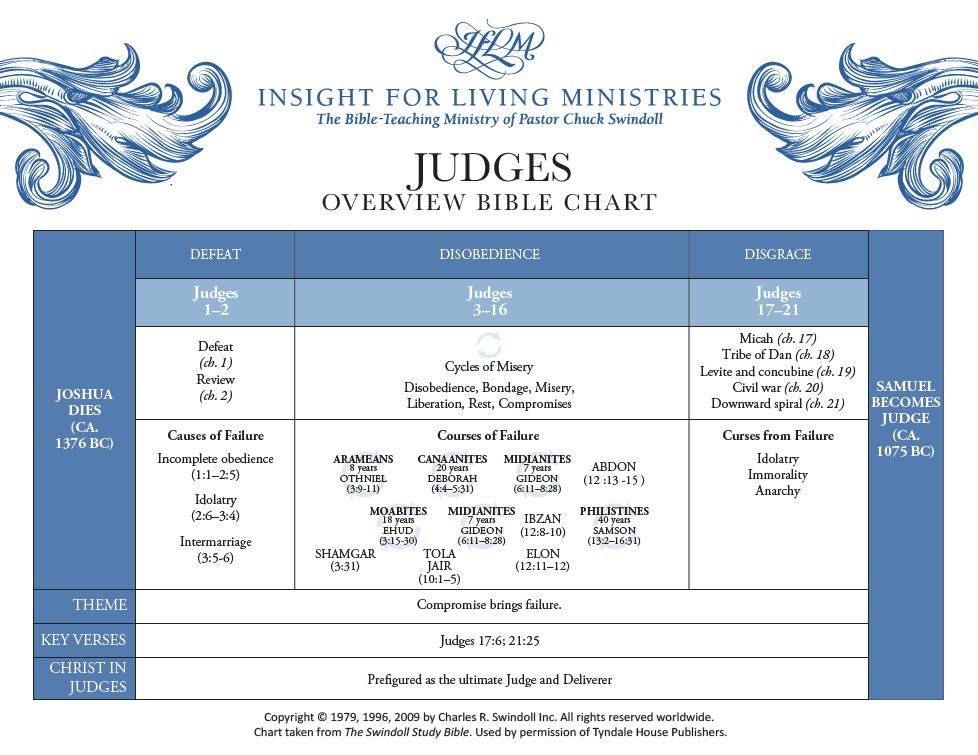
Why Authorship Matters for Judges?
Who wrote the book of judges is not a trivia question. It shapes how we read the heroes and the flaws. It also guides how we date the events and the message. The author’s aims help us see the point of each story.
Judges is a mirror of a nation in crisis. The book shows cycles of sin, sorrow, and rescue. Those cycles are not random. They are crafted to teach. So who wrote the book of judges affects how we weigh theme, pattern, and purpose.
When I teach this book, I ask three simple things. What did the author want the people to feel? What did the author want them to change? How did the author frame the past to speak to the present? Those questions help us search who wrote the book of judges with care.
Traditional Attribution: Samuel as Author
Ancient Jewish and early Christian tradition names Samuel. The idea is simple. Samuel lived close to the time of the events. He served as a judge and a prophet. He knew the land, the leaders, and the law.
Supporters point to a key refrain in the book. It says, In those days Israel had no king. That line hints that a writer in the time of kings wrote it. Samuel lived at the start of the monarchy. So, many say, he fit that time well. This view keeps a tight link between memory and record.
Still, not all agree. Some parts look later than Samuel. Some phrases fit a later age. That leads many to ask again who wrote the book of judges, and to look for an editor or group of editors.
Internal Clues from the Text
The book gives clues from inside the text. These clues help us test who wrote the book of judges.
Key clues include:
- The refrain about no king. It suggests a writer speaking after kings began.
- Place notes like to this day. They hint that some time passed since the events.
- A line about the captivity of the land. That line could point to a later edit during or after an exile.
There are also early details. Names, places, and customs fit the early Iron Age. That means old sources likely stand behind the book. So, a fair view is this. Who wrote the book of judges may be one editor who used many older stories.

The Deuteronomistic History Theory
Many scholars place Judges in a larger set. They call it the Deuteronomistic History. It runs from Deuteronomy through Kings. In this view, one school of writers shaped these books. They used laws from Deuteronomy as a guide. They wrote during the late monarchy and the exile.
This view explains the strong themes. Obey and live. Rebel and fall. God sends a judge. The land rests. Then the cycle starts again. These themes match the style seen in Joshua, Samuel, and Kings.
If this is right, who wrote the book of judges was not one pen. It was a team over time. They wove old songs, lists, and tales into one clear story. They wrote to teach a nation why it fell and how to return.

Dating the Book of Judges
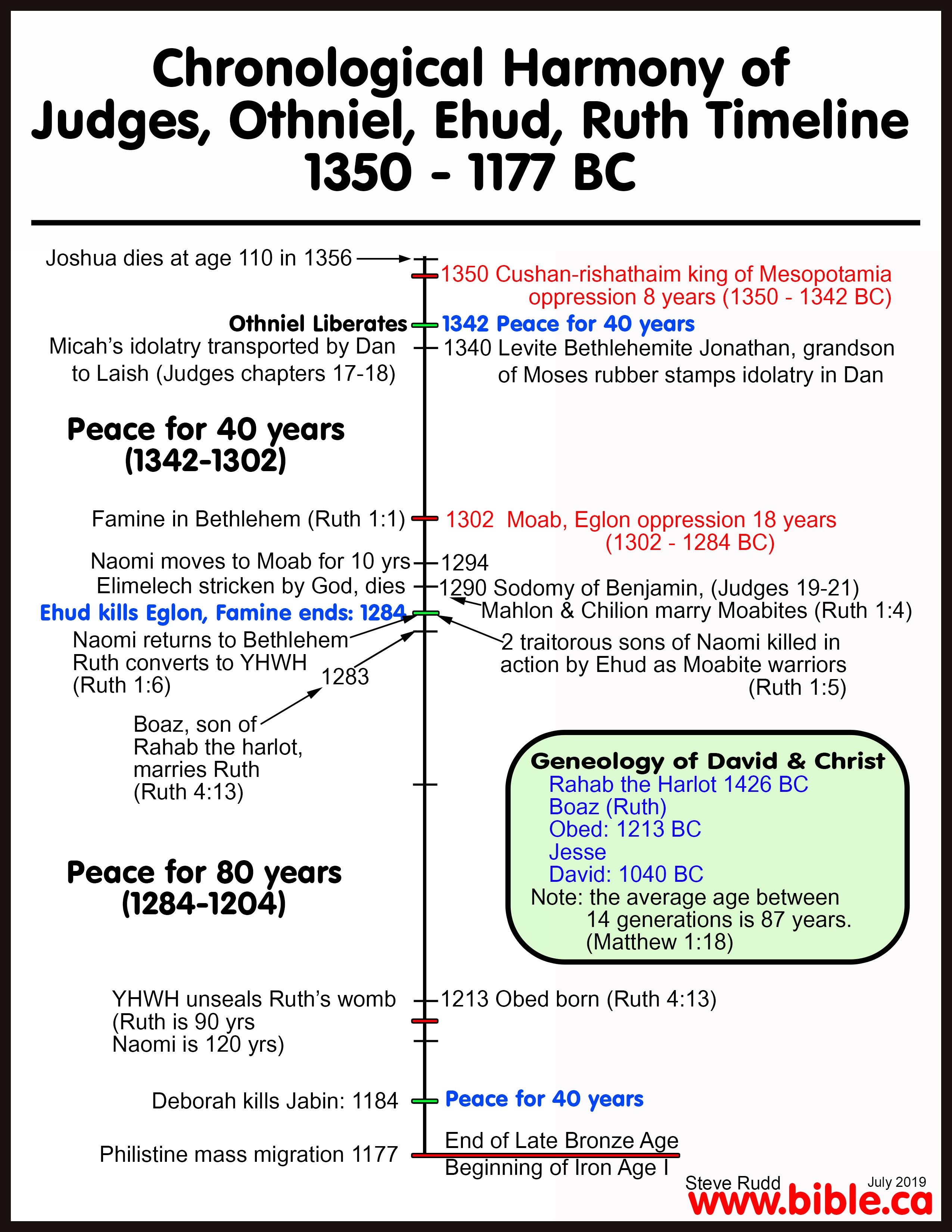
There are two levels to date. The events and the final shape. The events sit between the late 13th and early 11th centuries BCE. The final shape looks later.
Clues point to a time when kings already ruled. Some notes may even reflect a time after a national crisis. Many place the final edit in the 7th or 6th century BCE. That timing fits the broader theory above.
So who wrote the book of judges may span centuries. Early storytellers first. Then scribes and teachers. Then a final editor who tied it all together.
Literary Style, Themes, and Structure
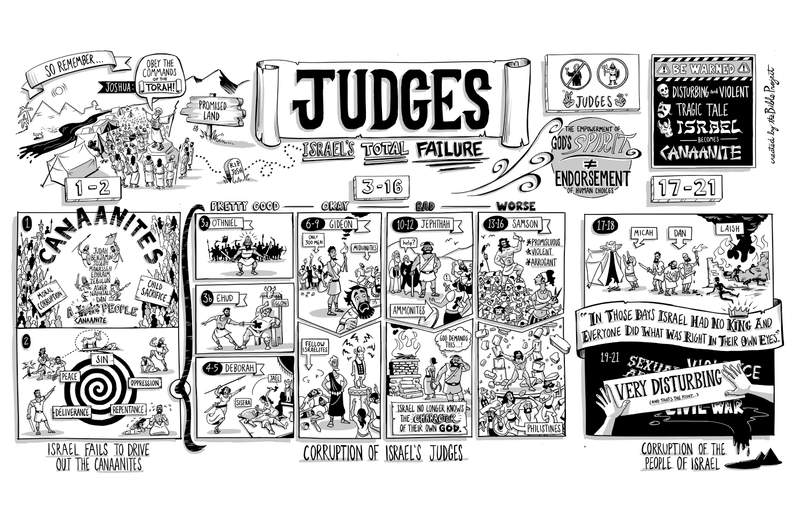
The style of Judges supports a layered origin. The book blends prose and poetry. We have songs like the Song of Deborah. We have lists of towns, tribes, and foes. We have vivid, often raw, scenes that feel very old.
Themes repeat with careful shape:
- Israel turns from God.
- Enemies press in.
- The people cry out.
- God raises a judge.
- There is rescue and rest.
- The cycle repeats, often worse.
This pattern feels curated. It reads like a lesson plan drawn from many files. That pattern helps answer who wrote the book of judges. It points to a wise editor using older parts to drive one key message.

What We Can and Cannot Know?
We can know this much. The book draws on early memories and songs. It reflects later reflection on law, kingship, and covenant. The final shape aims to teach a moral vision.
We cannot name a single hand with proof. We can name likely times, styles, and schools. We can weigh the claims for Samuel. We can map the case for later editors. When we ask who wrote the book of judges, we must hold both care and humility.
I tell readers to read with two lenses. One for the old story. One for the later lesson. Both are true to the text we have.
How I Study and Teach This Question?
In my work with study groups, I test claims on the text. We read the refrain about no king. We note every to this day line. We compare the Song of Deborah in poetry with its prose match. This hands-on work helps people see why who wrote the book of judges is complex.
I also share a simple tip. Keep notes in two columns. One for early details. One for later themes. Over time, patterns pop out. You can then see how sources and edits join.
Mistakes to avoid include:
- Forcing one answer on thin proof.
- Ignoring the book’s own clues.
- Confusing event date with edit date.
This approach builds trust in the text. It also builds skill for other books with the same question.
Frequently Asked Questions of who wrote the book of judges
Who wrote the book of Judges according to tradition?
Traditional sources credit the prophet Samuel. This view links the book to an early monarchic writer who knew the era well.
What do modern scholars say about who wrote the book of Judges?
Most scholars see a later editor or school shaping the book. They place Judges within a larger Deuteronomistic History.
Why does the phrase “In those days Israel had no king” matter?
It suggests the writer speaks from a time when kings already ruled. This supports a date after the start of the monarchy.
Are there signs of multiple sources in Judges?
Yes, there are songs, lists, and prose tales with varied style. These features point to older sources woven into a final form.
Does archaeology help with who wrote the book of Judges?
Finds support the era of the events in the early Iron Age. But they do not name the writer; they help with context and plausibility.
Could Samuel have written parts while later editors revised it?
That is possible. Some accept a core from Samuel with later updates. Evidence is suggestive but not final.
Why does the book repeat the same cycle?
The pattern is a teaching tool shaped by the final editor. It links deeds, covenant, and their outcomes.
How does authorship affect how I read the book?
It guides tone and intent. Knowing who wrote the book of judges shapes how you weigh theme, date, and message.
Conclusion
The best answer is balanced and clear. Tradition points to Samuel. Many scholars point to later editors who shaped older stories for a moral aim. The text supports both early sources and a skilled final hand.
Let this deepen, not weaken, your reading. Trace the cycles. Note the clues. Ask what the writer wanted the people to learn. If this helped you think through who wrote the book of judges, subscribe, share a question, or join the discussion.