

Traditionally attributed to King Solomon, with later additions by sages.
Curious about who wrote the book of Proverbs? You’re in the right place. In this guide, I’ll unpack the origins, structure, and history behind this timeless wisdom book.
We will look at evidence within the text, discuss other contributors, and answer the most common questions about who wrote the book of Proverbs with clarity and care.
Who Wrote the Book of Proverbs? A Clear Overview
The short answer is that Proverbs is a collection. Most readers think first of King Solomon, and that is correct for a large portion. But the book also includes sayings from other wise voices and later editors.
If you want a precise view of who wrote the book of Proverbs, think of it as an anthology. The early core is tied to Solomon. Over time, scribes preserved, arranged, and added other wisdom. That is why the book feels both unified and diverse.
Key contributors include:
- Solomon as the primary author for major sections.
- Anonymous “wise” sayings collected by editors.
- Agur son of Jakeh and King Lemuel.
- Scribes in the time of King Hezekiah who copied additional proverbs.

Internal Evidence and Named Contributors
Proverbs contains several titles inside the text that name authors or compilers. These internal headings help answer who wrote the book of Proverbs with more precision. They guide us through the layers of the book.
Key internal attributions:
- Proverbs 1:1 and 10:1 link major sections to Solomon.
- Proverbs 25:1 notes that men of Hezekiah copied additional Solomonic proverbs.
- Proverbs 22:17–24:22 and 24:23–34 are called sayings of the wise.
- Proverbs 30:1 credits Agur son of Jakeh.
- Proverbs 31:1 attributes words to King Lemuel taught by his mother.
When we ask who wrote the book of Proverbs, these markers show a blend of Solomonic wisdom and curated collections. The named voices stand beside unnamed sages whose words were valued by the community.

How Proverbs Was Compiled Over Time?
Proverbs grew through careful collection and editing. Solomon’s court likely produced many sayings. Later, scribes gathered more and arranged them for teaching. The note in 25:1 shows activity during Hezekiah’s reign, well after Solomon.
Some parts echo wisdom traditions known across the ancient Near East. Scholars often point to parallels between 22:17–24:22 and an Egyptian work called the Instruction of Amenemope. This does not weaken who wrote the book of Proverbs; rather, it shows Israel’s sages engaging a wider wisdom world and shaping it under Israel’s faith.
The result is a balanced library of wisdom. It blends short maxims, parental talks to a son, and royal counsel. That is why who wrote the book of Proverbs is best viewed as both authorship and stewardship.

Literary Style and Structure You Should Know
Proverbs uses compact lines that land like well-set nails. The most common form is parallelism, where the second line echoes or contrasts the first. The style rewards slow reading and reflection.
Common forms and features:
- Couplets that compare, contrast, or complete an idea.
- Instructional speeches in chapters 1–9 that frame the whole book.
- The acrostic poem of the noble woman in 31:10–31.
- Vivid images like paths, doors, ants, sluggards, and fountains.
Understanding these forms helps you see how who wrote the book of Proverbs shaped its persuasive power. The literary design is as important as the message.
Historical Context and Dating
Solomon reigned in the 10th century BCE. That timing fits the core Solomonic material. The Hezekiah reference points to the 8th century BCE for part of the compilation. Later wisdom sayings may reflect even more recent settings.
So, who wrote the book of Proverbs touches several centuries of Israel’s life. The book grew with the nation. Its final shape likely reflects generations of teaching, learning, and preserving wise speech.
The context explains why the book speaks to family, work, speech, and justice. It addresses daily life in a way that remains fresh and practical.
Theological Themes and Purpose
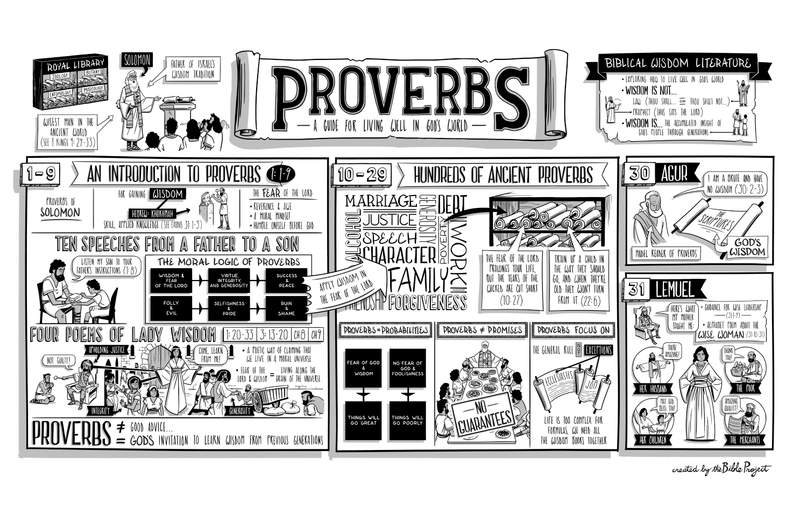
The center of the book is the fear of the Lord. Wisdom is not only smart living. It is faithful living under God. This theological core ties diverse sayings together.
Major themes include:
- Wisdom and folly as moral paths.
- Righteousness, justice, and integrity.
- Speech and self-control.
- Diligence, generosity, and fairness toward the poor.
When we ask who wrote the book of Proverbs, the deeper question is whose wisdom it carries. The answer is that wisdom is God’s gift, expressed through Israel’s sages for life that works.
How Scholars Study Authorship Today
Modern study blends literary, historical, and linguistic tools. Researchers compare vocabulary, examine patterns, and note editorial seams. They also compare Proverbs with other ancient texts to map influence and originality.
Key methods:
- Textual analysis of superscriptions and groupings.
- Linguistic features that may reflect different periods.
- Comparative study with regional wisdom literature.
- Reading within Israel’s broader wisdom tradition.
These methods clarify who wrote the book of Proverbs by showing both unity and development. The evidence supports a Solomonic core with curated additions over time.
Practical Tips for Reading Proverbs
In my teaching and study groups, the best gains come from small bites. Proverbs shines when you read slowly and apply one idea at a time. I often ask people to choose one verse for the day and make it a practice.
Tips that work:
- Read by themes such as speech, work, or friendship.
- Treat proverbs as general truths, not guarantees.
- Pair Proverbs with Job and Ecclesiastes for balance.
- Journal the image in a proverb and name one action.
- Memorize a short set for work or family life.
If you keep asking who wrote the book of Proverbs while you read, remember that its composite voice is a strength. It speaks to different moments with steady wisdom.
Common Misunderstandings to Avoid
Readers sometimes treat every proverb like a promise. That can lead to disappointment. Proverbs describes how life usually works, not what must happen every time.
Pitfalls to watch:
- Picking single lines without context.
- Ignoring the fear of the Lord as the frame.
- Forcing every verse into modern clichés.
- Reading prosperity into texts that teach prudence.
- Neglecting how editors arranged themes and contrasts.
These checks will help you move beyond who wrote the book of Proverbs to how to live it well.
Frequently Asked Questions of who wrote the book of proverbs
Did Solomon write all of Proverbs?
No. Solomon is the main voice for large sections, but not all. The book also includes sayings from other sages and later compilers.
Who are Agur and Lemuel in Proverbs?
Agur son of Jakeh and King Lemuel appear in Proverbs 30 and 31. They represent distinct wisdom traditions preserved within the book.
What does Proverbs 25:1 tell us about authorship?
It says men of Hezekiah copied additional proverbs of Solomon. This shows later scribes expanded and preserved earlier material.
Why does Proverbs feel both unified and varied?
Because it blends Solomonic sayings with other collections. Editorial arrangement creates unity, while multiple voices bring variety.
How do scholars decide who wrote the book of Proverbs?
They analyze internal headings, language, themes, and historical notes. They also compare Proverbs with other ancient wisdom texts.
Is Proverbs dependent on non-Israelite wisdom?
Some sections echo broader Near Eastern wisdom. Israel’s sages adapted and framed it within faith in the Lord.
Does the acrostic in Proverbs 31 point to a single author?
It points more to a crafted poem than to authorship proof. It may reflect a traditional form used to teach and remember.
Conclusion
Solomon stands at the center of Proverbs, yet the book is a well-made library of wisdom shaped by sages and scribes across generations.
Asking who wrote the book of Proverbs opens a richer view of how God’s people gathered, refined, and taught wisdom for real life. Use that insight to read more wisely: pick a theme, take one proverb a day, and practice it.
If this helped, explore more studies on biblical wisdom, subscribe for new guides, or share a question you want answered next.