

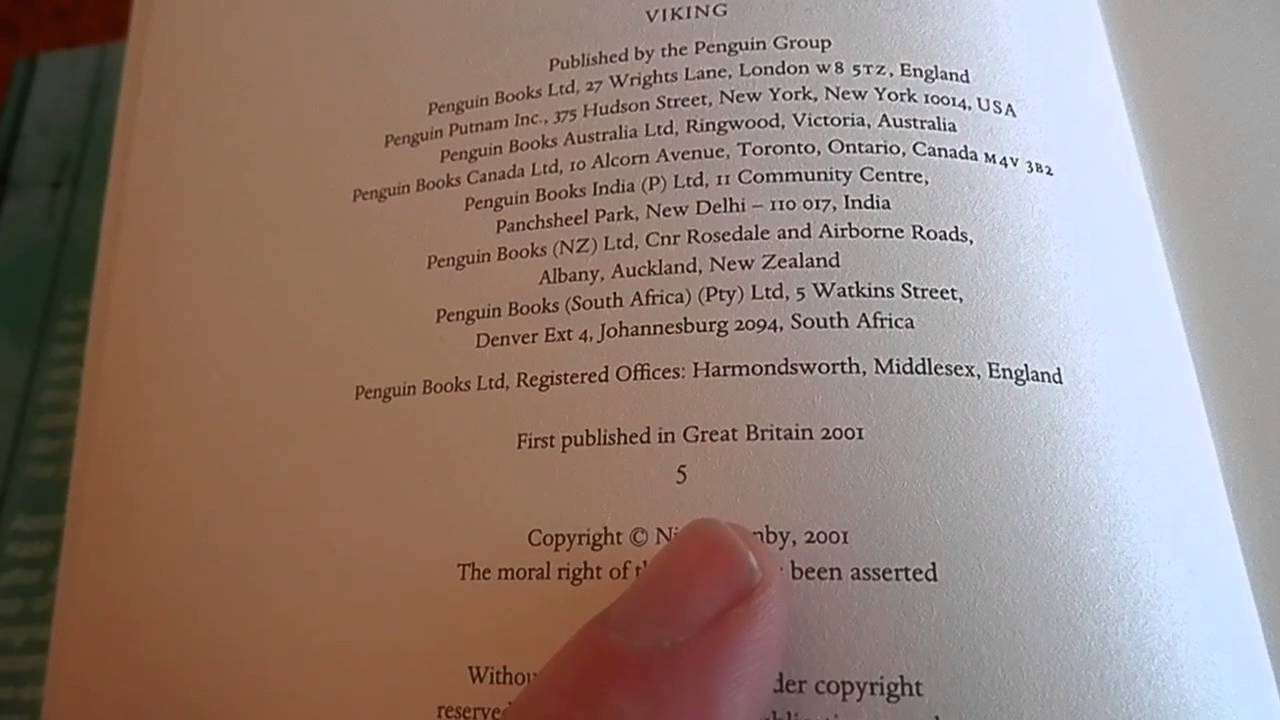
Check the copyright page for an edition statement or number line showing printing.
If you have ever wondered how to know what edition a book is, you are in the right place. I have helped collectors, students, and casual readers solve this puzzle fast.
Here, I explain how to know what edition a book is with clear steps, real examples, and pro tips from years of handling rare and common books alike. You will learn to read the clues that publishers leave on the page, the cover, and online tools and you will feel sure when you pick the right copy.
What a book edition really means?
An edition is a version of a book that has been set from a new file or type. Changes can be big or small. New chapters, new layout, a new translation, or new art can make a new edition.
A printing, sometimes called an impression, is a run of copies made from the same file. If the text did not change, it is a new printing, not a new edition. This matters for price and for study use.
If you want to learn how to know what edition a book is, start by telling edition and printing apart. That simple step will save time and money.
Where to look in the book?
Open the book and turn past the title page. On the back of that page, you will find the copyright page. This page holds most of the data you need.
Look for these parts:
- Edition statement. It may say First Edition, Second Edition, Revised Edition, or First Thus.
- Number line. A line of numbers that shows the printing.
- Copyright dates. First publication year and later reprint years.
- Publisher and location. Useful when a book has US and UK editions.
- Cataloging data. Library details may hint at edition or year.
If you need a quick plan for how to know what edition a book is, check this page first. Nine times out of ten, it gives the answer.
How to read number lines and print lines?
Most modern books use a number line on the copyright page. The lowest number in the line tells the printing.
Common patterns:
- 10 9 8 7 6 5 4 3 2 1 means first printing.
- 10 9 8 7 6 5 4 3 2 means second printing.
- 2 4 6 8 10 9 7 5 3 1 can also be first printing. Some lines mix odd and even sets.
- Year lines. A top line of years and a bottom line of numbers show both year and printing. The lowest year left is the reprint year.
Some books list Reprinted 2008, 2009, 2011 under First published 2006. That shows later printings. When I appraise books, I always use the number line first. It is the most sure tip when you learn how to know what edition a book is.
Edition statements you will see
Publishers use clear labels for editions. Each label has a use and a value.
Watch for:
- First Edition. The first time the text was set in final form.
- First American Edition or First UK Edition. First time in that market.
- First Thus. First printing of a new form, like new art or a new translation.
- Revised Edition or Updated Edition. Text changed after review or with new data.
- Anniversary Edition, Collector’s Edition, or Deluxe Edition. Often new design, sometimes added content.
When clients ask how to know what edition a book is, I tell them to match the edition statement with the number line. First Edition with a 1 in the number line is the sweet spot for many collectors.

ISBNs, barcodes, and metadata
Each format and edition gets its own ISBN. Hardcover, paperback, and e‑book each have a different one. An ISBN alone does not state first or second edition, but it links to the right record.
Practical steps:
- Match the ISBN on the copyright page to the format in hand.
- Scan the barcode. The add-on code often shows price, not edition.
- Use the ISBN to search the publisher page. You can confirm the edition text there.
If you wonder how to know what edition a book is when the page is vague, the ISBN check can close the case.
External clues on the cover and jacket
The cover and dust jacket add clues when the copyright page is thin.
Check for:
- Price on the jacket flap. Book club editions often show no price.
- Book Club Edition printed on the jacket or blind stamp on the back cover.
- Winner seals or new foreword notes. These can mark a later edition or later printing.
- New art or layout. Often tied to a First Thus or a movie tie-in edition.
I learned early that jacket claims can be bold. Always pair jacket clues with the copyright page when you decide how to know what edition a book is.
Special cases: textbooks, academic, and self-published
Textbooks change fast. The edition is clear on the cover and on the copyright page. Many include new problem sets, new cases, or new data.
Academic presses may show impression notes like Reprinted with corrections. That is still the same edition. Self-published or print-on-demand books may skip number lines. Look for an Edition line near the top of the copyright page or in the front matter.
For students who ask how to know what edition a book is, match the ISBN from the syllabus and confirm the edition line. Access codes must match the edition.

Verify the edition online
When the book is not clear, use trusted tools.
Try these steps:
- Search the ISBN on the publisher site. Confirm edition and year.
- Check library catalogs. Records list edition, place, and year.
- Compare with bibliographies or a bookseller database for rare books.
- Use the Look Inside or About this edition view in major book sites.
This is my safety net when clients ask how to know what edition a book is and a page lacks data. Two quick checks online can prevent a bad buy.
Step-by-step checklist
Use this short workflow any time you need to confirm an edition.
- Open the book and turn to the copyright page.
- Read the edition statement line.
- Decode the number line. The lowest number is the printing.
- Note the copyright years and any reprint dates.
- Check the jacket for price, club marks, or new-content notes.
- Match the ISBN to the format in hand.
- Verify online with the ISBN if any doubt remains.
Follow this list, and you will always know how to know what edition a book is without stress.
Collector tips and common mistakes
First edition does not always mean first printing. For top value, collectors want First Edition and first printing. For study use, a later printing of the same edition is fine.
Avoid these traps:
- Trusting the cover only. The jacket can mislead.
- Mixing markets. A first UK edition is not the same as a first US edition.
- Ignoring First Thus. New art or a new translation can boost interest.
- Overlooking book club issues. They look close to trade copies but are worth less.
When people ask me how to know what edition a book is, I stress patience. Slow down, read each clue, and confirm with one outside source.
Frequently Asked Questions of how to know what edition a book is
How do I check how to know what edition a book is without the dust jacket?
Go to the copyright page and read the edition line and number line. Those two items will give you the edition and printing.
How can I tell how to know what edition a book is if there is no number line?
Look for an edition statement or a reprint note. If still unclear, match the ISBN to the publisher record.
Does the ISBN tell me how to know what edition a book is?
The ISBN ties to a specific edition and format. It will not say first or second by itself, but it links you to the right record.
What does First Thus mean when I ask how to know what edition a book is?
It means the first printing of a new version, like a new translation or new art. It is not the first-ever edition of the text.
How do I learn how to know what edition a book is for textbooks?
Check the cover, spine, and copyright page for the edition. Then match the ISBN to the one in your class list.
Can the year alone show how to know what edition a book is?
No. A year can show first publication or a reprint. Always pair the year with the edition line and number line.
Conclusion
You now have a clear path to read any book’s clues with ease. Start with the copyright page, confirm the number line, and match the ISBN. When needed, check the jacket and verify online.
Use this process the next time you need to know how to know what edition a book is. You will save money, avoid mix-ups, and buy with confidence. If this guide helped, subscribe for more book-smart tips or leave a comment with your trickiest find.