

Master the craft, build a portfolio, and network your way into editing.
If you want to learn how to become a book editor, you are in the right place. I’ve helped writers turn rough drafts into books that sell and win awards.
Here, I share exact steps, proven tools, and real stories so you can learn how to become a book editor with skill and confidence. Read on to learn the job, the craft, and the business.
What Does a Book Editor Do?
A book editor shapes a manuscript so it is clear, engaging, and ready for readers. The role covers structure, language, accuracy, tone, and market fit. Editors also guide authors through feedback, deadlines, and revisions.
Good editing is invisible. The book feels like the author at their best. Editors solve problems with calm focus. They track details, manage timelines, and protect the reader’s time. If you want to know how to become a book editor, start by knowing this core value.
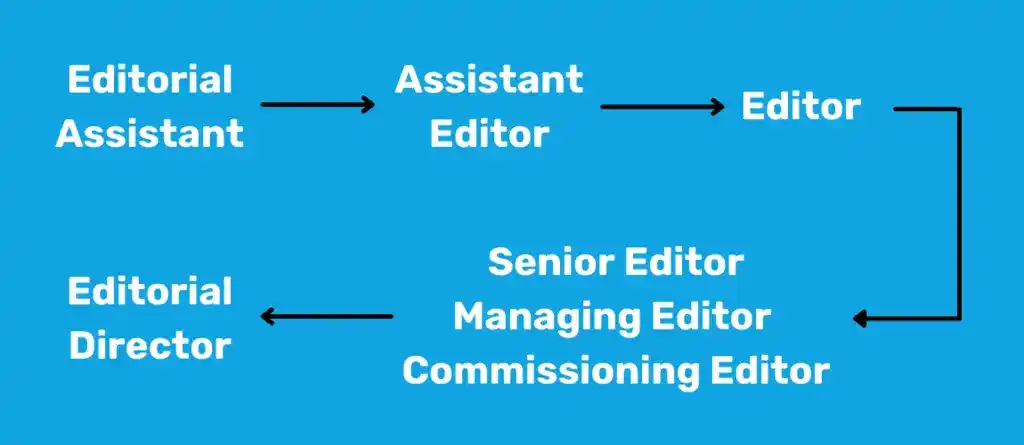
The Main Types of Editing
Understanding the editing types helps you choose your path and sell your skills. Many editors do more than one type, but each needs a different lens.
- Developmental editing focuses on big-picture issues like plot, pacing, and structure. It guides the book toward a clear spine.
- Line editing improves voice, rhythm, and flow at the sentence level. It makes the text sing.
- Copyediting fixes grammar, usage, style, and clarity. It ensures consistency and correctness.
- Proofreading catches typos and layout errors after design. It is the final safety check.
- Acquisitions editing selects books for a publisher and works on market fit. It needs both taste and data sense.
:max_bytes(150000):strip_icc()/book-editors-2316050-final-59077d01f914425394a87f922efd1f3a.png)
Skills You Need to Succeed
Editors blend craft, care, and systems thinking. You can learn these skills with practice and feedback.
- Language mastery. Know grammar, syntax, and style. Read a lot and read wide.
- Structural sense. See what is missing, what drags, and what shines.
- Empathy and tact. Give feedback that is honest and kind. Keep the author’s voice.
- Project skills. Plan timelines, track versions, and hit deadlines.
- Tech comfort. Work in Word with Track Changes, and in Google Docs with suggestions.
- Market insight. Know genres, categories, and reader expectations.
If your aim is how to become a book editor, build these skills one by one and show them in your samples.
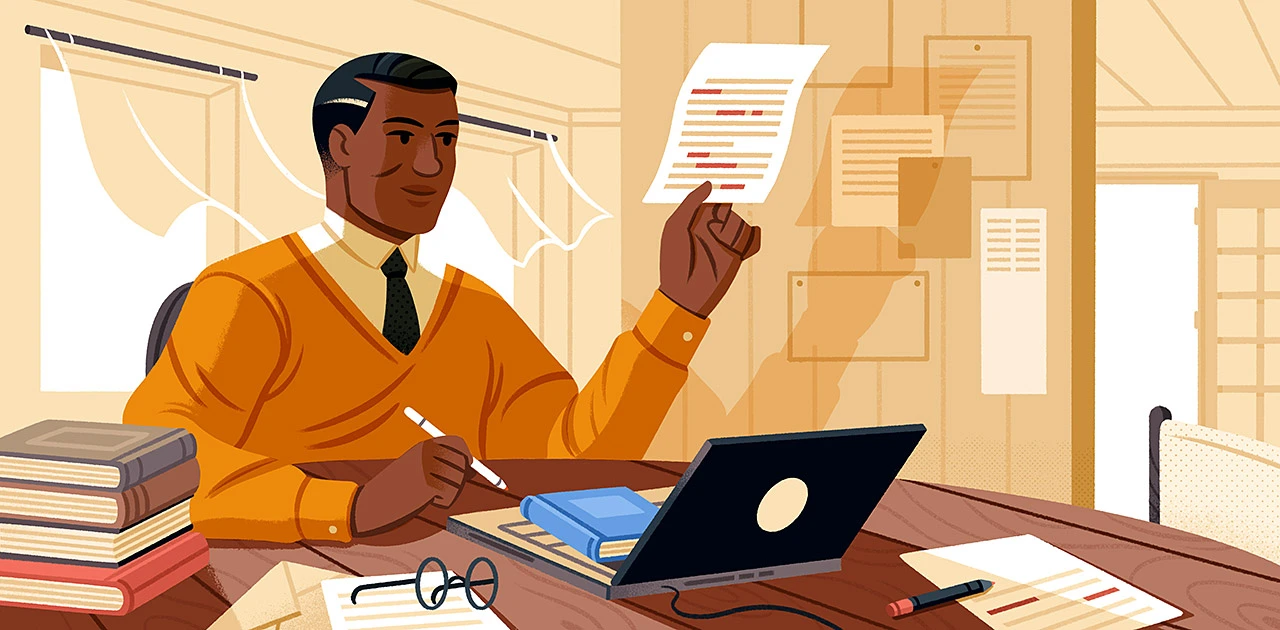
Education and Training: Degrees, Certificates, and Self-Study
You do not need a specific degree to edit books. Many editors have degrees in English, journalism, or related fields. What matters most is your portfolio, your process, and proof you can improve a text.
Short courses, certificates, and workshops can help. Look for programs that include hands-on edits and mentor feedback. Study style guides and read craft books. If you seek how to become a book editor fast, combine targeted learning with real edits.
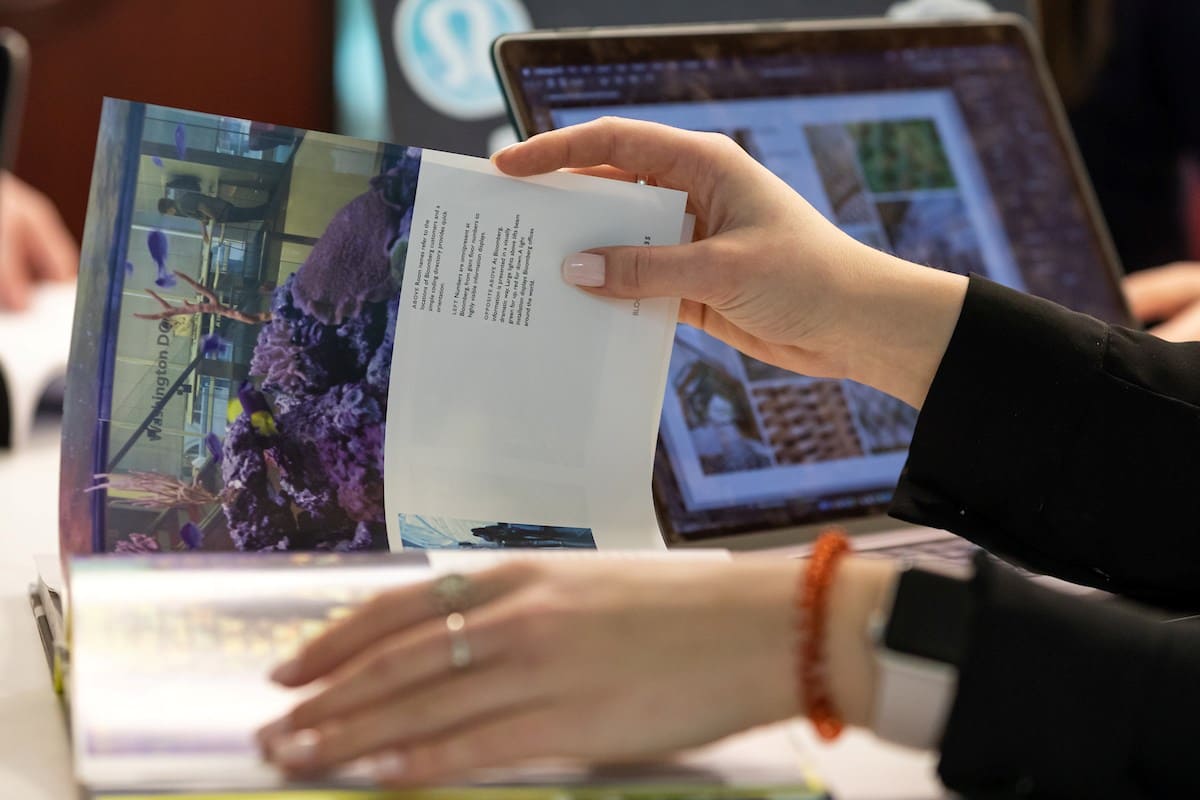
Tools, Style Guides, and Workflows
Editing is smoother when your tools and systems work together. Keep your setup simple and reliable.
- Word with Track Changes for formal edits. Most publishers prefer it.
- Google Docs for live collaboration. Great for coaching and quick passes.
- PerfectIt or similar for style consistency. It speeds up checks.
- A style sheet for each book. Track spelling, hyphenation, names, and terms.
- The Chicago Manual of Style for most US books. Know its key rules.
- Version control. Save by date and stage so nothing gets lost.
A clean workflow builds trust. If you plan how to become a book editor, master these basics early.

Build Experience and a Portfolio
You earn trust with proof. Show what you can do with real pages and clear outcomes.
- Volunteer edits for a school press, a nonprofit, or critique groups.
- Beta read for authors and offer a short sample edit.
- Create before-and-after pages, with notes on goals and changes.
- Ask for testimonials and permission to share project details.
- Specialize by genre. Focus on romance, sci-fi, memoir, or business books.
In my first year, I offered three-page samples. I got quick wins and kind words. That helped me pitch with confidence and learn how to become a book editor others could rely on.

How to Become a Book Editor: Step-by-Step Roadmap
Follow this simple plan to move from learner to paid pro. Keep each step small and focused.
- Read five top books in your target genre. Note voice and structure.
- Study a style guide. Learn the rules you will use each day.
- Edit three sample chapters from public-domain texts to practice.
- Build a one-page style sheet template and use it on every job.
- Offer two free sample edits of 1,000 words each to real authors.
- Gather feedback and revise your process and checklist.
- Create a simple website with services, samples, and a bio.
- Set starter rates and a clear scope. Share a one-page contract.
- Pitch five agents, small presses, or indie authors each week.
- Track results and refine your niche.
If your goal is how to become a book editor in a crowded market, this roadmap keeps you moving without guesswork.
Getting Your First Paid Work: Pitching and Job Search
Your first paid job often comes from a smart, kind pitch. Keep it short and helpful.
- Lead with value. Share one insight about their sample or genre norms.
- Offer a small paid sample. It reduces risk for both sides.
- Be clear on scope, price, and dates. Put it in writing.
- Start with indie authors, writing groups, and micro-presses.
- Ask happy clients for referrals and a short review.
When I began, I sent five pitches a week. I shared one quick fix I’d make and a short timeline. That simple habit taught me how to become a book editor who wins steady work.
Setting Rates, Contracts, and Business Basics
Rates vary by edit type, speed, and genre. Many charge per word, per page, or per project. Share a range, then quote after a sample review.
- Developmental editing often costs the most due to depth and time.
- Line and copyedits sit in the middle. Proofreading is usually less.
- Use deposits, milestones, and a clear revision limit.
- Include a kill fee and timeline in your contract.
- Track income, taxes, and expenses from day one.
Industry data shows typical rates rise with niche skill and proof of impact. If you study how to become a book editor with a business mindset, you will earn more and stress less.
Networking, Reputation, and Long-Term Growth
People hire editors they trust. Show up where writers meet and be useful.
- Join writing groups and critique circles. Give more than you take.
- Attend conferences and pitch sessions. Follow up with a kind note.
- Share craft tips on social media or a newsletter.
- Partner with formatters, cover designers, and marketers.
- Build a simple case study after each book ships.
Over time, referrals will replace cold pitches. That is the quiet engine behind how to become a book editor with a full calendar.
Quality Control: Checklists and Metrics
Great editors love checklists. They reduce errors and free brain space for craft.
- Prep checklist. Files, style sheet, goals, and deadlines.
- Pass checklist. Structure, voice, clarity, and consistency.
- Final checklist. Typos, layout, links, and front/back matter.
- Metrics. Track pages per hour, error rate, and client satisfaction.
A short debrief after each job sharpens your edge. If you measure your work, you master how to become a book editor who improves with each project.
Ethics, Sensitivity, and Legal Issues
Trust is your brand. Protect it with clear ethics and care.
- Confidentiality. Do not share client work or data without consent.
- Credit. Agree on acknowledgments before you start.
- Conflict of interest. Disclose ties that may affect your judgment.
- Sensitivity. Flag harmful content and suggest expert readers when needed.
- Copyright. Do not reuse client material or paid samples.
These lines are simple, but they matter. Follow them and you will learn how to become a book editor people recommend.
A Realistic Timeline and 90-Day Plan
You can build momentum fast with steady, focused work. Keep your plan lean and tight.
Days 1–30
- Read in your niche. Study one style guide.
- Build your style sheet and checklist.
- Create three strong samples.
Days 31–60
- Offer two free sample edits. Collect testimonials.
- Launch a one-page site. Post a clear service list.
- Pitch five prospects weekly.
Days 61–90
- Book two paid projects. Deliver on time.
- Refine your rates and contract terms.
- Write one case study and ask for referrals.
This plan shows how to become a book editor without burning out or stalling.
Common Mistakes and How to Avoid Them
These traps slow many new editors. You can dodge them with simple moves.
- Doing every edit type at once. Pick one to master first.
- Skipping a sample review. Always assess fit before you quote.
- Overpromising timelines. Add buffer days for safety.
- Editing away the author’s voice. Guide, do not rewrite.
- Ignoring scope creep. Use a contract and change orders.
Keep a lessons log after each job. That is how to become a book editor who grows with grace.
Frequently Asked Questions of how to become a book editor
Do I need a degree to become a book editor?
No. A degree helps, but proof of skill matters more. Build samples, learn style, and show results.
How long does it take to learn how to become a book editor?
You can get paid work in three to six months with focused effort. Mastery takes years, but you can grow while you earn.
What software should I learn first?
Start with Word and Track Changes, then Google Docs. Add tools for style checks and references as you go.
How do I set my rates as a new editor?
Choose a fair starter range, then refine by project scope and speed. Quote after a sample so the price fits the work.
Can I specialize by genre when starting out?
Yes, and it helps you stand out. Pick a genre you love, study it deeply, and tailor your samples to it.
Is it better to work in-house or freelance?
Both paths work. In-house gives training and teams; freelance gives freedom and higher upside.
Conclusion
You now have a clear map for the craft, the tools, and the business side of editing. Start small, learn fast, and share real proof of your impact. If you apply these steps, you will master how to become a book editor and build steady, proud work.
Take the next step today: create your style sheet, edit one sample, and send one pitch. Want more guides like this? Subscribe and share your questions in the comments.