

Choose a clear angle, outline key moments, and write honest, vivid scenes.
If you want to know how to write a book about your life, you are in the right place. I have guided new writers and published authors through drafting, editing, and launching life stories. This guide shows you how to write a book about your life step by step, with real tips, tested tools, and a steady plan.

Find Your Why and Your Reader
Before you write, get clear on your reason. Your reason anchors every choice. It shapes voice, scope, and pace.
Ask simple questions:
- What change do I want in the reader?
- What core idea drives this book?
- What promise do I make in chapter one?
Define your reader in plain terms. Picture one person. Age, pain points, goals. When I coach authors, we write a one-page reader sketch. It helps cut fluff and guides tone. If your aim is how to write a book about your life for healing, say that early. If your aim is to teach, show takeaways in each chapter.
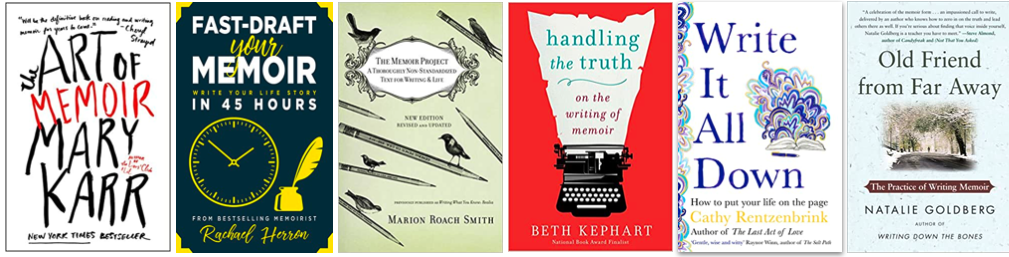
Choose Your Angle: Memoir, Autobiography, or Hybrid
Memoir is a slice of life with a theme. Autobiography covers a full life. A hybrid blends life scenes with advice.
Pick one angle:
- Memoir: Focus on one arc, like grief, sport, or work.
- Autobiography: A to Z life story across decades.
- Hybrid: Story plus lessons, checklists, and tools.
A strong angle keeps you from trying to tell every story. Readers want a clear path. When you ask how to write a book about your life, start here. Decide the angle, then stick to it.
Gather Your Materials and Build a Memory Bank
Good scenes come from details. Build a simple archive. It does not need to be fancy.
Use:
- A timeline with dates, places, and people.
- Folders for photos, emails, and letters.
- Short voice notes after memory sparks.
- Interview notes from family, friends, or peers.
I use a three-column sheet: date, event, sensory detail. Keep it light. Ten minutes a day adds up. This step makes how to write a book about your life feel doable.

Structure: Timelines, Themes, and Arcs
Structure turns raw life into a story. You have three simple options.
Try:
- Linear: Start at point A and move forward.
- Thematic: Group chapters by topic or lesson.
- Braided: Two timelines that meet near the end.
Use a simple arc: setup, struggle, shift, and change. In my first memoir project, the shift came late. We moved it up two chapters. The book came alive. When you plan how to write a book about your life, place the shift with care.

Outline Fast: A One-Page Map
Do not aim for a perfect outline. Aim for a useful one. One page is enough.
Build it in steps:
- Write your hook in one line.
- List 12 to 16 chapters.
- Give each chapter a goal and a beat.
- Note a scene, a turn, and a takeaway.
Tape the outline near your desk. Expect it to evolve. A flexible outline helps you see how to write a book about your life without fear.
Write Scenes, Not Summaries
Scenes make readers feel present. Summaries inform. You need both, but lean on scenes.
Key tips:
- Use concrete detail: smell, sound, texture.
- Use clean dialogue. Keep tags simple.
- Add reflection. Tell how you felt and why it mattered.
- End scenes with a small turn or new question.
I like the 3-2-1 rule: three sensory details, two lines of dialogue, one insight. It keeps pages tight. This is the heart of how to write a book about your life that moves readers.
Voice and Honesty: Say the Hard Thing
Voice is your fingerprint. You do not need jokes or grand words. You need truth and rhythm.
Try these:
- Use short words and short lines.
- Avoid filler. Let the moment breathe.
- Name your bias where it matters.
- Admit doubt when you have it.
Readers trust a clear, humble voice. When I cut one showy paragraph from a client draft, the chapter felt real at last. If you ask how to write a book about your life with trust, choose clarity over polish.
Ethics, Consent, and Legal Care
Real people appear in your story. That calls for care.
Do this:
- Change names and non-crucial details when needed.
- Ask for consent when scenes are private or sensitive.
- Keep notes and sources to back up claims.
- Avoid claims that harm without proof.
Defamation risk is real. Stick to your lived truth. Use “I remember” when memory is unsure. If you have deep concerns, get a legal check. This is part of how to write a book about your life in a safe, fair way.
A Simple Writing Plan You Can Keep
You do not need long days. You need steady days.
Set:
- A weekly word goal you can hit. For example, 2,000 words.
- Two to five sessions a week. Short is fine.
- A light ritual. Same chair, same drink, same song.
Use a timer. I like 25-minute sprints. Stop while you still have juice. That makes the next start easy. When people ask how to write a book about your life while busy, this is the plan I give. It works.
Revision: From Rough to Ready
Drafts are for finding the story. Revision is for craft.
Follow three passes:
- Big picture: Cut or move chapters. Check arc and stakes.
- Scene craft: Sharpen openings and exits. Trim idle talk.
- Line edit: Tighten sentences. Fix flow and rhythm.
Read aloud. You will hear what to cut. Ask two beta readers who match your ideal reader. Then one who does not. Bridging both makes how to write a book about your life more robust.
Feedback and Professional Help
Good feedback is clear and kind. Ask for the right kind at the right time.
Pick:
- Beta readers for clarity and heart.
- A developmental editor for structure.
- A copy editor for grammar and style.
- A proofreader for the final pass.
Set a feedback brief. Share what you need. Ask three questions: Where did you skim? What moved you? What confused you? With this, how to write a book about your life becomes a team effort with you still in charge.
Publishing Paths: Traditional, Hybrid, or Self
Each path has trade-offs. Choose the one that fits your goals.
Traditional:
- Pros: Advance, distribution, prestige.
- Cons: Long timelines, gatekeepers, less control.
Self-publishing:
- Pros: Speed, control, higher royalty share.
- Cons: You manage editing, design, and marketing.
Hybrid:
- Pros: Support with more control.
- Cons: Upfront costs vary; vet offers well.
If you choose traditional, prepare a proposal for prescriptive memoir or life lessons. If you self-publish, invest in cover, interior, and metadata. Either way, how to write a book about your life does not end at “The End.” Plan the launch early.
Platform, Marketing, and Launch
You do not need to be famous. You need to be findable.
Build simple pillars:
- Email list with a lead magnet, like a sample chapter.
- One social channel you like. Post once or twice a week.
- Three partner groups: podcasts, newsletters, and local clubs.
For launch, line up early readers and reviews. Host a small event. Use keywords that match your topic and theme. When people search how to write a book about your life, share a short guide and invite them to your list. Give first, then ask.
Common Mistakes to Avoid
Avoid these traps:
- Telling every event instead of a clear arc.
- Hiding behind vague language and cliches.
- Skipping consent and legal checks.
- Racing to publish without real revision.
- Ignoring the reader’s need for change and hope.
I have made all of these at least once. The fix is slow and steady craft. If you keep these in mind, how to write a book about your life becomes simpler and safer.
Tools, Templates, and Simple Systems
Use tools that keep you moving, not stuck.
Helpful picks:
- Drafting: Google Docs, Word, or Scrivener.
- Notes: Notion, Evernote, or Apple Notes.
- Timers: Pomodoro apps or a kitchen timer.
- Planning: A one-page outline and a weekly tracker.
Templates to try:
- Chapter card: scene, turn, takeaway.
- Reader sketch: wants, fears, and gains.
- Fact log: source, date, where saved.
When you learn how to write a book about your life, simple systems help you protect your time and your heart.
Real-Life Example: A Three-Act Life Arc
Here is a quick path I use with clients.
Act I: Setup and promise
- Open with a moment that shows the core conflict.
- End with a choice that moves the story forward.
Act II: Struggle and growth
- Show two or three failed tries.
- Add a mentor, a tool, or a new insight.
Act III: Change and return
- Show the hard win or new peace.
- Offer a clear lesson for the reader.
This arc works for grief, career change, or health. It is a clean map for how to write a book about your life with pace and payoff.
How to Keep Going When It Gets Hard?
Doubt will visit. That is normal.
Use these resets:
- Take a walk and narrate a scene out loud.
- Read one memoir chapter you love for a spark.
- Rewrite your why on a sticky note.
- Cut one page you do not need. Lightness helps.
When you feel stuck on how to write a book about your life, return to your reader. Ask, what does they need next? Then write that.
Frequently Asked Questions of how to write a book about your life
How long should a life story book be?
Most memoirs range from 65,000 to 90,000 words. Shorter can work if the arc is tight and clear.
Do I need a perfect memory to write it?
No. Use notes, photos, and interviews to support memory. Mark uncertain parts with “I remember” to stay honest.
What if people in my story get upset?
Give context, not revenge. Change names, seek consent for sensitive scenes, and focus on your perspective.
Should I write in past or present tense?
Use the tense that feels natural and stays steady. Many writers draft in past tense for clarity and ease.
How do I start the first chapter?
Begin with a vivid scene that shows the core problem. Keep it concrete, close to the body, and full of stakes.
Can I include journal entries and messages?
Yes, if they serve the scene and move the arc. Keep excerpts short and add reflection so readers understand why they matter.
How do I balance truth and kindness?
Tell the truth you can stand behind. Add empathy, show your own flaws, and avoid claims you cannot support.
Conclusion
You now have a clear path from idea to launch. Choose your angle, plan a one-page outline, and write honest scenes with focused care. Protect people, revise with intention, and market with heart.
Start this week. Draft 500 words, then another 500 tomorrow. If you found this guide useful, subscribe for more deep dives or share a question in the comments so we can help you keep going.