
Plan your story, script pages, thumbnail panels, draw, letter, and publish.
You want a clear, step-by-step roadmap on how do i make a comic book. I’ve written and produced indie comics, coached first-time creators, and worked with small presses.
In this guide, I break down every stage with simple steps, proven workflows, and honest tips. If you are asking how do i make a comic book, you will leave with a plan you can start today.
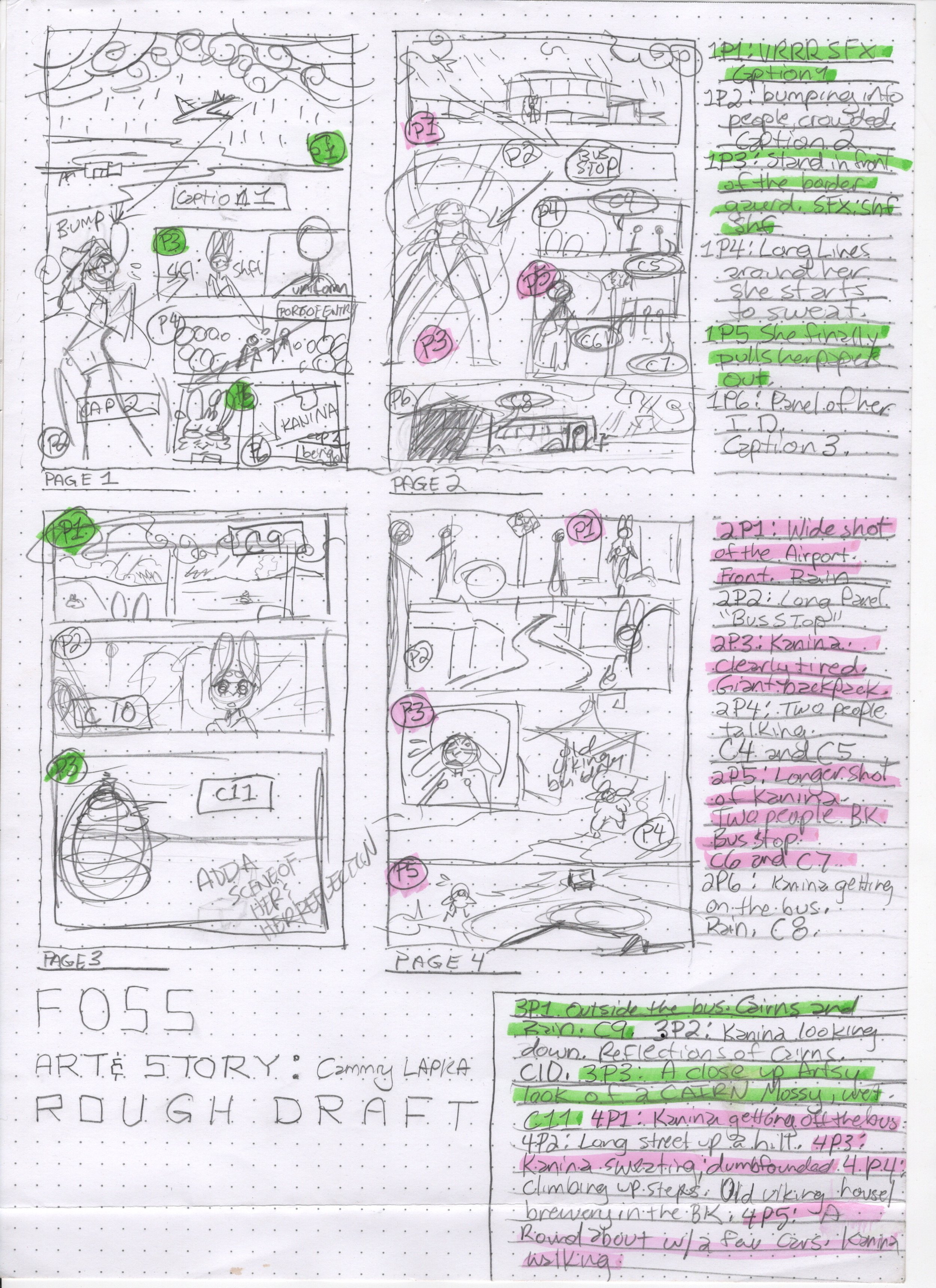
Define your vision and scope
Before pencils touch paper, pick a clear goal. This will steer every choice you make. Decide if your comic is a short zine, a one-shot, or a series. Keep your scope small for your first book.
If you are asking how do i make a comic book, start by picking a format. Your budget and time will thank you. Choose color or black and white. Set a target page count and a due date you can meet.
Use this quick checklist:
- Audience and genre. Name who you want to reach and why they will care.
- Format and size. Standard US comic, manga digest, or webtoon vertical.
- Budget and time. Set a limit for money and hours per week.
- Success metric. Finish a mini, pitch to a publisher, or sell 100 copies.
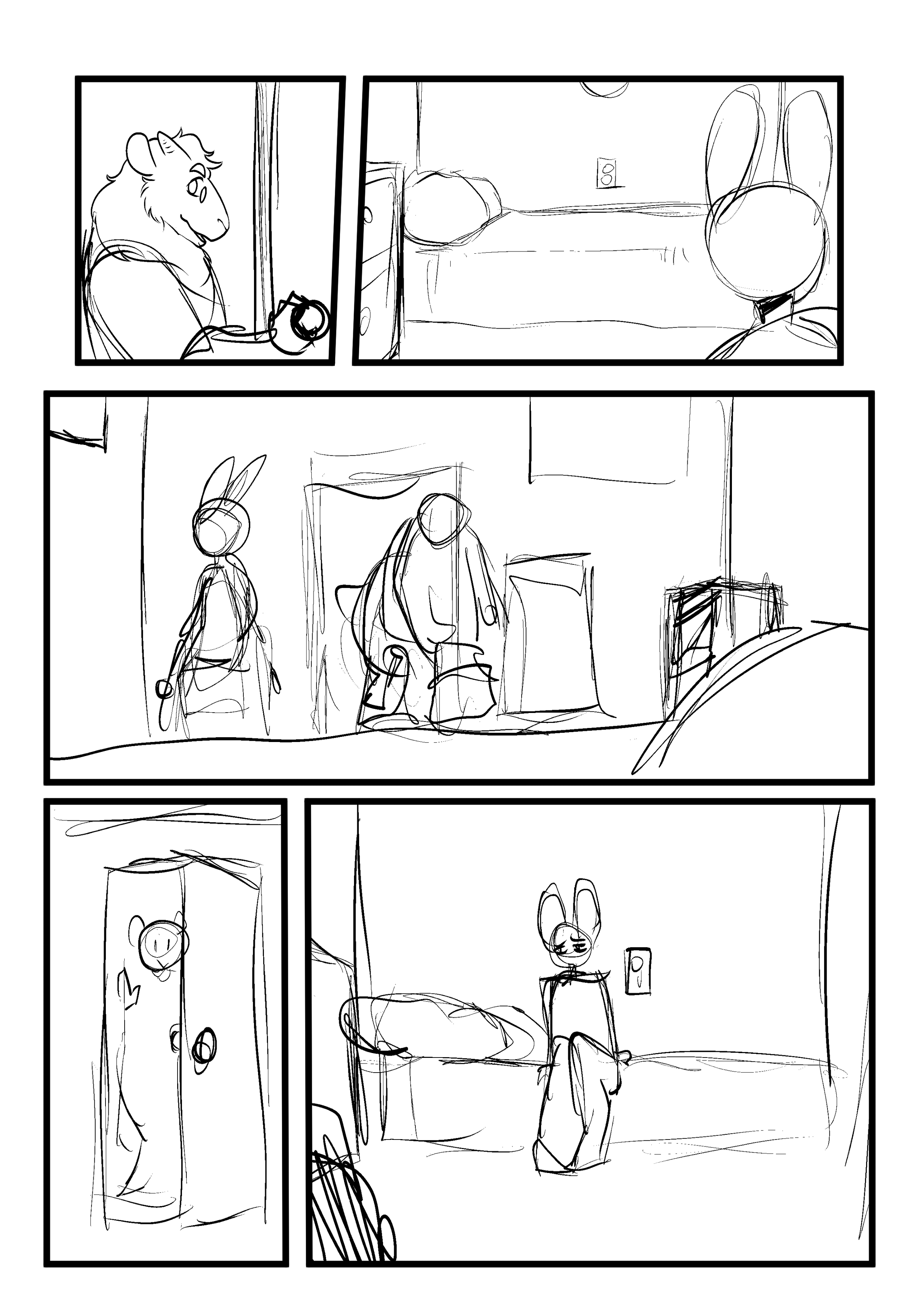
Plan the story, characters, and world
A strong plan saves redraws. Keep the premise simple and clear. Build a cast with goals and flaws. Give each character a voice you can hear on the page.
If you wonder how do i make a comic book with a strong core, write a short logline. One sentence is enough. Then expand to a one-page outline. Break it into scenes that fit your page limit.
Tips that work:
- Keep one main plot. Add small subplots only if you have space.
- Use three-act flow. Set up, build to trouble, then resolve.
- End scenes on a turn. Each page should change the state.
- Focus on moments you can draw. Show, do not tell.
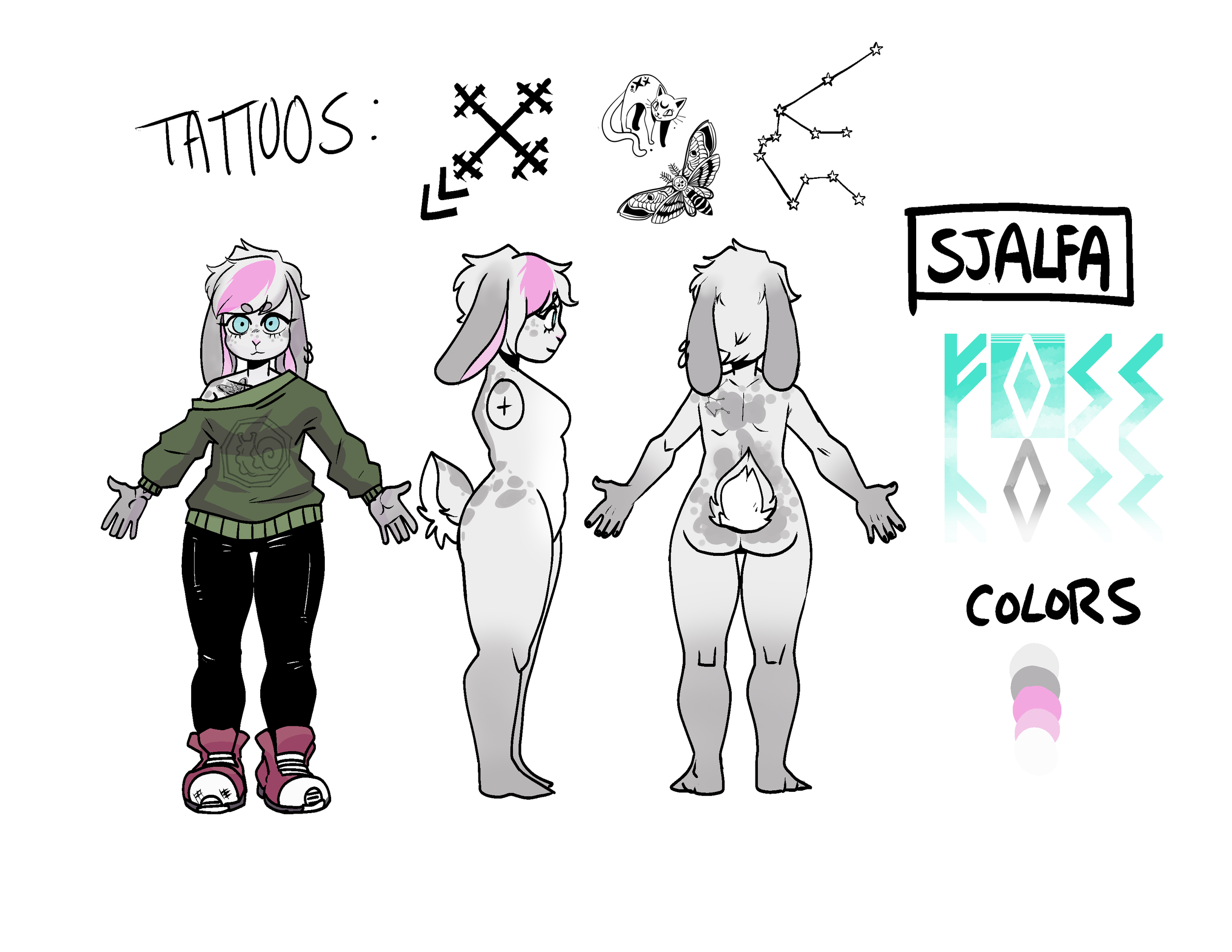
Write a comic script the artist can use
A comic script is a plan for pages and panels. It must be clear and lean. Each page has a short scene. Each panel shows one action.
If you ask how do i make a comic book script, write page by page. Limit panels to five or fewer on most pages. Use simple panel descriptions. Keep dialogue short and easy to letter.
What to include:
- Page number and panel count. Page 5, Panel 3, and so on.
- Visual beats. What we see, where the camera sits, who acts.
- Dialogue and captions. Keep balloons under 25 words when you can.
- SFX and notes. Mark sound effects and special layouts.
A quick sample:
- Page 4
- Panel 1: Wide. Night street. Rain. Hero runs toward a neon diner.
- Panel 2: Close. Hand on door. SFX: CHING.
- Panel 3: Interior. Empty booth. A phone buzzes. CAPTION: Too late.
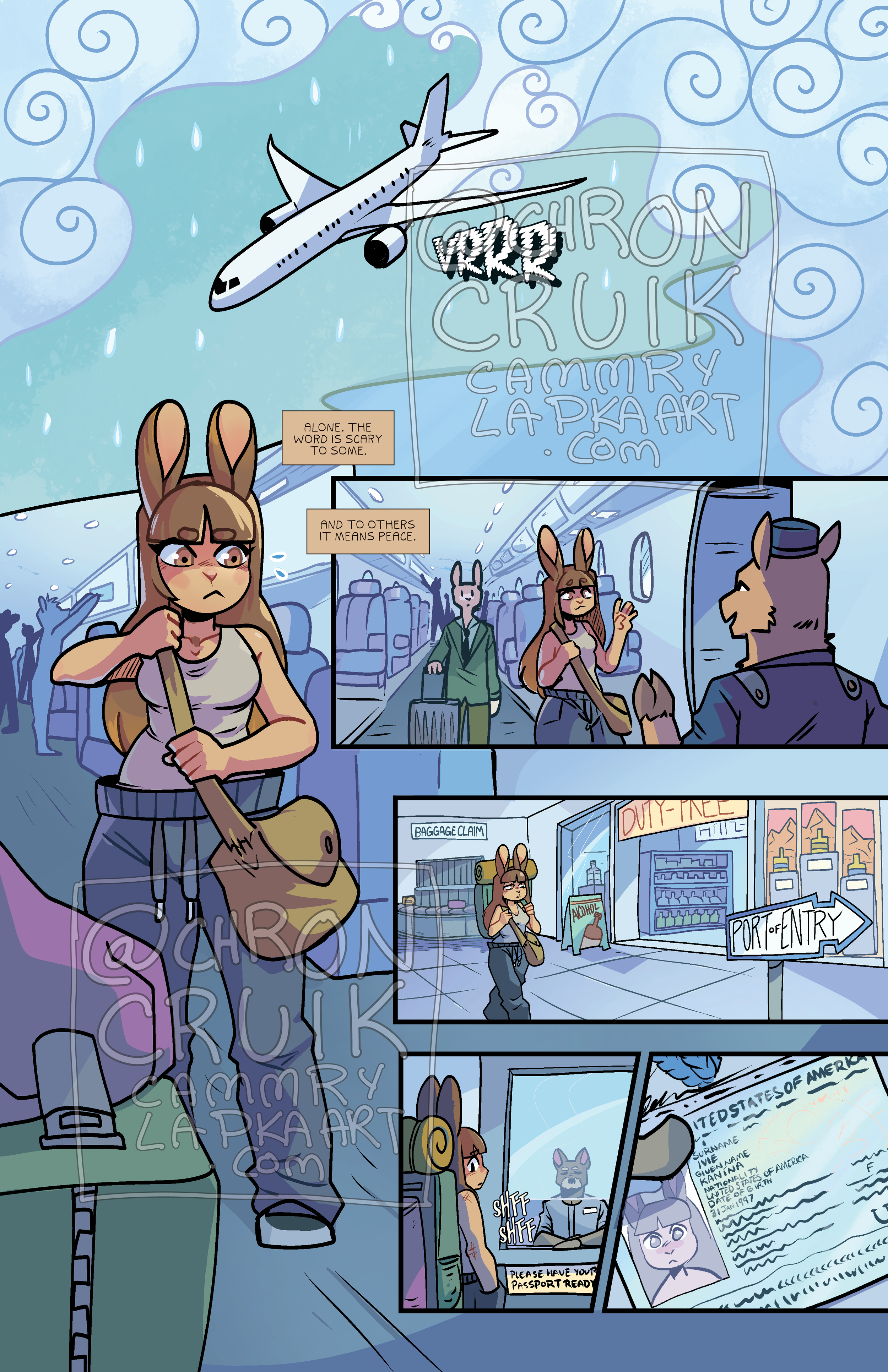
Thumbnail pages and design strong layouts
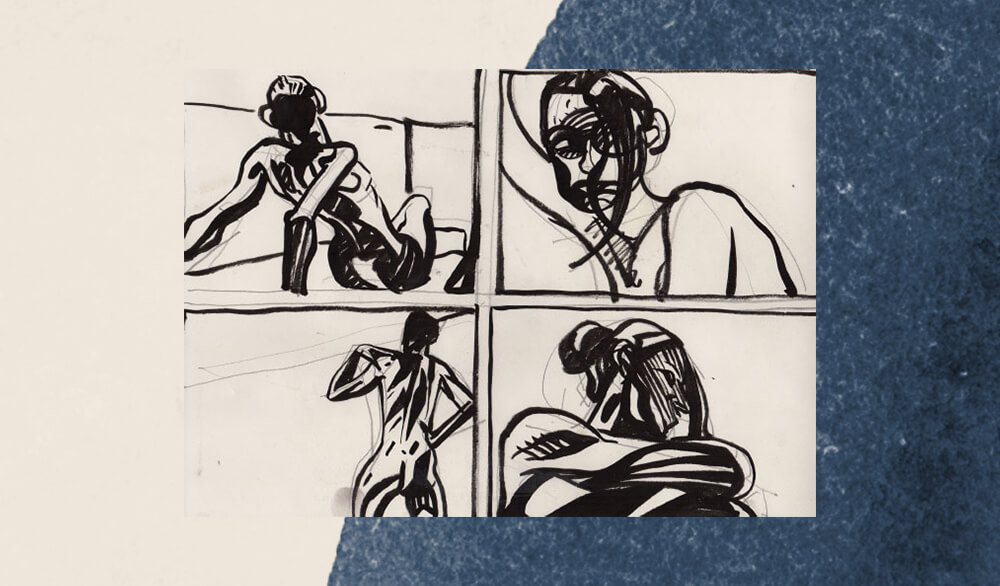
Thumbnails are tiny sketches of your pages. They solve flow and pacing before real art. You can do a full issue’s layouts in a day. This step speeds up the rest.
If you ask how do i make a comic book that reads well, plan the eye path. Guide the reader from left to right and top to bottom. Save big reveals for page turns.
Layout tips:
- Use a clear grid. Three-tier layouts read fast and clean.
- Vary panel size. Big panels for key beats. Small panels for speed.
- Leave gutters. White space adds rhythm and clarity.
- Watch tangents. Keep lines from kissing faces and word balloons.

Draw, ink, and color with a clean workflow
Choose a process that fits your tools and skill. Pencil loose. Tighten shapes. Ink with clear lines. Color to support mood and depth, not to fight the lines.
If you ask how do i make a comic book with pro art, keep files neat. Use layers for pencils, inks, flats, and renders. Set your canvas right at the start.
Helpful specs:
- DPI. 600 dpi for line art. 300 dpi for color pages.
- Size. Work larger than print size, then scale down.
- Tools. Bristol board, brush pens, or digital apps like Clip Studio Paint, Procreate, or Photoshop.
A personal note: My first mini-comic looked muddy. I fixed it by inking with thicker lines on foreground shapes and thin lines in the back. Depth got clear fast.
Lettering, balloons, and sound effects
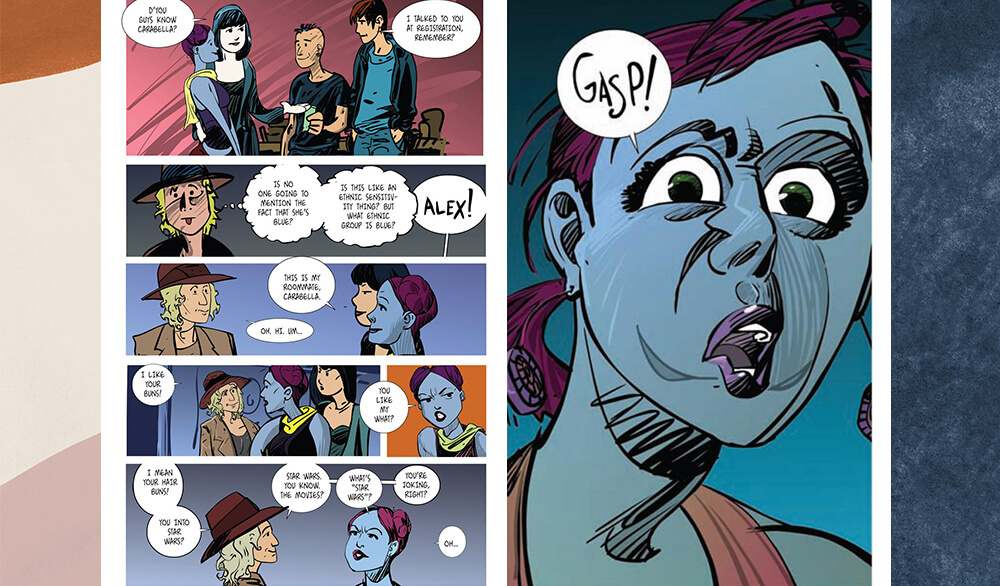
Lettering is part of the art, not an afterthought. Good balloons guide the eye and set the tone. Place text early, even at thumbnail stage.
If you ask how do i make a comic book that readers can follow, keep dialogue short. Avoid long blocks. Put balloons in open spaces. Do not cover faces unless it is a joke.
Practical tips:
- Font choice. Use a clean comic font. Avoid thin lines at small sizes.
- Size. At final trim, 6.5–7.5 pt often reads well in print. Test a proof.
- Balloon order. Left to right, top to bottom. Use tails that point to mouths.
- SFX. Treat as art. Match the mood with weight and placement.
- Tools. Try Affinity Designer, Illustrator, or Clip Studio’s balloon tools.
File prep, bleed, and print-ready exports
Printers need safe margins. Plan for trim from day one. Set up templates with bleed and safe areas. Convert colors for the final print.
If you ask how do i make a comic book ready for print, use these specs:
- Bleed. 0.125 inch on all sides.
- Safe area. Keep text 0.25 inch from trim.
- Color. Work in RGB for creation if you like, then convert to CMYK for print proofing.
- Export. PDF/X-1a or PDF/X-3. Embed fonts. Flatten transparencies when needed.
- Cover. Ask for spine width based on page count and paper stock.
Always order a printed proof. A screen can lie. Paper does not.
Publish: print, digital, or webcomic
Pick a path that fits your goals and wallet. Print-on-demand is low risk. Offset is best for large runs. Digital is fast and global. Webcomics grow fans over time.
If you ask how do i make a comic book and get it out there, test one channel first. Learn, then scale.
Options overview:
- Print-on-demand. KDP for reach, IngramSpark for wide retail, Lulu for variety.
- Offset print. Best unit cost at 500+ copies. Requires storage and shipping plan.
- Digital PDF. Sell on Gumroad, itch.io, or your store.
- Kindle and panel view. Format for guided reading on phones.
- Webtoon or Tapas. Vertical scroll, weekly updates, strong discovery.
Marketing, community, and launch
Great comics need readers. Start early. Share process posts. Build a simple mailing list. Talk in communities where your genre lives.
If you ask how do i make a comic book that people find, plan your launch. Warm your list for weeks. Offer a preview. Ask for shares.
Tactics that work:
- Social rhythm. Post WIP, time-lapse, and panel crops.
- Newsletter. Monthly updates and behind-the-scenes notes.
- Press kit. Logline, 3–5 pages, cover, creator bio, and credits.
- Reviews. Send PDFs to reviewers who cover your niche.
- Events. Artist alleys, zine fests, and bookstore signings.
Team, tools, and production workflow
Work alone or with a small team. Credit each role. Use a shared folder with clear names and versioning. Track tasks in a simple board.
If you ask how do i make a comic book on a schedule, lock a pipeline. Move pages through stages and do batch work when you can.
Useful steps:
- Pipeline. Script, thumbnails, pencils, inks, flats, colors, letters, proof.
- File names. 001_Page_Pencils.tif, 001_Page_Inks.tif, and so on.
- Backups. Local drive, cloud, and one off-site copy.
- Contracts. Agree on rights, pay, and deadlines in writing.
Common mistakes and how to fix them
Everyone trips at first. Fixing small things can lift the whole book. Here are frequent issues I see.
If you ask how do i make a comic book without rookie errors, watch for these:
- Too much text. Cut words. Use images to carry beats.
- Flat values. Check pages in grayscale. Push light and dark.
- Confusing layouts. Keep a clear grid. Avoid zigzags unless needed.
- Weak balloons. Tail points to mouth. Keep balloons off the panel edge.
- No bleed. Use bleed and safe areas on every page.
- Wrong DPI. Do not scale up low-res art. Redraw or re-ink if needed.
Budget, pricing, and realistic timelines
Money and time shape scope. Plan both with care. A small, done book beats a big, half-done one.
If you ask how do i make a comic book on a budget, start with a 12–24 page one-shot. Price print to cover cost and a fair margin.
Simple ranges to expect:
- Art and letters. Per page rates vary by skill and region.
- Print. Unit cost drops with higher runs.
- Extras. ISBN, proof copies, shipping, and tabling fees.
A simple timeline for a 24-page issue:
- Week 1–2: Script and thumbnails.
- Week 3–6: Pencils and inks.
- Week 7–8: Colors and letters.
- Week 9: Proof and fixes.
- Week 10: Print and launch.
Lessons from the studio floor
My first book stalled because I wrote while drawing. I fixed it by locking the script and thumbnails first. Pages moved twice as fast.
If you ask how do i make a comic book with less stress, batch tasks. Letter as you go. Keep a style guide. Use reusable assets for logos, balloons, and SFX.
What I wish I knew sooner:
- Test pages on a phone and on paper.
- Keep dialogue under control. Read it out loud.
- Plan page turns. Make readers want the next page now.
- Ship a short comic. Then build the series.
Frequently Asked Questions of how do i make a comic book
How many pages should my first comic be?
Aim for 12 to 24 pages. It is long enough to learn and short enough to finish.
Do I need to be great at drawing to start?
No. You can work with an artist or use a simple style. Clear storytelling beats fancy art.
What software is best for beginners?
Clip Studio Paint and Procreate are friendly and affordable. Use what you have and learn the basics first.
How much does it cost to print a comic?
It depends on page count, color, and print run. Start with print-on-demand to reduce risk.
Should I make a webcomic or a print comic first?
Pick the path that fits your goal. Webcomics build audience fast, while print gives you a product for events and stores.
What size should I draw at?
Work larger than final size and at proper DPI. Many artists draw at 150 percent and scale down for print.
How do I find an artist or letterer?
Look on portfolio sites and social platforms. Review past work, set terms in writing, and start with a paid test page.
Conclusion
You now have a clear path from idea to book in hand. Break the work into small, repeatable steps and keep your scope tight. Use thumbnails, clean files, and a steady workflow to finish strong.
Start today. Turn your idea into a 12-page one-shot and ship it. If this helped, subscribe for more guides, ask a question, or share your own progress so others can learn from your journey.