

Smart investing strategies and financial markets guide many people toward building long-term wealth. Traditional finance blogs or general business news articles often lack the depth needed for mastering complex portfolio management.
These topics have a clear answer: hedge fund books. Reading these guides gives you direct access to proven risk management tactics, market analysis methods, and capital allocation frameworks used by top professional investors.
Financial literature offers deep case studies on successful trades, detailed psychological insights for volatile markets, and advanced analytical models. Your portfolio gains a sharper edge through practical lessons from legendary market makers.
Publication formats, technical depth, and specific investment styles vary widely across titles, so the right choice depends on your current knowledge level and financial goals. Compare the best hedge fund books below to discover your next reading material.
7 Best Hedge Fund Books Reviews

1.Wiley The Little Book of Hedge Funds
Reveals what you need to know about funds that managers won't tell

2.Wiley The Hedge Fund Edge Book
Shares maximum profit and minimum risk global trend trading strategies
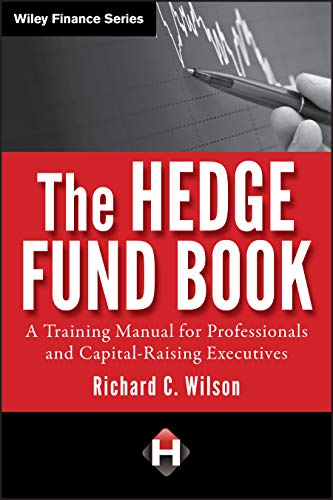
3.Wiley 9780470520635 Hedge Fund Books
Serves as a training manual for professionals and capital raisers

4.Hedge Fund Strategies Reference Book
Gives a qualitative reference for finance students and professionals

5.Penguin More Money Than God Book
Traces hedge funds and the making of a new elite in financial history

6.Wiley Handbook of Hedge Funds Book
Offers a comprehensive reference guide to the world of hedge funds

7.Harper Diary of a Very Bad Year Book
Delivers a candid economic history of the subprime mortgage collapse
1. Wiley The Little Book of Hedge Funds
The Little Book of Hedge Funds reveals how alternative investments operate behind closed doors, guiding readers through strategies used by professional managers. Wiley publishes this volume for anyone curious about how private pools of capital generate returns, manage risks, and structure fees.
Finance students, independent investors, and market enthusiasts gain practical insights into portfolio management without needing a background in advanced mathematics. Chapters explain complex financial instruments in plain language, making opaque trading methods easier to understand for newcomers.
Private wealth strategies often remain hidden from everyday investors, yet this text breaks down those barriers with clear explanations. Readers learn how managers choose assets, hedge market downturns, and navigate economic cycles during periods of high volatility.
Institutional portfolios and high-net-worth individuals rely on these investment vehicles for steady growth, and the book details their underlying mechanics. Market history, regulatory frameworks, and performance metrics receive careful attention across multiple chapters to build foundational knowledge.
Weighing about nine-tenths of a pound, this paperback sits comfortably in your hands during long study sessions at a desk. It serves as a handy reference manual for anyone building a serious library on modern wealth management.
- Explains hedge fund mechanics clearly
- Written for independent investors
- Covers private wealth strategies
- Weighs nearly one pound
2. Wiley The Hedge Fund Edge Book
For mastering global trend trading, The Hedge Fund Edge provides proven strategies that balance profit with risk. Wiley publishes this finance guide for readers who want to understand professional investment methods and market analysis.
Financial markets move in large trends, and traders need structured plans to catch major price shifts. This book covers risk management techniques to protect capital during sudden market swings and volatile trading sessions.
Global trend trading requires clear entry and exit signals, which the chapters explain through historical examples. You can study these market patterns to build a disciplined trading routine for stocks, currencies and commodities.
Professional portfolio managers rely on tested trading systems, and the text breaks down those core principles. Investors learn how to measure market momentum and set profit targets without exposing their accounts to extreme dangers.
Trading psychology also plays a major role in financial success, so the author addresses emotional control during losing streaks. Readers gain insight into how institutional funds handle large positions and maintain steady long-term performance.
Weighing just about 0.8 pounds, the volume is easy to carry in a bag or read at a desk during study hours. This finance book suits aspiring traders, private investors and finance students who want professional market strategies.
- Teaches global trend trading methods
- Focuses on risk management techniques
- Explains institutional market analysis
- Lightweight format for easy study
- No major cons
3. Wiley 9780470520635 Hedge Fund Books
Nearly one pound of professional guidance sits within the pages of this training manual, crafted specifically for ambitious finance careers. The Hedge Fund Book covers the core concepts, strategies and practices that drive modern alternative investment firms.
Financial professionals and capital-raising executives find detailed chapters explaining industry standards, fund structures and investor relations. Readers learn how managers raise capital, handle portfolio risks and navigate complex market regulations during daily business operations.
Detailed guidance helps newcomers understand the inner workings of alternative investment strategies and asset management. Experienced managers also use the manual to refine their fundraising techniques and expand their institutional investor networks across global markets.
Wiley publishes the guide as part of the recognized finance series, making it a reliable reference for office bookshelves. The physical book weighs about nine tenths of a pound, making it easy to carry in a briefcase or work bag.
Busy practitioners can consult specific sections quickly when preparing for investor meetings or analyzing partnership agreements. This comprehensive reference text suits finance professionals, business students and capital-raising executives seeking industry knowledge.
- Authored for finance professionals
- Covers capital-raising methods
- Useful for career development
- No major cons
4. Hedge Fund Strategies Reference Book
Finance students, investment professionals, family offices, and institutional investors get a reliable qualitative reference from Hedge Fund Strategies. This professional guide explores global macro and other alternative approaches used in modern portfolio management.
Detailed chapters explain complex investment structures, risk controls, and market techniques for advanced learners. You can study these pages to understand how large pools of capital navigate changing economic cycles.
Complex industry terms and analytical models receive clear breakdowns throughout the text. Readers gain a solid foundation in alternative asset classes without needing prior executive experience.
Academic researchers and wealth managers use these insights to build better investment portfolios. Each chapter builds on core financial concepts to prepare readers for professional decision-making.
Physical dimensions measure six inches by about nine inches, with a thin profile of nearly half an inch. This paperback format fits easily inside backpacks and briefcases for daily study sessions.
Busy professionals and serious learners find practical value in this comprehensive handbook. Anyone pursuing advanced financial knowledge will appreciate the depth of research contained inside.
- Covers global macro and alternative approaches
- Explains complex investment structures
- Breaks down analytical market models
- Fits easily inside backpacks for study
- No major cons
5. Penguin More Money Than God Book
For anyone reading in a quiet room or study, this book offers a deep look into the hidden world of hedge funds. Penguin Random House publishes this hardcover work under the council on foreign relations books series.
Illustrated formats throughout the pages help explain complex financial concepts for everyday readers. History fans and finance students can follow the rise of wealthy investment managers across detailed chapters.
The colorful cover design stands out nicely on any bookshelf or office desk alongside other reading material. Multicolor artwork on the exterior gives the volume a polished appearance for collectors.
Physical dimensions measure about six inches deep, one inch wide, and eight inches tall for easy handling. Readers can hold the volume comfortably during long study sessions at home.
The entire book weighs about two pounds, making it simple to carry in a backpack or satchel. This financial history suits history buffs, finance professionals, and curious readers who want to understand modern markets.
- Includes helpful illustrated formats
- Compact size for easy daily carry
- Clear history of modern finance
- No major cons
6. Wiley Handbook of Hedge Funds Book
The Wiley Finance Series guides readers through complex investment strategies with this book, which explores the world of alternative assets and modern portfolio management. Finance professionals, graduate students, and private investors use these pages to learn how hedge funds operate, how managers generate returns, and how risk management protects capital during market downturns.
Detailed chapters explain quantitative strategies, arbitrage techniques, and macroeconomic trading models used by modern portfolio managers. Readers also gain insight into fund structures, fee arrangements, performance metrics, and regulatory frameworks governing the alternative investment industry.
Mathematical formulas and statistical models appear throughout the text to help analysts measure volatility, evaluate risk-adjusted performance, and construct diversified portfolios. Historical case studies illustrate how strategies succeed or fail under changing market conditions, giving investors practical context for real-world decision-making.
Weighing about three pounds, this heavy reference volume sits firmly on a desk during deep study sessions. The pages measure about seven inches wide by ten inches tall, providing large margins for notes and clear readability of dense financial tables.
Wiley publishes this comprehensive reference guide for serious finance practitioners, advanced students, and portfolio managers who need a thorough resource on alternative investment strategies.
- Covers advanced investment strategies
- Explains fund structures and fees
- Includes risk management models
- Features historical case studies
- Clear text and financial tables
- Weighs about three pounds
- No digital edition included
7. Harper Diary of a Very Bad Year Book
Harper Perennial publishes Diary of a Very Bad Year to explain the subprime mortgage collapse through the eyes of an anonymous hedge fund manager. This candid economic history details financial markets during a turbulent market crash.
Readers get a close look at institutional finance during a major downturn. The narrative explores complex economic events through real conversations and reflections.
The softcover book measures about 8 inches tall by 5 inches wide. It has a slim profile that fits easily into bags and on bookshelves.
Weighing about half a pound, the volume travels comfortably to work or class. This financial history suits finance students, economists and readers interested in market history. Last but not least, our final pick covers the crisis from an insider perspective.
- Candid economic history of the crash
- Insider view of the hedge fund world
- Portable and lightweight paperback
- No major cons
How to Choose the Best Hedge Fund Books
Choosing the right reading material shapes your financial education and investment strategy, making it vital to match the text with your current knowledge level, career goals, and specific areas of interest within the alternative investment industry.
| If You Need | Look For | Expect |
|---|---|---|
| Absolute beginner basics | Plain English explanations | Less advanced strategy depth |
| Professional capital raising | Specific institutional workflows | Denser industry terminology |
| Historical market context | Engaging narrative storytelling | Fewer technical formulas |
| Advanced trading models | Quantitative risk metrics | Steeper learning curve |
| Comprehensive strategy breakdowns | Qualitative asset class definitions | Higher book weight |
Target Audience Level
Matching your current experience with the right publication ensures you avoid frustration, keeping your study sessions productive instead of overwhelming. Beginners should seek foundational overviews that explain basic terminology without heavy math, while seasoned professionals need advanced manuals.
Reading Format and Style
Authors present complex financial concepts through different writing styles, ranging from narrative histories to dry academic manuals. Story-driven accounts keep you turning pages late into the night, whereas reference textbooks require slow, deliberate study sessions at a desk.
Author Background and Credibility
Writers with direct industry experience offer insider perspectives, giving you realistic expectations about how alternative investment firms operate behind closed doors. Academic researchers provide objective analysis, but practitioner accounts reveal practical nuances that textbooks often miss entirely.
Physical Dimensions and Weight
Heavy hardcover volumes look impressive on an office shelf, but they strain your wrists during long reading sessions on a daily commute. Lightweight paperbacks slip easily into a backpack, letting you study market strategies while traveling or waiting for appointments.
Subject Matter and Focus
Specific titles concentrate entirely on macroeconomic trends, while others explore quantitative trading algorithms or historical market crises. Pinpoint your exact area of interest first, ensuring your chosen volume directly answers your most pressing questions about the industry.
Price and Value
Budget paperback editions cost very little, letting you build a large financial library without spending excessive amounts of money. Comprehensive hardcover professional manuals require a larger financial investment, but they serve as permanent desk references for your entire career.
Frequently Asked Questions
Are all of these reviewed books written by the same publisher?
While several titles like Wiley The Little Book of Hedge Funds and Wiley The Hedge Fund Edge Book are published by Wiley, others like Penguin More Money Than God Book come from different publishers.
What physical format or binding do these books typically use?
The details for options like Wiley 9780470520635 Hedge Fund Books do not specify the exact cover materials or binding types used for manufacturing.
What comes in the box when ordering these books?
Purchasing any of these titles delivers a single physical copy of the selected book.
Should I choose Wiley The Little Book of Hedge Funds or Penguin More Money Than God Book?
Wiley The Little Book of Hedge Funds focuses on insider fund secrets, whereas Penguin More Money Than God Book traces the historical rise of financial elites, so you should pick the one that matches your specific reading goals.
How should I approach reading these books to understand complex trading strategies?
When studying advanced methods like the global trend trading strategies found in Wiley The Hedge Fund Edge Book, readers should take notes and cross-reference the material with standard finance principles.
Which book is best suited as a training manual for industry professionals?
Wiley 9780470520635 Hedge Fund Books specifically serves as a training manual designed for professionals and capital raisers.
So, What Should You Buy?
For most readers, *The Little Book of Hedge Funds* provides the ideal starting point. Budget-conscious learners should choose *More Money Than God* for compelling financial history. Professionals needing advanced tools will prefer the *Handbook of Hedge Funds*, while students should grab the *Hedge Fund Strategies Reference Book*.
Those seeking specific trading tactics will love *The Hedge Fund Edge Book*, and macro enthusiasts will enjoy *Diary of a Very Bad Year*. Select the title that fits your goals today.