

Money skills shape how you pay rent, buy groceries, and plan trips. High schools rarely teach these lessons, so young adults usually learn by making costly mistakes with credit cards, loans, and spending accounts.
Finance books give you practical roadmaps without the confusing jargon found in dense textbooks. These guides break down budgeting, saving, and investing into clear steps, so you gain confidence instead of guessing your way through bills.
Many titles offer real-life examples, simple budgeting worksheets, and clear investing basics that fit an entry-level salary. Your money management improves, and future goals like buying a car or home come closer into view.
Writers focus on different topics and styles, so the right choice depends on your current money habits. Read on to find the best finance books for young adults below to build your wealth.
8 Best Finance Books for Young Adults Reviews
1.Harriman House Psychology of Money Book
Timeless lessons on wealth and greed help shift your financial mindset
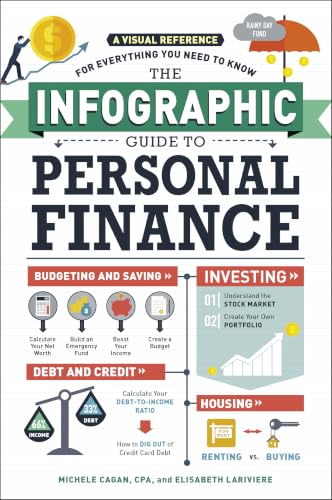
2.Simon & Schuster Personal Finance Book
Visual reference guide covers everything you need to know about money

3.831 Stories Simple Path to Wealth Book
Road map to financial independence and a rich free life for everyone

4.Money Skills for Teens Personal Finance Book
Beginner guide to budgeting and saving built specifically for teens

5.Majosta How to Adult Personal Finance Book
Practical personal finance advice designed for the real adult world
6.Personal Finance for Teens and Young Adults
Teaches budgeting and investing skills not typically taught in school

7.Majosta Finance Books for Young Adults
Shows how the rich generate tax-free income and manage their money

8.Money Skills for Young Adults Finance Book
Simple tools help manage your budget and build a very secure future
1. Harriman House Psychology of Money Book
The Psychology of Money offers timeless lessons on wealth, greed, and happiness for readers building a financial future. This popular book covers important ideas about personal finance, helping young adults understand how people think about money.
Financial decisions depend less on hard math and more on personal history, worldview, and ego. Saving money matters more than high income because wealth is what you do not spend. Compounding works slowly at first, then builds massive returns over decades for patient savers.
Living below your means creates freedom, flexibility, and independence during unexpected life events. Room for error protects investors from market crashes, job losses, and unexpected expenses. Past financial crashes teach lasting lessons about risk, luck, and the illusion of control.
Hard work and smart choices sometimes fail when luck turns against a successful investor. Keeping wealth requires humility, caution, and avoiding extreme risks that threaten financial security. True wealth means having control over your time and daily schedule.
Compact for travelling, this book fits easily into a backpack or tote bag for reading on the bus or train. Harriman House publishes this paperback edition for students, young professionals, and anyone starting their financial journey today.
- Compact size fits easily in bags
- Great for gifting to young adults
- Teaches core wealth-building habits
- No major cons
2. Simon & Schuster Personal Finance Book
For learning how to manage money, save cash, and build wealth, the Simon & Schuster guide serves readers well. This visual reference book explains money topics using clear diagrams, charts, and drawings instead of long blocks of text.
Complex subjects like budgeting, investing, taxes, and retirement become much easier to understand for beginners. Each page breaks down financial steps with helpful graphics that guide you through smart spending and saving habits.
Young adults, students, and anyone starting a career find practical advice on handling student loans and credit cards. You can learn how to set financial goals, track monthly expenses, and build an emergency fund from scratch.
The illustrated format keeps readers engaged while teaching essential money management skills for everyday life. Complex economic rules turn into simple steps that help you make better financial choices every single day.
Weighing about four-tenths of a pound, the paperback fits easily into a backpack for reading on the go. This handy finance book suits students and young professionals who want simple money tips.
- Illustrated format makes money easy to learn
- Pocket-friendly weight for easy carrying
- Clear charts explain complex finance topics
- No major cons
3. 831 Stories Simple Path to Wealth Book
Over 8 million copies sold guide readers toward financial independence and early retirement. The Simple Path to Wealth offers a clear roadmap for building long-term security through straightforward investing strategies.
This book breaks down complex market concepts into easy lessons for anyone starting their career. You learn how to save money consistently and let compound growth build your future wealth safely.
The guide explains the stock market, index funds, and the famous four percent rule for retirement spending. Young adults discover why owning a simple total stock market index fund beats complex financial products every time.
Avoiding high fees and bad debt forms a core part of the financial philosophy taught here. You find practical advice on managing cash flow and resisting lifestyle inflation during your working years.
Published by 831 Stories, the paperback edition weighs about one pound for easy reading at home or on the commute. This compact volume measures about 8 inches tall by 5 inches wide on your bookshelf.
Readers learn how to handle market drops without panic and stay focused on long-term goals. This essential guide suits young adults, recent graduates, and beginners starting their personal finance journey today.
- Teaches index fund investing basics
- Explains the four percent rule
- Lightweight paperback edition
- No major cons
4. Money Skills for Teens Personal Finance Book
Teens and young adults gain essential knowledge about money management, saving strategies, and investing basics through this comprehensive introductory guide. The book covers financial topics designed to prepare young readers for independence. Financial planning becomes approachable with clear explanations of budgeting methods and smart spending choices.
Future goals come closer into focus when young readers learn how to build savings accounts and track everyday expenses carefully. Compound interest and long-term wealth creation receive detailed explanations to help readers understand the value of early investing. Real-world financial scenarios teach young adults how to avoid common debt traps and manage credit cards responsibly.
Practical exercises guide readers through setting up bank accounts and creating realistic monthly spending plans for their first jobs or college budgets. Basic principles of stocks and bonds are introduced without confusing jargon to encourage early market participation. Career planning and income generation are also discussed to show teens how education choices impact future earning potential.
Every page offers actionable advice for handling money wisely during the transition into adulthood. The paperback guide weighs about half a pound, making it easy to carry in a backpack for reading anywhere. Compact dimensions measuring six by nine inches allow the book to fit neatly on a desk or bookshelf.
- Teaches budgeting and saving basics
- Explains investing for beginners
- Explores managing credit responsibly
- Lightweight at half a pound
- No major cons
5. Majosta How to Adult Personal Finance Book
On nightstands and desks across the house, Majosta teaches readers how to manage money wisely with How to Adult. This guide focuses on personal finance topics that young adults face after leaving school, including budgeting, saving, and handling credit cards.
Financial basics come through simple lessons, helping readers build strong spending habits and avoid common debt traps. Managing monthly bills, planning for future expenses, and setting realistic savings goals become much clearer for beginners.
The book weighs about six tenths of a pound, making it easy to carry in a backpack or read comfortably on the couch. Measuring about five inches wide and eight inches tall, it fits neatly on small shelves or into travel bags.
Practical tips help readers understand taxes, loans, and banking fees without confusing terms or complicated math formulas. Every chapter gives actionable steps toward financial independence, which helps recent graduates and young professionals take control of their earnings.
Clear advice guides readers through major life milestones like renting an apartment or buying a car. This helpful guide suits young adults, students, and anyone starting out on their own financial journey.
- Teaches essential money skills
- Lightweight and easy to carry
- Compact size fits in bags
- Short and brief content
6. Personal Finance for Teens and Young Adults
Master budgeting, saving, and investing helps teenagers and young adults build strong money skills for the real world. This financial guide teaches important money habits that schools often leave out of classroom lessons.
Building a solid financial foundation gives readers clear tools to manage allowance, part-time earnings, and future paychecks. Budgeting basics show students how to track spending, set aside savings, and avoid common debt traps.
Saving chapters explain how to grow emergency funds and plan for bigger purchases like cars or college. Investing lessons introduce smart ways to make money work harder over time through compound interest and stocks.
Achieving financial independence becomes much simpler when young learners understand basic economic principles early in life. The book measures about six by nine inches, making it easy to slip into a backpack for reading anywhere.
Weighing about six-tenths of a pound, the lightweight paperback travels comfortably to school, the library, or a coffee shop. Every chapter focuses on practical steps to take control of personal finances without getting lost in confusing jargon.
Teens, students, and young adults who want to plan a secure financial future will benefit from these lessons. This book stands out as our last choice for readers starting their journey toward financial independence.
- Teaches budgeting and saving skills
- Explains investing for beginners
- Compact size fits into backpacks
- Lightweight paperback for travel
- No major cons
7. Majosta Finance Books for Young Adults
Majosta wrote this guide to help young adults build lasting wealth through smart money habits. The pages explain how wealthy people create tax-free income streams without losing earnings to government cuts.
Readers learn simple budgeting methods to manage daily expenses and keep savings growing steadily. Another major topic covers indexed universal life insurance policies and how to use them for financial protection.
The chapters teach practical steps for planning future investments early in life. Young earners discover ways to maximize their income before entering adulthood with heavy debt.
Clear explanations guide beginners through complex topics like insurance benefits and retirement accounts. Each section focuses on real-world actions that build financial security over time.
Compact dimensions make the volume easy to carry in a backpack for daily reading. This educational resource suits students, recent graduates and young professionals starting their financial journey.
- Teaches tax-free income methods
- Covers smart budgeting steps
- Explains IUL insurance use
- No major cons
8. Money Skills for Young Adults Finance Book
With a compact height of about 9 inches and a light weight of about 0.7 pounds, Money Skills for Young Adults helps readers build a secure future. This beginner guide teaches smart financial habits through simple tools.
You can learn how to manage your daily budget and save money for future goals. The book also explains basic ways to invest and handle money independently.
Clear chapters guide young adults through practical steps for long-term money management. Simple lessons make complex financial topics easy to understand and apply.
Real-world examples help readers avoid common financial mistakes early in life. Every page focuses on building steady wealth without confusion or stress.
Last but not least, our last choice fits neatly into backpacks or small bags for reading on the go. This finance book suits students and young professionals who want to master their personal finances.
- Teaches smart financial habits
- Helps manage a daily budget
- Explains basic ways to invest
- Lightweight for easy reading
- No major cons
How to Choose the Best Finance Books for Young Adults
Navigating early adulthood requires smart money management, and selecting the right publication shapes your long-term financial habits. Your current knowledge level, reading preferences, and specific goals directly influence which publication serves you best.
| If You Need | Look For | Expect |
|---|---|---|
| Absolute basics | Step-by-step budgeting guides | Less advanced investment strategies |
| Visual learning | Infographic illustrations | Fewer deep narrative chapters |
| Investment focus | Stock market strategies | Higher initial confusion |
| Mindset shift | Behavioral wealth psychology | Limited practical budgeting templates |
| Quick reading | Concise paperback design | Smaller font sizes overall |
Target Audience Level
Matching your current financial literacy ensures the material feels accessible rather than overwhelming. Beginners benefit from foundational explanations of savings accounts and basic interest concepts. Readers with existing earnings need intermediate chapters covering index funds and credit scores.
Core Subject Focus
Every publication prioritizes different financial pillars like budgeting, investing, or behavioral psychology. Specific titles focus heavily on eliminating debt and establishing emergency funds. Other volumes dedicate entire sections to generating passive income and long-term tax advantages.
Format and Visuals
Illustrated diagrams help visual learners grasp complex compound interest concepts quickly. Dense paragraphs suit readers who prefer deep narrative storytelling over quick charts. Selecting the right format keeps you engaged from the first page until the final chapter.
Actionable Tools Provided
Practical workbooks offer fill-in-the-blank budgeting templates for immediate real-world use. Theoretical essays inspire mindset changes but rarely provide exact calculation worksheets. Decide whether you prefer actionable exercises or inspirational philosophy for daily life.
Author Philosophy
Different writers advocate distinct paths toward achieving complete financial independence. Some authors promote aggressive stock market investing through low-cost index funds. Other writers emphasize entrepreneurial ventures or specific insurance products to build wealth.
Physical Dimensions and Weight
Heavier volumes stay comfortably on a desk during evening study sessions. Lightweight paperbacks slip easily into backpacks for reading during daily commutes. Consider where you plan to read most often before choosing your item weight.
Publication Price Range
Affordable paperbacks under twenty dollars deliver essential financial basics without straining tight budgets. Specialized hardcovers costing forty dollars or more usually provide extensive multi-chapter investment strategies. Premium pricing often reflects niche tax strategies rather than basic budgeting help.
Reading Enjoyment and Tone
Humorous and conversational tones keep young readers interested through otherwise dry monetary subjects. Academic writing styles offer precise definitions but sometimes bore readers seeking quick motivation. Finding an enjoyable voice prevents abandoned reading piles on your shelf.
Frequently Asked Questions
Do all of these books come bundled with digital planners or worksheets?
While many titles provide practical frameworks, some like the Simon & Schuster Personal Finance Book focus primarily on serving as a comprehensive visual reference guide.
What is the difference between the material formats used in these guides?
Some selections like the Simon & Schuster Personal Finance Book rely on visual reference guides, whereas others use narrative lessons or beginner toolkits.
Should I get the Majosta How to Adult Personal Finance Book or the Majosta Finance Books for Young Adults?
The Majosta How to Adult Personal Finance Book is designed with practical advice for the real adult world, while the Majosta Finance Books for Young Adults focuses specifically on how the rich generate tax-free income and manage their money.
What items are included in the package when purchasing these books?
Each purchase includes the respective book itself, though specific editions may vary in layout and page count.
Should I use the Harriman House Psychology of Money Book or the 831 Stories Simple Path to Wealth Book for long-term planning?
The Harriman House Psychology of Money Book helps shift your financial mindset with timeless lessons on wealth and greed, whereas the 831 Stories Simple Path to Wealth Book serves as a road map to financial independence and a rich free life.
How do I handle building a secure future using these materials?
You can use simple tools from the Money Skills for Young Adults Finance Book to manage your budget and build a very secure future.
So, What Should You Buy?
For most readers, the Simon & Schuster Personal Finance Book is the best pick with its visual reference guide. Budget-conscious teens will love Money Skills for Teens, while those wanting a lighter, simpler read should choose the Majosta Personal Finance Book.
If you need deeper financial independence power, grab the 831 Stories Simple Path to Wealth Book. Choose the book that fits your financial goals today and start building your future.