

Emotional books can give your quiet moments more meaning, helping you feel understood, reflect on your own life, or see the world through someone else’s eyes. Without a good read, spare moments may slip by with scrolling or familiar entertainment that offers less room for deep connection.
A thoughtful emotional book gives those moments a richer focus. Through vivid characters, honest struggles, and moving relationships, it draws you into experiences that can linger after the final page and help you explore feelings at your own pace.
Many stories balance sadness with hope, while memorable dialogue and layered characters make each page feel personal. Some books also explore love, grief, family, or resilience, offering a fresh perspective without telling you how to feel.
Emotional books vary in tone, length, and subject, so the right choice depends on what you want from your next read. Explore the best emotional books below to find a story that speaks to you.
7 Best Emotional Books Reviews
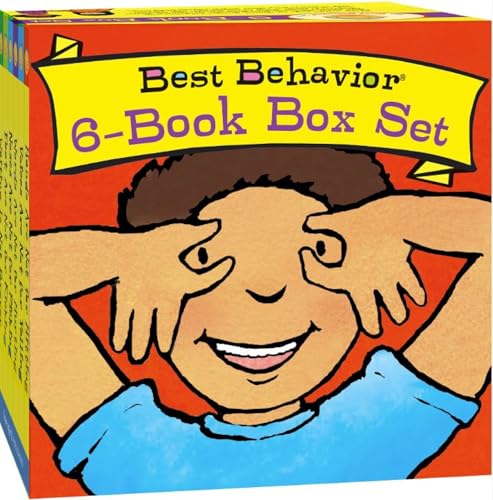
1.Free Spirit Publishing Behavior Box Set
Six books help children learn about hitting, kicking, yelling and more

2.LITTLE, BROWN The Color Monster Story
A story helps children recognize and understand their emotions

3.Harper Paperbacks How Emotions Are Made
Explains how brain, body and culture work together to shape feelings

4.Harvest Tiny Humans, Big Emotions Guide
Guidance for navigating tantrums, meltdowns and defiance in kids

5.Sourcebooks, Inc. My Calm Down Book
Sensory activities help kids calm their bodies when emotions feel big

6.Undercover Publishing Stop Letting Everything
Learn to break free from overthinking, emotional chaos and sabotage

7.Penguin The Rabbit Listened Picture Book
A gentle story shows how listening comforts children with big feelings
1. Free Spirit Publishing Behavior Box Set
Free Spirit Publishing’s Best Behavior 6-Book Box Set gives young readers six short books about everyday behavior and feelings. The titles cover hitting, kicking, yelling, waiting, hurtful words and nose picking, offering families several topics to discuss together.
The set focuses on actions children may need help understanding and managing. Each book addresses one behavior, so caregivers can choose a topic that fits a conversation, or read different titles over time.
The six books are “Hands are Not for Hitting,” “Feet are Not for Kicking,” and “Voices are Not for Yelling.” They give the collection a clear focus on physical actions and speaking, rather than grouping every subject into one volume.
Waiting is Not Forever” adds a topic about handling delays, while “Words are Not for Hurting” addresses how speech affects others. “Noses are Not for Picking” rounds out the set with another everyday habit children may discuss with an adult.
Together, the books cover several common situations in one purchase, which can make it easier for families to keep relevant reading close at hand. The set weighs about 3.4 pounds, so it is a substantial collection to store or carry.
This box set suits caregivers looking for children’s books that open conversations about feelings, behavior and daily habits. The available details do not specify reading level or age, so buyers may want to check whether the titles fit the child they have in mind.
- Six books cover varied behavior and feelings
- Separate titles focus on individual topics
- Includes waiting and hurtful words topics
- No major cons
2. LITTLE, BROWN The Color Monster Story
For children sorting through big feelings, The Color Monster: A Story About Emotions offers a picture-book format built around emotions. Its title points to feelings as the subject, making it a book for families who want to talk with young readers about what they feel.
The picture-book format gives the story illustrations alongside its words, so children can follow the book visually as well as through reading. Families can share it aloud, while early readers can explore the pages at their own pace.
Its subject makes it relevant to conversations about emotions at home or during shared reading. Adults can use the story as a starting point for asking children how they feel, though the available product details do not describe particular activities or lessons in the book.
The book weighs about 1 pound, a manageable amount for holding during a reading session or carrying between rooms. Its page dimensions are about 10 by 11 inches, giving it a broad picture-book shape that leaves room for illustrations.
The listing identifies it as a picture book but provides no details about page count, age range, or specific feelings covered. Buyers looking for those specifics may want to check the book itself or the publisher’s listing before choosing it.
This title suits families and caregivers seeking a picture book about emotions to share with children. Its stated format and subject are the main buying details provided, so readers who want information about the story’s approach will need to look beyond this listing.
- Picture-book format supports shared visual reading
- Emotions-focused title suits family discussions
- About 1-pound weight is easy to carry
- Listing gives no age range or page count
3. Harper Paperbacks How Emotions Are Made
How Emotions Are Made examines how the brain, body and culture shape the emotions people experience. Its focus on emotion makes it a thoughtful choice for readers interested in how feelings develop and take meaning.
The book’s subtitle points to three parts of that account: the brain, the body and culture. Readers can consider how emotions connect to bodily processes as well as the situations and shared meanings around them.
Rather than treating emotions as a topic apart from everyday life, the book’s framing invites readers to think about how feelings relate to both physical experience and culture. That broad scope may suit readers looking for ideas to reflect on after reading.
This illustrated edition comes in a format that adds visual material to the text. At about 0.8 pounds, it is light enough to carry for reading on a commute or to keep close at hand.
The book measures about 8 inches tall, making it a portable choice for a nightstand, bag or bookshelf. Readers drawn to explanations of emotion through brain, body and culture may find this a fitting addition to their collection.
- Connects emotion with brain, body, and culture
- Illustrated format adds visual material
- Weighs about 0.8 pounds for portability
- No major cons
4. Harvest Tiny Humans, Big Emotions Guide
Caregivers looking for help with children’s emotions get a guide focused on tantrums, meltdowns and defiance. Tiny Humans, Big Emotions addresses children from infancy to age eight, making its age range relevant to families with babies, toddlers and young children.
The book centers on ways caregivers can navigate difficult emotional moments. Its focus on tantrums and meltdowns speaks to situations where a child’s feelings spill over into behavior, while its attention to defiance covers another common challenge in raising young children.
The title also points to emotional intelligence as a goal. For caregivers, that gives the book a broader focus than handling a single behavior: it connects everyday struggles with the longer-term aim of helping children understand and manage emotions.
Its stated age range runs from infancy through age eight, so the guide covers several early stages of childhood. Caregivers can consider whether that wide span fits their child’s current needs and the kinds of emotional challenges they want help navigating.
The available product details do not describe particular methods, exercises or chapter topics, so buyers should not expect a specific approach based on the listing alone. The book’s stated scope is clear, but the details here do not say how it handles each situation.
At about half a pound, it is relatively light to carry between home and other places where caregivers read. This guide suits caregivers of children from infancy to age eight who want a book centered on tantrums, meltdowns, defiance and emotional development.
- Covers emotional challenges from infancy to age eight
- Addresses tantrums, meltdowns, and defiance
- Connects behavior guidance with emotional intelligence
- No methods or chapter details in the listing
5. Sourcebooks, Inc. My Calm Down Book
For a child’s quiet corner, My Calm Down Book offers a sensory-focused way to explore calming their body. Its title points to an emotional skill-building activity, making it relevant to families looking for a book about managing feelings.
The book is designed to help kids calm their bodies, giving caregivers a starting point for talking about emotions and settling down. Children can use it as part of a quiet moment, while adults can read alongside them and discuss the calming theme.
Its sensory-book format sets it apart from a story title alone. That focus may suit families who want an emotional book centered on body awareness, rather than a general story about feelings.
The book weighs about 1.3 pounds, so it has some heft for its format. It measures about 9.5 inches tall, a size that can be handled during shared reading or kept with other children’s books.
The listing does not provide details about specific activities, materials, or age recommendations, so buyers may want to check the book’s content before choosing it. Its stated purpose is to help kids calm their bodies, which makes it a consideration for caregivers seeking a sensory approach to emotional learning.
Sourcebooks, Inc. publishes this title. It may suit families and caregivers looking for a sensory-focused book to support conversations about calming down and managing emotions.
- Sensory-book focus supports calming body awareness
- Helps kids explore ways to calm their bodies
- About 9.5 inches tall for shared reading
- Published by Sourcebooks, Inc., a named publisher
- Listing gives no activity or age details
6. Undercover Publishing Stop Letting Everything
Emotional resilience is the focus of Stop Letting Everything Affect You, a book about breaking free from overthinking, emotional chaos, and self-sabotage. It speaks to readers who want to respond to difficult feelings with more care and less reactivity.
The title points to three connected struggles: thoughts that keep circling, emotions that feel hard to manage, and habits that get in your own way. Together, these themes make the book relevant to people looking for guidance on emotional self-understanding.
Its compact paperback-style dimensions are about 5 by 8 inches, and it weighs about 0.4 pounds. That makes it easy to carry in a bag or keep nearby for reading at home.
The product details do not list a format, page count, exercises, or a specific method, so buyers looking for those details may want to check the listing before deciding. Still, its subject makes it a possible fit for readers seeking a book centered on emotional challenges.
This book may suit people who want to reflect on overthinking and self-sabotage, especially if they prefer a title that addresses emotional struggles directly.
- Targets overthinking and emotional chaos
- Offers guidance on breaking self-sabotaging habits
- Compact size makes it easy to carry and read
- No major cons
7. Penguin The Rabbit Listened Picture Book
Penguin publishes The Rabbit Listened, an illustrated picture book for readers looking for an emotional story. Its picture-book format makes it a choice to consider for shared reading, while the title places a rabbit at the center of the book.
The listing identifies it as both illustrated and a picture book. Those formats suit readers who enjoy stories told through pictures as well as words, and they can work well for reading together or browsing independently.
The title suggests a story centered on listening, but the available product details do not describe its plot or themes. Readers choosing a book for a particular emotional subject may want to check the story description before deciding.
Its listed color is white, though the specifications do not say whether that refers to the cover or another part of the book. The book weighs about 2.3 pounds, so it is easier to keep on a shelf or table than to carry around as a lightweight paperback.
No age range, page count, or binding type appears in the provided details, so buyers who need those specifics should verify them before ordering. The Rabbit Listened suits readers seeking an illustrated picture book for a shared reading shelf, especially those drawn to its listening-centered title.
- Illustrated picture-book format suits shared reading
- About 2.3 pounds for shelf or table storage
- No major cons
How to Choose the Best Emotional Books
Choosing an emotional book means matching its reading level and purpose to the person who will use it. Age, subject, format, reading style, and price all shape whether a book fits a child, caregiver, or adult reader.
| If You Need | Look For | Expect |
|---|---|---|
| A book for young children | Short text, clear pictures, familiar situations | Simple ideas, limited detail |
| Help naming feelings | Emotion words, examples, discussion prompts | Conversation, not instant change |
| Support with behavior | Practical steps, specific challenges | Advice that needs caregiver follow-through |
| A calming activity | Sensory features, sturdy construction | More weight and less portability |
| Advice for caregivers | Relevant age range, usable strategies | More reading than a picture book |
| An adult self-help read | Clear focus, practical exercises | Self-directed effort |
| A gift or shared reading | Format, size, handling needs | Larger books cost more to ship |
Intended Reader and Age
Age guidance shapes vocabulary, examples, and how much support a reader needs, so start by identifying who will read the book. A picture book for a young child serves a different purpose from advice written for adults or caregivers.
For children, look for short sentences, familiar situations, and pictures that help explain feelings. Babies and toddlers need an adult to read and interpret ideas, while early school-age children can follow more of the story themselves.
Caregiver guides may cover a broad age range, but broad coverage does not guarantee that every chapter fits your child. Look for the ages named in the description and see whether they match your child’s current needs.
For adult readers, consider whether the writing assumes prior knowledge of psychology or focuses on everyday language. A detailed discussion of emotions and the brain suits readers seeking explanation, while a practical guide may better suit someone seeking steps.
Main Topic and Goal
Emotional books cover different needs, including naming feelings, managing outbursts, responding to hurtful behavior, and understanding personal patterns. Choose the main issue you want to explore, since a book cannot address every emotional challenge in depth.
A focused children’s story often gives one situation room to make sense, such as waiting, anger, or listening. That narrow focus is useful for a specific conversation, but it may not offer wider advice for other problems.
Caregiver books typically discuss responses to tantrums, meltdowns, or defiance, while adult self-help books address concerns such as overthinking. Read the stated subject carefully, then decide whether you want a story, an explanation, or practical guidance.
Consider the outcome you expect: a book can introduce language and ideas, but it cannot replace personalized professional help when serious distress persists. For a child, choose material that supports conversation rather than promising to change behavior on its own.
Format and Reading Style
Picture books rely on illustrations and concise text, which helps younger readers follow an emotional situation without long explanations. They also suit shared reading, where an adult can pause and talk about what a character feels.
Illustrated nonfiction combines written explanation with visual material, while a standard advice book usually asks for more sustained reading. If you prefer short sessions, review the sample pages or contents for clear sections and manageable chapters.
A sensory book adds a hands-on element intended to support calming, but that format differs from a story or advice guide. Consider whether the reader enjoys tactile activities and whether an adult will be nearby to guide use.
A boxed collection offers several related titles in one purchase, which can cover multiple recurring situations. It costs more upfront and takes more storage space, so it suits families or settings that expect to revisit several topics.
Practical Use and Interaction
Decide whether you want a book to read aloud, discuss, use as a reference, or revisit during a difficult moment. A story works well for shared conversations, while a caregiver guide is more suited to reading outside a stressful moment.
Look for prompts, concrete examples, or exercises if you want help turning ideas into action. Their presence does not ensure an approach will fit your family, so favor suggestions that respect the child’s age and temperament.
Sensory activities need to be easy to reach and suitable for the reader’s abilities. Consider whether the child can use them safely and whether the book’s instructions explain how a caregiver can support the activity.
For repeated use, choose a topic connected to an ongoing need rather than a one-time curiosity. A focused title is easier to bring into a specific conversation, but a broad guide may offer more context across situations.
Reading Level and Tone
A book’s tone affects whether a child feels understood or judged, especially when it discusses difficult behavior. Look for language that names actions clearly while treating feelings as understandable, rather than labeling the child as bad.
For adults and caregivers, plain explanations make advice easier to use during busy routines. If the description emphasizes brain science or cultural influences, decide whether you want that deeper context or prefer direct strategies.
Illustrations can make an abstract feeling easier for a child to discuss, but the pictures and wording should suit the reader’s maturity. Preview sample pages when possible to see whether the emotional language feels accessible and respectful.
Size and Handling
Dimensions affect where a book fits and how comfortably someone can hold it during reading. Larger picture books offer room for artwork, but they take more shelf space and may be awkward for small hands.
Weight matters when children carry books between rooms or bring them along for outings. A heavier volume may feel steady during shared reading, while a lighter one is easier to pack and manage.
For a sensory or frequently handled book, consider its construction and whether its size suits the reader. Product listings may provide dimensions and weight, but they do not always describe durability, so look for clear binding and material details.
Price and Value
Price often reflects format, number of books, illustrations, or specialized content, rather than how well a title fits your needs. A single picture book usually costs less than a collection or a detailed advice guide.
Paying more makes sense when you will use several titles, need a particular format, or expect to return to the guidance often. A lower-priced book may be enough for one discussion or a first introduction to a topic.
Compare what is included with your intended use, not just the cover price. A box set has more reading material but requires more storage, while a focused book may offer better value for one specific concern.
Availability and Edition
Before ordering, confirm the edition and format shown in the listing, since print, illustrated, and digital versions can differ in layout and ease of use. A child who relies on pictures may need a physical illustrated edition.
Descriptions sometimes give weight, dimensions, or age guidance but omit details that matter to your plans. Review the seller’s edition information and return terms, especially when buying a gift or choosing a book for a classroom.
If you need the book by a certain date, factor in delivery estimates and the availability of the preferred format. A substitute edition might not suit the reader’s needs, so allow time to confirm what will arrive.
Frequently Asked Questions
Which book is best for helping a child recognize and name emotions?
The Color Monster Story helps children recognize and understand their emotions. The Rabbit Listened Picture Book may be a better fit if you want a gentle story about how listening can comfort a child.
What should I choose for a child who has tantrums or meltdowns?
Tiny Humans, Big Emotions Guide offers guidance for navigating tantrums, meltdowns, and defiance. My Calm Down Book is another option, with sensory activities to help kids calm their bodies.
What comes in the Free Spirit Publishing Behavior Box Set?
It includes six books that help children learn about behaviors such as hitting, kicking, and yelling.
Are these books meant only for children?
No. Most focus on children’s feelings and behavior, while How Emotions Are Made explains how the brain, body, and culture work together to shape feelings. Stop Letting Everything is aimed at breaking free from overthinking, emotional chaos, and self-sabotage.
How can I help a child calm down when emotions feel big?
My Calm Down Book uses sensory activities to help kids calm their bodies. The Rabbit Listened Picture Book offers a gentle story centered on the comfort of listening.
Which should I pick: How Emotions Are Made or Stop Letting Everything?
Choose How Emotions Are Made for an explanation of how feelings are shaped by the brain, body, and culture. Choose Stop Letting Everything if your focus is overthinking, emotional chaos, and self-sabotage.
Which book is suited to teaching children about challenging behaviors?
The Free Spirit Publishing Behavior Box Set addresses hitting, kicking, yelling, and more across six books. Tiny Humans, Big Emotions Guide focuses on navigating tantrums, meltdowns, and defiance.
So, What Should You Buy?
For most families, *The Color Monster Story* is a welcoming starting point for helping children recognize and understand emotions. Choose the Behavior Box Set for practical help with challenging behaviors, *My Calm Down Book* for sensory activities, or *The Rabbit Listened* for a gentle story about comfort.
Caregivers seeking guidance on tantrums may prefer *Tiny Humans, Big Emotions Guide*, while adults can turn to *How Emotions Are Made* or *Stop Letting Everything* for deeper perspectives. Pick the book that fits your needs and feel confident moving forward.