

Divorce books can offer steady guidance as you sort through changing routines, difficult conversations, and unfamiliar decisions. Friends and online advice may help, but they can’t always explain the legal, emotional, and practical questions that shape this transition.
For clearer support, a divorce book brings expert perspectives and useful exercises to your own pace. It can help you understand common feelings, prepare questions for a lawyer, and plan next steps without relying on scattered advice or trying to work everything out alone.
Many books include reflection prompts that help you name priorities, while practical checklists organize paperwork and daily tasks. Guidance on co-parenting, finances, and rebuilding confidence can make each subject easier to approach, so you can focus on what matters now.
Books vary in tone, depth, and focus, so consider whether you want emotional support, practical planning, or both. Explore the best divorce books for women below to find guidance that suits your situation.
7 Best Divorce Books for Women Reviews

1.Gallery Books Unhitched Divorce Guide
Practical advice helps women navigate divorce and plan what comes next
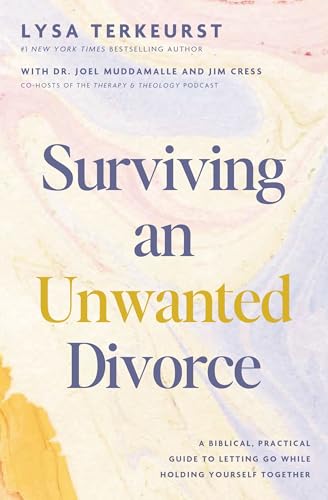
2.Thomas Nelson Surviving an Unwanted Divorce
Biblical, practical guidance helps you let go and hold yourself

3.Good Book Co This Was Never the Plan Guide
Walk with God through divorce heartache toward healing, hope and

4.New Harbinger Publications Splitting
Learn how to protect yourself while divorcing a difficult partner

5.Harmony Books Conscious Uncoupling 5 Steps
Five steps help you live happily even after the end of a relationship

6.W PUBLISHING GROUP Divorce Care Guide
Find hope, help and healing during divorce and in the days that follow

7.Majosta Women's Divorce Guide and Toolkit
Gain clarity and build strength to thrive after divorce and start anew
1. Gallery Books Unhitched Divorce Guide
Unhitched: The Essential Divorce Guide for Women is a book for women seeking guidance through divorce. Its title identifies the subject and audience, making it a focused choice for readers who want a divorce guide written for women.
The title presents it as an essential guide, but the available product information does not describe its advice, chapters, or approach. Buyers should check the book’s contents or other reader information if they want to know which parts of divorce it covers.
The listing names Gallery Books as the brand. It does not provide details about the author, publication date, format, or edition, so those points are worth confirming before purchase if they matter to your choice.
At about 1.1 pounds, the book has a manageable listed weight for reading at home or carrying along. Its listed size is 6 by 9 inches, a familiar book format that can fit on a shelf or in a bag.
No additional features appear in the supplied listing. The title alone makes its intended readership clear, but readers looking for specific guidance on legal, financial, or emotional concerns may want to verify that the book addresses those topics.
For women comparing divorce books, this is a subject-specific option with a clear audience and a straightforward book format. It may suit readers who want a guide centered on women’s experiences, provided the book’s contents match the support they need.
- Focuses specifically on divorce guidance for women
- Manageable weight of about 1.1 pounds
- 6-by-9-inch format fits common book shelves
- Listing gives no details about its advice
2. Thomas Nelson Surviving an Unwanted Divorce
For readers seeking faith-based guidance through an unwanted divorce, this book centers on letting go while keeping a sense of personal steadiness. Its title signals a practical approach grounded in biblical perspective, aimed at women navigating the end of a marriage.
The focus on letting go may speak to readers trying to move forward while still managing the emotional demands of divorce. Rather than presenting itself as a general relationship guide, the book addresses the experience of an unwanted separation directly.
Its biblical framing gives the subject a faith-centered angle for readers who want spiritual perspective alongside practical guidance. That combination may help women consider both the personal changes involved and the role their beliefs play during this transition.
The title also emphasizes holding yourself together, which points to coping with the strain of a major life change while making room for the process of moving on. Readers looking for a book that names both aims may find its focus relevant.
At about 8.3 inches tall, this book has a compact paperback-sized format that can fit easily on a shelf or in a bag. It weighs about 0.6 pounds, so carrying it alongside other reading material should add little weight.
The available details do not specify the book’s chapter structure or particular exercises. Its stated subject and approach, however, make it most relevant to women facing an unwanted divorce who want practical guidance shaped by biblical perspective.
- Biblical perspective adds a faith-centered approach
- Addresses letting go after an unwanted divorce
- Combines practical guidance with spiritual framing
- No major cons
3. Good Book Co This Was Never the Plan Guide
Practical Christian guidance gives this book its focus, offering women a faith-based way to think through divorce and separation. Its title points to healing, hope, and strength as the main themes.
The book centers on walking with God through the heartache of divorce. Readers looking for a Christian perspective can turn to it for guidance shaped around faith during a difficult change.
Its subject is specific: it addresses divorce and life after separation rather than general relationship advice. That focus may suit women who want a book aimed at this stage of life.
The available details do not describe particular exercises, chapters, or counseling methods, so buyers should not expect a specific format based on the listing alone. It weighs about 0.5 pounds, making it a light paperback-sized book to carry or keep nearby.
For women who want Christian themes woven into a guide to healing after separation, this book is a focused option. Its appeal depends on whether faith-based support matches what the reader wants from a divorce book.
- Christian guidance focuses on divorce and faith
- Covers healing, hope, and strength after separation
- Light at about 0.5 pounds for carrying
- Listing gives few details about its approach
4. New Harbinger Publications Splitting
Readers dealing with a spouse who has borderline or narcissistic personality disorder may find a focused divorce resource in *Splitting*. Its title centers on protecting yourself while divorcing a partner with either condition, setting it apart from broader books about ending a marriage.
That specific focus may help women looking for material about the challenges named in the title. The book addresses divorce in the context of borderline or narcissistic personality disorder rather than presenting itself as a general guide to separation.
New Harbinger Publications publishes the book. Its subject makes it relevant to readers who want a book centered on this particular relationship dynamic as they consider divorce-related decisions.
The book weighs about 2.3 pounds, so it is a substantial volume to carry. Its listed size is 6 inches wide and 9 inches tall, a familiar book format for reading at home or taking along.
The listing provides no further details about the book’s contents, format, or included resources. It may suit women seeking a narrowly focused title on divorce involving a spouse with borderline or narcissistic personality disorder, rather than readers seeking a broad divorce handbook.
- Focuses on divorce involving two named disorders
- Centers on protecting yourself during divorce
- Published by New Harbinger Publications
- Listing gives few details beyond the title
- Weighs about 2.3 pounds to carry
5. Harmony Books Conscious Uncoupling 5 Steps
For readers choosing a divorce book, *Conscious Uncoupling: 5 Steps to Living Happily Even After* focuses on the transition beyond a relationship. Its title points to a five-step approach to moving forward after a breakup.
The book’s title also makes its focus clear: finding a way to live happily after a relationship ends. That makes it relevant to women seeking guidance centered on life after divorce.
Harmony Books publishes this teal/turquoise green edition. Its 5-step format gives readers a defined structure to consider as they work through the changes that follow a separation.
At about 2.3 pounds, it is heavier than a slim paperback, so it may feel less convenient to carry around. The book measures about 8 inches tall, making it a standard-sized volume for reading at home.
The available product details do not list chapter contents or additional topics, so buyers looking for a particular kind of advice may want to check the book’s full description first. It suits women who want a divorce-focused read about rebuilding happiness after a relationship ends.
- Five steps give readers a clear structure
- Focuses on life and happiness after separation
- Standard 8-inch height suits home reading
- About 2.3 pounds may feel heavy to carry
6. W PUBLISHING GROUP Divorce Care Guide
Paperback format gives Divorce Care its practical starting point for women seeking a book about life during and after divorce. Its title frames the subject around hope, help, and healing, making it relevant to readers looking for support through both the breakup and its aftermath.
The book’s focus covers two stages of that experience: dealing with divorce and adjusting to life afterward. That broad scope may suit readers who want one resource to turn to across more than just the immediate separation.
Its paperback format weighs about 0.9 pounds, making it manageable to carry between home, work, or a support group. The compact book is about 8 inches tall, so it can fit on a shelf or in a bag without taking up much room.
The title does not specify a religious perspective, a particular divorce situation, or the book’s structure. Readers who want advice tailored to a specific legal, financial, or personal circumstance may need to check the book’s contents before choosing it.
This paperback may suit women who want a portable book focused on finding support during divorce and moving forward afterward.
- Covers both divorce and life afterward
- Paperback weighs about 0.9 pounds
- Compact format is easy to carry
- Title gives no detail on its approach
7. Majosta Women’s Divorce Guide and Toolkit
Majosta presents a divorce guide for women who want help making sense of a major life change. Its title describes a toolkit aimed at gaining clarity, building strength and finding a way forward after divorce.
The book focuses on the period after a marriage ends, rather than divorce law or court procedures. Its stated aim is to help readers consider what comes next and approach a new beginning with greater confidence.
For someone sorting through changes in identity, priorities or daily life, the guide’s focus on clarity may offer a starting point for reflection. The title also points to building strength, a useful theme for readers who want to regain a sense of direction.
The book frames post-divorce life as a chance to move forward, not just a subject to revisit. Readers looking for a women-focused resource about rebuilding after separation may find that emphasis relevant to their needs.
Its physical format measures about 9 inches tall, with a listed depth of about 6 inches. That size gives the book a standard, portable format for reading at home or taking along.
The available listing does not describe specific exercises, chapters or professional guidance, so buyers seeking those details may want more information before choosing it. As our final pick, it suits women looking for a guide centered on clarity, resilience and life after divorce.
- Focuses on clarity and strength after divorce
- Centers on women's post-divorce experiences
- Portable book format for reading at home
- No major cons
How to Choose the Best Divorce Books for Women
Choosing a divorce book is personal: your needs may shift from emotional support to practical decisions or rebuilding life afterward. Consider its approach, stage, format, and price so the guidance fits your situation and feels usable.
| If You Need | Look For | Expect |
|---|---|---|
| Emotional support | Grief, coping, and healing guidance | Less focus on legal steps |
| Faith-based guidance | Religious perspective and practical advice | A viewpoint shaped by faith |
| Separation planning | Clear steps and decision support | More structured reading |
| Difficult relationship dynamics | Safety and boundary guidance | A narrower subject focus |
| Life after divorce | Rebuilding and future planning | Less attention to immediate paperwork |
| Easy carrying | Compact size and lower weight | Smaller print or fewer pages |
Fit With Your Situation
Start with the problem you need help with now, because divorce books often focus on different stages. A reader facing separation may want immediate coping advice, while someone farther along may need support rebuilding routines and confidence.
Look for a clear match between the book’s stated subject and your circumstances, such as unwanted divorce, faith-based reflection, or high-conflict relationship dynamics. A focused guide offers relevant detail, but it may not cover every part of divorce.
If your needs are broad, choose a book that addresses several stages or offers a toolkit-style structure. That wider scope saves you from switching books, though it may give less depth on any single issue.
Practical Help
Decide whether you want comfort, concrete actions, or both, because these serve different needs. Emotional support can help you feel less alone, while practical exercises and steps give you something specific to do between reading sessions.
Look for examples, reflection prompts, checklists, or clearly explained steps when you want to apply ideas. A framework suits readers who prefer an order to follow, while open-ended discussion may suit those who need room to reflect.
For urgent legal, financial, or safety decisions, a general book is not a substitute for qualified advice. Use it to prepare questions and organize thoughts, then seek a lawyer, counselor, or local support service as needed.
Emotional Approach
A divorce book’s tone affects whether you keep reading, especially when concentration is low. Some readers want gentle reassurance; others prefer direct language and tasks that help them make decisions and regain a sense of control.
Read the description or sample pages for language that feels respectful rather than blaming or pressuring. A book that allows grief and uncertainty may suit a difficult transition better than one that expects quick acceptance or a fixed outcome.
Faith-based guidance is useful when religious beliefs are central to how you understand marriage and separation. If that perspective does not fit your beliefs, a secular approach is more likely to feel relevant and comfortable.
Subject Specialization
Some books address a particular relationship pattern or challenge, while others cover divorce more broadly. A specialized guide can offer focused strategies, but it will be less useful if its central issue is not part of your situation.
For high-conflict dynamics, look for practical discussion of boundaries, communication, and personal safety. No book can assess another person or replace professional help, so treat guidance as information rather than a diagnosis.
Broad guides may cover emotional recovery, practical choices, and life afterward in one place. Their range helps when your needs are changing, but readers seeking detailed help with one specific problem may need a more focused resource.
Reading Format
Choose a format that fits how you prefer to use advice, because a book that is easy to revisit is more useful during stressful periods. Narrative guidance suits readers who want a continuous read, while prompts support active reflection.
A step-by-step structure helps when you want to work through one issue at a time. However, a fixed sequence may feel less suitable if your needs change quickly or you prefer to read only the relevant sections.
Look for a contents page, chapter descriptions, or a sample when available, since these reveal how the material is organized. Short sections and clear headings help readers who have limited time or find long stretches difficult.
Scope and Timing
Consider whether you need help during separation, through the divorce process, or after it ends. A book focused on healing afterward may not answer immediate questions, while a guide for the current transition may offer little long-term planning.
Some readers benefit from one resource that spans several stages, especially when circumstances are still unfolding. Others do better with a focused book for their present concern, then choose another later as priorities become clearer.
Do not expect one book to cover every legal, financial, parenting, and emotional issue in depth. Match its scope to your main need, and use qualified professionals for decisions with lasting consequences.
Size and Portability
Book size and weight affect where and how comfortably you read, particularly if you carry it to appointments or travel. A compact, lighter paperback is easier to bring along, while a larger volume may feel less portable.
If you expect to read at home and keep the book nearby, portability may matter less than readable print and page layout. Product dimensions give a useful guide, but they do not reveal font size or spacing.
Consider whether you prefer a physical book for marking passages or a digital edition for adjustable text and easy storage. Digital formats depend on a suitable device, while print copies need space and can be harder to carry.
Price and Value
Lower-priced books often suit readers seeking a focused introduction or a straightforward source of support. Compare the stated subject and format rather than assuming a higher price means more useful guidance for your situation.
Paying more is worthwhile when the added scope, exercises, or detailed coverage fits a need you have. If you only want reassurance on one issue, a broader or longer book may add cost without adding useful support.
Also consider whether you will revisit the book, share it, or use its prompts over time. A format that supports repeat reading may offer better value than a cheaper option that does not fit your reading habits.
Professional Support
Books offer information and reflection, but they cannot provide personal legal advice, therapy, or crisis support. For custody, finances, housing, or safety concerns, seek help from qualified local professionals who understand your circumstances.
If reading brings up intense distress, pause and reach out to a trusted person or mental health professional. A supportive book should complement real-world help, not leave you relying on pages alone.
When a book’s guidance conflicts with advice from a professional familiar with your case, ask that professional how to apply it. Your situation deserves guidance tailored to its details, not a one-size-fits-all answer.
Frequently Asked Questions
Do these divorce books require a subscription or special equipment?
No. These are books and guides for reading; choose a print or digital edition based on the format offered by the seller.
What materials and build should I expect?
The list includes books and guides, but the details here don’t specify binding, paper, or other construction materials. Check the edition listing for those details.
What comes with the Majosta Women’s Divorce Guide and Toolkit?
Its main feature is guidance to gain clarity, build strength, and start anew. The listing details provided don’t specify the toolkit’s individual contents.
Should I choose Unhitched or Splitting?
Choose Unhitched for practical advice on navigating divorce and planning what comes next. Splitting focuses on protecting yourself while divorcing a difficult partner.
Which book is best for faith-based support?
Surviving an Unwanted Divorce offers biblical and practical guidance for letting go and holding yourself together. This Was Never the Plan also centers on walking with God through heartache toward healing and hope.
Which books focus on healing after the relationship ends?
Conscious Uncoupling presents five steps for living happily after a relationship ends, while Divorce Care offers hope, help, and healing during divorce and afterward.
How can I choose a book for my situation?
Match the book’s focus to your needs: practical next steps, faith-based support, protection during a difficult divorce, or healing and rebuilding afterward.
So, What Should You Buy?
For most readers, Gallery Books Unhitched Divorce Guide is the best starting point, thanks to its practical advice for navigating divorce and planning what comes next. If faith-based support matters, choose Thomas Nelson Surviving an Unwanted Divorce or Good Book Co This Was Never the Plan Guide; for help divorcing a difficult partner, consider New Harbinger Publications Splitting.
Readers seeking a structured path forward may prefer Harmony Books Conscious Uncoupling 5 Steps, while W PUBLISHING GROUP Divorce Care Guide focuses on hope and healing. For clarity and strength to begin anew, pick Majosta Women’s Divorce Guide and Toolkit. Choose the guide that best fits your needs.