

Cryptozoology books bring tales of elusive creatures, reported sightings, and the search for evidence into your everyday reading. Without a dedicated book, you may rely on scattered online posts, where context can be thin and claims hard to compare with accounts from other sources.
For a clearer path through the subject, a cryptozoology book gathers stories and research in one place. You can follow reports about creatures such as Bigfoot or the Loch Ness Monster, learn how investigators assess evidence, and explore the history behind enduring mysteries.
Many books include eyewitness accounts, maps, photographs, and notes on folklore or scientific debate. These details help you compare different explanations, understand why a mystery persists, and enjoy a more thoughtful read than a quick online search allows.
Books vary in tone, depth, and focus, from accessible overviews to detailed investigations, so your choice depends on what interests you. Explore the best cryptozoology books below to find a compelling read for your curiosity.
7 Best Cryptozoology Books Reviews

1.Touchstone Cryptozoology A to Z Encyclopedia
Explore accounts of Loch monsters, Sasquatch, chupacabras and more

2.Quirk Books The United States of Cryptids
Tour American myths and monsters through stories from every state

3.The Real Art of Cryptozoology Historical Art
Historical artwork tells the stories behind cryptids and monsters
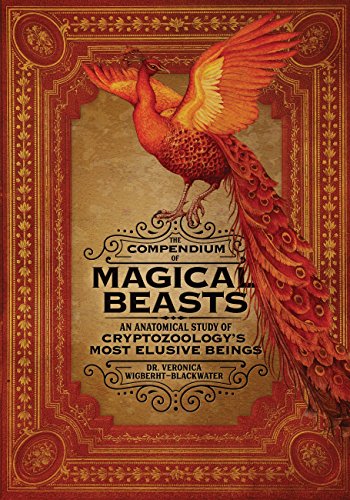
4.The Compendium of Magical Beasts
Anatomical studies explore cryptozoology's most elusive magical beasts

5.Cryptids and Cryptozoology: Spine-Chilling
Explore stories, history, trivia and facts about legendary beasts

6.World Encyclopedia of Cryptids Visual Field
A visual field guide covers creatures, monsters and the supernatural

7.McFarland Encyclopedia of Cryptozoology
Explore hidden animals worldwide and the people who pursue them
1. Touchstone Cryptozoology A to Z Encyclopedia
Touchstone’s Cryptozoology A to Z gives readers a reference guide to creatures and unexplained animals, from Loch monsters and Sasquatch to chupacabras. Its encyclopedia format suits people who want to explore many cryptozoology subjects in one book.
The title also points to other mysteries of nature, so the entries reach beyond the best-known creatures. Readers can use the book to look up a particular legend or browse unfamiliar topics, making it useful for both focused research and casual discovery.
The illustrated format adds images to the reference material, giving readers another way to engage with the subjects. That can help break up browsing across a wide range of entries, whether you open the book to a familiar creature or a mystery you have not encountered before.
At about 2.3 pounds, it has some heft for a book you might carry around, but it can still sit on a desk or shelf as a home reference. Its roughly 9-inch-tall format offers a book-sized footprint for reading and storage.
Cryptozoology A to Z is a fit for readers who enjoy folklore, reports of unusual creatures and natural mysteries. It may also suit anyone looking for an illustrated reference to dip into over time, rather than a book focused on just one creature or legend.
- Covers Loch monsters, Sasquatch and more
- Illustrated format adds visual reference
- Encyclopedia format spans many mysteries
- Weighs about 2.3 pounds to carry
2. Quirk Books The United States of Cryptids
For readers drawn to American folklore and legendary creatures, Quirk Books’ cryptozoology title offers a book about the myths and monsters associated with the United States. Its subject makes it a fit for a cryptozoology shelf focused on reported or imagined beings from American stories.
The title frames the book as a tour, pointing to a broad look at American myths and monsters rather than a guide to just one creature. Readers interested in how legendary beings appear across the country may value that wide-ranging premise.
Cryptozoology readers can use it to explore the folklore behind creatures that occupy the space between local legend and accounts of mysterious animals. The available product details do not name specific cryptids, so buyers should not expect a particular creature or region based on the listing alone.
The listing also does not specify illustrations, maps, research methods or chapter structure. Readers who want those details before buying may need to check the book’s contents or another listing, while the title itself establishes its American focus.
At about 1.2 pounds, the black book is a manageable size to hold or carry between home and a library. Its listed format is about 8 inches tall, making it a conventional-sized physical book rather than a pocket reference.
This title suits readers who want an American-focused addition to a cryptozoology collection and are comfortable choosing from its subject and premise, since the listing gives few details beyond the title.
- Covers American myths and monster lore
- Takes a broad, countrywide subject approach
- Manageable book weight of about 1.2 pounds
- Listing gives few details on contents
3. The Real Art of Cryptozoology Historical Art
Historical artwork is the starting point for this cryptozoology book, which pairs images with stories about cryptids, mythical creatures and legendary monsters. That combination gives readers both visual material and background on the creatures behind the illustrations.
The book focuses on historical artwork rather than presenting only creature accounts. Its stories add context to the images, making it a fit for readers curious about how legendary beings have appeared in art and lore.
Its subject ranges from cryptids to mythical creatures and legendary monsters, so readers can explore several kinds of beings in one book. The title also points to a history-minded approach, with artwork and stories as its central elements.
At 11 inches tall, the book has a large page format for viewing its historical illustrations. Its listed dimensions make it a relatively slim volume, which may suit readers who want an art-focused book without a bulky spine.
This book suits cryptozoology readers who enjoy historical images alongside stories about unusual and legendary creatures. It may also interest readers looking for a visual introduction to the subject, though the listing does not give details about its specific illustrations or story coverage.
- Combines historical artwork with creature stories
- Covers cryptids, mythical beings and monsters
- 11-inch height gives artwork room to show
- Listing gives no details on artwork or stories
4. The Compendium of Magical Beasts
Readers curious about legendary creatures get an illustrated-style anatomical study of cryptozoology’s most elusive beings in The Compendium of Magical Beasts. Its subject makes it a focused choice for people who want to explore the creatures behind cryptozoological lore.
The title points to an unusual approach: examining magical beasts through anatomy. That angle gives the book a specific subject for readers interested in how these beings might be described and understood, rather than a general overview of cryptozoology.
Its focus on elusive beings also makes it suited to browsing by creature or topic. Readers can turn to it for a closer look at the strange animals that appear in cryptozoological accounts, or keep it on hand as a reference for that subject.
Workman Publishing is the publisher. The book weighs about 1.6 pounds, so it can be carried between a desk, a reading chair or a shelf without the heft of a large reference volume.
At about 10 inches tall, the book has a useful shelf-friendly format while leaving room for its anatomical subject matter. Its title signals a specialized treatment, which may appeal more to readers seeking creature-focused material than to those looking for a broad introduction.
This book suits cryptozoology readers who enjoy exploring legendary beasts through an anatomical lens. Its defined topic and manageable weight make it a considered option for curious readers and collectors of books about mysterious creatures.
- Focuses on elusive beings in cryptozoology
- Examines magical beasts through anatomy
- Weighs about 1.6 pounds for easy handling
- No major cons
5. Cryptids and Cryptozoology: Spine-Chilling
Cryptid tales fit the shelf or screen well as a Kindle eBook about Bigfoot, the Yeti, the Loch Ness Monster and other legendary beasts. Cryptids and Cryptozoology brings together stories, history, trivia and facts for readers interested in creatures that remain part of legend.
Bigfoot and the Yeti give the collection two well-known subjects, while the Loch Ness Monster adds a legendary beast tied to a specific place. The title also points to other creatures, so readers get a broader range of cryptid subjects than those three alone.
Stories offer a narrative way into the topic, while history gives the subject a factual angle. Trivia and facts add shorter pieces of information, making the collection suitable for browsing as well as reading from beginning to end.
The book’s mix of stories and reference-style material may appeal to readers who want more than creature tales alone. Its focus stays on cryptids and cryptozoology, rather than presenting itself as a general collection of myths or folklore.
This edition comes in Kindle eBook format, so it suits readers who prefer digital books. The available details do not specify the collection’s length, illustrations or how deeply it covers each creature, so buyers looking for those details may want to check the listing before choosing it.
Cryptids and Cryptozoology suits readers who enjoy legendary-beast stories and want a digital collection that combines tales with history, trivia and facts.
- Covers Bigfoot, the Yeti and Loch Ness
- Mixes stories, history, trivia and facts
- Includes other legendary beasts
- No major cons
6. World Encyclopedia of Cryptids Visual Field
The visual field guide format gives the World Encyclopedia of Cryptids a clear role among books about cryptozoology. Its title focuses on creatures, monsters and the supernatural, making it a choice for readers interested in reported and legendary beings.
The book’s 8.5-inch by 11-inch page size offers a broad area for illustrations and text. That larger page format may suit readers who want to examine visual material while learning about cryptids.
Its field-guide approach gives the subject a visual reference-book feel rather than framing it simply as a general overview. Readers looking into creatures associated with cryptozoology can use it as a guide to the topic named in the title.
The title also points to a wide supernatural scope, covering creatures and monsters alongside cryptids. That mix may interest readers who want a book that reaches beyond accounts of one kind of creature.
At about half an inch thick, the book has a relatively slim profile for a large-format guide. It can fit on a bookshelf with other reference books, while its wide pages provide room to explore the subject.
The listing does not provide details about the book’s contents beyond its title, so buyers looking for a particular creature or level of detail may want more information first. It best suits readers drawn to a visual guide about cryptids and related supernatural beings.
- Large 8.5-by-11-inch pages suit visual reference
- Covers cryptids, creatures, monsters and supernatural topics
- Slim, about half-inch-thick format for shelving
- No major cons
7. McFarland Encyclopedia of Cryptozoology
McFarland presents a global guide to cryptozoology, covering hidden animals and the people who pursue them. As a reference in the McFarland Myth and Legend Encyclopedias series, it gives readers a book focused on both the creatures and the searchers.
The subject makes it a fit for readers exploring reports of unknown animals across different parts of the world. Its worldwide scope can help put individual accounts alongside a broader look at cryptozoology and the people who investigate it.
The book’s title also points to two sides of the topic: hidden animals and their pursuers. That makes it relevant to readers interested not only in the creatures themselves, but also in the people who seek evidence of them.
At about 11 inches tall, it has a substantial reference-book format that leaves room for a wide-ranging guide. The listed dimensions give a sense of its size, while the specifications do not describe its page count or interior layout.
It weighs about 3 pounds, so it is more suited to reading at a desk or keeping on a shelf than carrying around all day. The available product details do not specify its binding, illustrations, or number of entries.
This is our final pick for readers who want a dedicated worldwide guide to cryptozoology and its investigators. It should suit curious readers and collectors of books on hidden animals, folklore, and the people who pursue those claims.
- Covers hidden animals and their pursuers
- Takes a global view of cryptozoology
- Part of McFarland’s Myth and Legend series
- No major cons
How to Choose the Best Cryptozoology Books
Choosing a cryptozoology book depends on whether you want a quick introduction, a visual browse, regional folklore, or a detailed reference. Scope, evidence, writing style, format, and price all shape what you’ll learn and how often you’ll return to it.
| If You Need | Look For | Expect |
|---|---|---|
| A broad introduction | Clear explanations and varied creatures | Less depth on each creature |
| A desk reference | Alphabetical entries and an index | Larger size and more weight |
| American folklore | Regional stories and place names | Narrower geographic coverage |
| Creature illustrations | Frequent images and captions | More visual space, fewer details |
| Historical context | Dates, sources, and changing accounts | Less emphasis on dramatic storytelling |
| Easy reading on the go | An eBook edition | Screen reading instead of printed pages |
Scope and Coverage
Start with the book’s range, because cryptozoology titles can focus on a single region, a handful of famous creatures, or reports from around the world. A broad scope suits curious readers, while a regional focus offers richer local context.
Look at the contents page or sample pages for the creatures and places covered. Familiar names such as Bigfoot and the Loch Ness Monster are common, so less familiar examples can make a book more useful for repeat browsing.
Some books also discuss people who investigate, record, or popularize creature reports. That wider view helps explain how claims develop, while a creature-only approach leaves more room for individual profiles.
Evidence and Framing
Cryptozoology covers folklore, reported sightings, disputed evidence, and animals that remain unidentified. Look for language that separates documented facts from witness accounts and speculation, so you can tell what kind of claim each entry makes.
A careful book explains where stories come from and notes when evidence is uncertain. This approach suits readers who want context; a dramatic, story-first treatment may be more entertaining but less useful for judging claims.
Notice whether the author treats legends as cultural history as well as possible animal reports. That balance helps readers interested in folklore, without presenting every traditional story as proof of an undiscovered species.
Depth and Organization
An encyclopedia or field-guide structure supports quick lookups, while a narrative collection is better for reading several stories in sequence. Choose based on whether you plan to browse, study, or read straight through.
For reference use, look for an index, a clear contents list, consistent entry headings, and cross-references. These features save time when you remember a creature’s name but not the chapter where it appears.
Short entries offer variety without demanding long reading sessions, but they usually provide less detail about each creature. Longer profiles suit focused research, though they take more time and may cover fewer subjects overall.
Images and Presentation
Illustrations can make creature descriptions easier to follow, especially when a book compares reported appearances or includes historical artwork. Check whether images appear throughout or only in a small central section.
Captions and notes help explain an image’s age, source, or connection to a particular account. Artwork without context can still add atmosphere, but it may not help you assess how a creature has been described over time.
Large pages give maps and illustrations more room, which suits visual browsing at home. They take up more shelf space, however, and can be less convenient for reading on a commute or holding one-handed.
Historical and Regional Context
A book with dates, locations, and source details can show how a report changed as it was retold. This is useful if you want to trace a legend rather than only collect creature descriptions.
For a regional guide, look for place names, local traditions, and links to the area’s history. These details make the stories easier to place, but a narrow geographic focus naturally leaves out accounts from elsewhere.
Historical artwork and older reports add perspective on how people imagined unusual beings in different periods. If this is your main interest, favor books that explain when the material comes from rather than simply reproducing it.
Writing Style and Audience
Read a sample before buying, if available, and notice whether the prose is accessible, academic, spooky, or conversational. A lively tone suits casual reading, while a more measured style often works better for study.
Some titles mix stories, trivia, and historical notes, creating variety for readers who prefer short sections. A research-minded reader may instead want fuller citations and a consistent structure, even if the book feels less fast-paced.
Consider who will read the book and how much background they have. Clear definitions and brief introductions help newcomers, while experienced readers may prefer less basic explanation and more detail on sources or competing interpretations.
Format and Reading Use
A printed book is easy to browse without a device, and illustrations often feel more natural at full page size. The trade-off is carrying and storing a physical volume, especially when it has large pages.
An eBook is convenient for travel and usually allows searching for names or terms. Screen size affects how illustrations and page layouts appear, so preview the digital edition if images are central to your choice.
For frequent reference, consider whether you prefer page tabs and a visible index or searchable text. Your reading habits matter here: a book used at a desk has different needs from one read in short sessions away from home.
Size and Handling
Physical dimensions and weight affect whether a book is comfortable to hold, carry, and store. Larger reference books often provide generous space for images and text, while lighter volumes are easier to take along.
A book around one to two pounds is generally easier to carry than a volume near three pounds, though page size and binding also affect handling. If you read in bed or on transit, favor a manageable format.
Check the listed dimensions against your shelf or bag, especially for oversized visual guides. A thin, wide book can still be awkward to store, while a thicker volume may be easier to stand upright.
Price and Value
Lower-priced options often offer a focused topic, shorter treatment, or digital convenience. They suit readers testing their interest, but may provide fewer illustrations, less coverage, or less depth than a substantial reference.
A higher price is more worthwhile when you expect to use the book repeatedly and it offers the scope, organization, image quality, or source detail you need. Compare those features rather than assuming cost signals accuracy.
Also consider whether you want one deep reference or several narrower books. A single broad volume saves space and browsing time, while specialized titles can provide richer treatment of regions, artwork, or individual themes.
Source Notes and Updates
Sources, bibliographies, and notes let you follow an account back to its origin and see whether it comes from a report, historical record, or later retelling. They are especially useful for readers doing further research.
Cryptozoology claims and folklore accounts can be disputed, so careful attribution is more valuable than confident wording alone. Look for references attached to specific claims, not just a general reading list at the back.
Finally, consider whether the book’s information suits your purpose. A richly illustrated overview can be a satisfying introduction, while a research project calls for clearer sourcing and fuller context.
Frequently Asked Questions
Which cryptozoology book is best for exploring creatures from around the world?
The Touchstone Cryptozoology A to Z Encyclopedia covers creatures such as Loch monsters, Sasquatch, and chupacabras, while the McFarland Encyclopedia of Cryptozoology explores hidden animals worldwide and the people who pursue them.
Are these books mostly text, or do some include artwork and visual guides?
The Real Art of Cryptozoology Historical Art focuses on historical artwork, and the World Encyclopedia of Cryptids Visual Field is presented as a visual field guide. The product descriptions don’t specify the format or number of illustrations in the other books.
What comes in the box with these books?
The listed products are books; no additional items are specified in the product descriptions.
Should I choose The United States of Cryptids or the McFarland Encyclopedia of Cryptozoology?
Choose The United States of Cryptids for stories about American myths and monsters from every state. The McFarland Encyclopedia of Cryptozoology is the broader choice for hidden animals worldwide and the people who search for them.
Which book is a good fit for learning about cryptids through stories and facts?
Cryptids and Cryptozoology: Spine-Chilling covers stories, history, trivia, and facts about legendary beasts.
Do any of these books focus on the anatomy of cryptids?
The Compendium of Magical Beasts features anatomical studies of elusive magical beasts. The other listed books highlight subjects such as history, stories, artwork, or visual field-guide coverage.
So, What Should You Buy?
For most readers, Touchstone Cryptozoology A to Z Encyclopedia is the best pick, with entries on familiar mysteries such as Loch monsters, Sasquatch, and chupacabras. Choose The United States of Cryptids for state-by-state American folklore, or The Real Art of Cryptozoology for historical artwork and stories.
For illustrated creature guides, consider World Encyclopedia of Cryptids; The Compendium of Magical Beasts focuses on anatomical studies. Cryptids and Cryptozoology offers stories, history, and trivia, while McFarland’s encyclopedia explores hidden animals and their pursuers worldwide. Pick the book that suits your curiosity and enjoy the hunt.