

Children love discovering new animals through playful stories that spark their imagination every day. Standard picture books lack real animal facts, so young minds miss out on learning true habits and habitats from their favorite tales.
Bringing home a children’s book about animals solves this gap by blending fun characters with genuine wildlife details. Each page shares real traits of creatures big and small, turning storytime into an exciting nature lesson.
Many animal books add colorful illustrations, interactive flaps, and fun maps that show where different creatures live. Young readers enjoy lively animal sounds, engaging plots, and clear facts that make reading time both fun and educational.
Book lengths, illustration styles, and reading levels vary across publishers, so the right choice depends on your child’s age. Compare the best childrens books about animals below to find stories your family will love.
7 Best Childrens Books About Animals Reviews

1.Wonder House Knowledge Encyclopedia Animals
Offers a detailed visual look at creatures across the animal kingdom
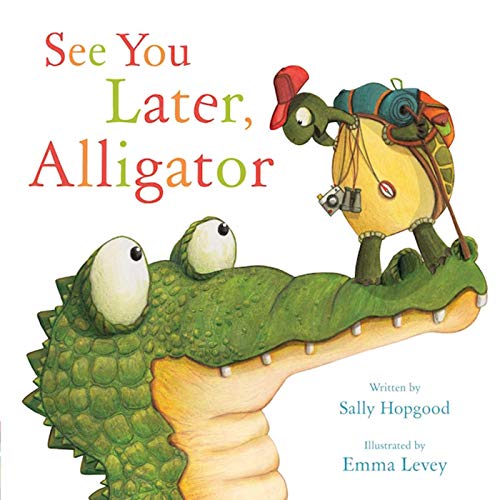
2.Sky Pony Press See You Later Alligator
Rhyming story engages young readers with fun and playful animal scenes

3.National Geographic 5,000 Awesome Facts
Presents thousands of fascinating animal facts with vibrant photos

4.DK The Animal Book Encyclopedia for Kids
Comprehensive visual guide brings wildlife to life for young readers

5.National Geographic Kids Animals Book
Large colorful pages introduce wildlife with simple and clear text

6.DK An Anthology of Intriguing Animals
Stunning artwork and fascinating truths reveal wild animal behaviors

7.The Why Lab 100,000 Whys About Animals
Answers big questions with clear facts for curious young learners
1. Wonder House Knowledge Encyclopedia Animals
Knowledge Encyclopedia – Animals shares facts about wildlife with children through clear pages and details. Wonder House published this white book for young readers who want to learn about creatures from every habitat.
Inside the book, you find details on mammals, birds, reptiles, amphibians, and fish across the globe. Each section uses bright pictures and short text blocks to explain animal habits, diets, and natural homes.
Young students can read about predators and prey, migration routes, and endangered species in simple words. The visual layout helps kids grasp science concepts quickly during school projects or quiet reading time.
Parents often choose this guide for homeschool lessons and bedtime reading because the topics hold children’s interest. Every page gives young learners a deeper look into how animals survive and adapt in the wild.
Weighing about 2.4 pounds, the book stays easy for kids to carry around the house or school. This reference guide suits curious children, young animal lovers, and students exploring nature for the first time.
- Teaches kids about wildlife
- Features clear animal facts
- Bright pictures on pages
- Helpful for school projects
- Easy to carry for kids
- No major cons
2. Sky Pony Press See You Later Alligator
For bedtime reading with young children, See You Later, Alligator brings a lively animal story to the nursery. This picture book uses rhyming verses to keep little listeners engaged from the first page until the final story hour.
Bright illustrations fill each large page, giving toddlers plenty of colorful details to examine during the day. The square shape fits comfortably in small hands, so kids can hold and turn the pages all by themselves.
At bedtime, the rhythmic text lulls restless children into a quiet mood for sleep. Parents can read the story quickly when schedules run tight, or slow down for a longer bedtime routine.
Storytime sessions become interactive as children mimic animal sounds and point out familiar creatures in the pictures. The durable paperback format travels easily in a diaper bag for reading in cars or waiting rooms.
Teachers also find this book helpful for group story hours in preschool and kindergarten classrooms. Weighing a little over a pound, the volume rests lightly on a child’s lap during quiet afternoon reading moments.
This charming animal tale suits toddlers and preschoolers who love rhyming stories before bedtime.
- Engages kids with rhyming verses
- Features bright animal illustrations
- Sized well for small toddler hands
- Travels easily in a diaper bag
- Short length for older children
- Paperback cover bends easily
3. National Geographic 5,000 Awesome Facts
Over 5,000 facts fill National Geographic’s animal book, giving young readers endless wildlife trivia to explore. This large collection teaches kids about creatures from land, sea, and air using vivid photographs and short, easy articles.
Every page brings children closer to nature with clear details about habitats, diets, and strange animal behaviors. Curious minds can spend hours reading about predators, tiny insects, deep sea fish, and endangered species all over the world.
The book measures about 9 inches by 12 inches, making it a sizable hardcover volume for a child’s bookshelf. Bright layouts keep young students engaged while they learn science facts for school projects or personal reading time.
Parents looking for educational materials will find this volume handy for quiet afternoons and bedtime reading. Young animal lovers can also use the colorful pages to answer homework questions or share fun trivia with friends.
This multicolor reference guide weighs about 3 pounds and fits nicely on desk surfaces or bedside tables. Young learners, curious kids, and budding biologists will enjoy reading this book for hours on end.
- Five thousand animal facts
- Large colorful hard pages
- National Geographic brand
- No major cons
4. DK The Animal Book Encyclopedia for Kids
Young readers learn about the animal kingdom through detailed pictures and facts, and DK publishes this visual encyclopedia for children. The book explores creatures across the world, which helps kids with school projects or general curiosity about nature.
Inside the pages, colorful illustrations show animals in their natural habitats. Young learners can look at large, clear pictures of mammals, birds, reptiles and sea creatures while reading about their behaviors and habitats.
Parents find this hardcover book useful for family reading time and quiet afternoons at home. Every chapter offers structured information, making it simple for children to study specific species and understand wildlife science.
The white cover protects the pages during daily use by curious kids. Weighing about three pounds, the large volume stays sturdy on bedroom desks or bookshelf storage spaces.
Illustrated formats keep children engaged for hours of independent reading and learning. This book suits young students, animal lovers and curious kids who want to explore nature from home.
- Illustrated formats for young readers
- Hardcover design for daily reading
- Clear pictures of many animals
- Heavy weight for small children
5. National Geographic Kids Animals Book
Young children exploring nature will find bright pages inside this Usborne book, which teaches them about various animals in a fun way. Young readers can explore the multicolor picture book during storytime at home, in the classroom, or while traveling.
Children will enjoy looking at the large picture book formats that show clear images of wildlife. The text is very easy to read for early learners who are starting to sound out words on their own. Parents can guide kids through the pages to talk about different creatures and where they live.
Secure packaging protects the book during transit so it arrives in good shape for reading. At about 2 pounds, the volume is easy for small hands to hold or carry around the house. The square shape fits nicely on bookshelves, in toy boxes, or inside backpacks for trips.
Young readers can sit comfortably on a couch or floor while turning the thick pages. Bedtime stories become more engaging when kids point at the vibrant pictures of different animals. Every chapter gives children fresh facts to spark their curiosity about the natural world.
This educational picture book suits toddlers, preschoolers, and young animal lovers.
- Easy to read text for early readers
- Packed with vibrant multicolor pictures
- Weighs about 2 pounds for easy holding
- No major cons
6. DK An Anthology of Intriguing Animals
Fascinating truths of the animal kingdom fill the pages of An Anthology of Intriguing Animals, bringing wildlife stories right to young readers. This teal and turquoise green volume explores creatures great and small, sharing curious habits and unique traits for kids to enjoy at home.
Young explorers can turn the heavy pages to view detailed illustrations of beasts, birds and bugs from every corner of the planet. Each animal entry offers surprising facts that spark curiosity during quiet reading time or family story hours before bed.
The large pages measure over eleven inches tall and nearly nine inches wide, giving plenty of room for big pictures and clear text. DK publishes this hardcover collection to help children learn about nature, biology and wildlife conservation through stories.
Weighing about three pounds, the book stays sturdy in small laps or on bedroom desks while kids look through the colorful chapters. Parents and teachers can use these stories to answer questions about habitats, predator habits and migration patterns during school lessons.
Nature lovers, curious kids and young readers will find hours of entertainment within these chapters. This animal collection makes a thoughtful gift for birthdays, holidays or classroom libraries, supporting early reading skills and a love for science.
- Large pages show big pictures
- Sturdy book stays flat on desks
- Bright teal and turquoise cover
- Heavy pages resist frequent use
- Covers many animal species
- Weighs about three pounds
7. The Why Lab 100,000 Whys About Animals
The Why Lab wrote this animal book to answer questions for young readers. Children aged six to ten can explore one hundred big questions about creatures.
Clear answers follow each question to explain animal habits and traits. Four hundred amazing facts fill the pages to spark interest in nature and wildlife.
Young learners find detailed explanations about various beasts across land and sea. Each page turns easily to reveal new facts about wild and domestic animals.
Curious minds gain knowledge about how different species live and hunt. Parents and teachers use these pages to help children learn science topics.
Last but not least, the book has a depth of knowledge for young readers. This animal guide weighs about one pound and suits elementary school students.
- 100 questions answered
- 400 amazing facts
- Tailored for ages 6 to 10
- Clear explanations
- No major cons
How to Choose the Best Childrens Books About Animals
Choosing the right animal book for children shapes early reading habits and sparks curiosity about wildlife, meaning you should weigh age suitability, illustration style, binding durability, and content depth before making your final purchase.
| If You Need | Look For | Expect |
|---|---|---|
| Toddlers | Board book binding | Shorter lifespan overall |
| Preschoolers | Large colorful pictures | Less detailed text |
| Early readers | Simple fun rhymes | Fewer educational facts |
| Curious kids | Question-and-answer format | Busy page layouts |
| Older readers | Deep encyclopedic facts | Heavy weight to hold |
| Visual learners | Photographic spreads | Higher book cost |
| Fact hunters | Bite-sized trivia lists | Less narrative flow |
Age Appropriateness
Target age ranges dictate whether a book holds a child’s attention or gathers dust on a shelf. Toddlers need sturdy board pages with minimal words, while older children require deeper paragraphs explaining habitats and scientific classifications.
Matching the reading level prevents frustration during storytime and keeps young learners genuinely engaged. Books labeled for ages six through ten often feature complex vocabulary that younger children might struggle to understand without adult help.
Format and Binding
Hardcover editions resist bending and tearing from rough everyday handling by toddlers and preschoolers. Softcover picture books cost less money upfront, but they wear out quickly if children read them independently every single day.
Spiral bindings allow pages to lie flat on the floor during reading sessions, which helps groups of children look together. Board books protect delicate pages from spills and sticky fingers, making them the safest bet for nurseries and early playrooms.
Visual Style and Photography
Bright illustrations capture a toddler’s imagination instantly and introduce artistic color concepts during early development. Realistic photographs appeal to older children who want accurate details about how creatures look in their natural wild habitats.
Graphic design layouts help break up dense blocks of text so young readers do not feel overwhelmed. Busy pages with many small pictures require more focus, whereas clean single-animal spreads suit children with shorter attention spans.
Content Depth and Facts
Trivia lists and fun animal facts satisfy curious minds that love sharing unusual tidbits with friends and family. Deep encyclopedic overviews provide structured learning resources that support school science projects and long-term reading habits.
Question formats encourage active thinking by challenging children to guess answers before turning the page to see results. Selecting the right depth ensures the book grows alongside the child rather than becoming boring after a single read.
Book Weight and Size
Heavy reference volumes require sturdy tables or desks because little arms tire quickly from holding large books. Lightweight picture books travel easily inside backpacks, making them ideal companions for car rides and waiting room visits.
Physical dimensions dictate shelf storage space in children’s bedrooms and classroom reading corners alike. Smaller square formats fit comfortably in tiny hands, while oversized volumes showcase stunning wildlife photography in striking high resolution.
Price and Value
Budget-friendly softcover books cost under ten dollars and suit casual readers who switch topics frequently. Comprehensive encyclopedias cost twenty dollars or more, offering lasting educational value that serves children across several developmental years.
Paying higher prices usually guarantees sturdier bindings, thicker pages, and exhaustive wildlife indexes that remain relevant longer. Choosing mid-priced hardcover volumes often strikes the ideal balance between affordable purchasing costs and long-term physical durability.
Warranty and Returns
Retailers rarely offer formal product warranties on printed reading materials once the shrink wrap is removed. Return policies from online sellers let you exchange damaged copies or books with misprinted pages within thirty days.
Inspecting book spines and page binding immediately upon delivery prevents disappointment after the return window closes permanently. Purchasing from reputable publishers guarantees quality control standards that protect your investment in children’s literature.
Frequently Asked Questions
Do any of these books require a power source or batteries to operate?
No, all of these reviewed books are traditional print books that do not require any power source or batteries.
What materials are used to build these books and their packaging?
These products are made of standard paper and bookbinding materials, featuring hardcover or paperback designs depending on the specific edition.
What items come included in the box when you order one of these titles?
Each purchase includes only the book itself, with no extra accessories or items included in the packaging.
Should I get the Wonder House Knowledge Encyclopedia Animals or the DK The Animal Book Encyclopedia for Kids?
Since each encyclopedic book offers a different visual style and depth of information, it is best to review their specific layouts and choose the one that best fits your child’s age and reading level.
How do I handle keeping the large colorful pages of the National Geographic Kids Animals Book clean?
To maintain the book, gently wipe the pages with a dry, soft cloth and keep them away from moisture and liquids.
What is the difference between the storytelling style in Sky Pony Press See You Later Alligator and the informational style in The Why Lab 100,000 Whys About Animals?
While Sky Pony Press See You Later Alligator uses a rhyming story with playful animal scenes, The Why Lab 100,000 Whys About Animals answers big questions with clear facts for curious learners.
So, What Should You Buy?
For most readers, DK The Animal Book Encyclopedia for Kids is the top choice with its comprehensive visual guide. Budget-conscious buyers will love the simple, clear text in National Geographic Kids Animals Book.
Curious minds wanting big questions answered should grab The Why Lab 100,000 Whys About Animals, while younger kids will adore the playful scenes in Sky Pony Press See You Later Alligator. Choose the book that fits your child today!