

Business and self-help books can turn spare moments into useful lessons for work, money, habits, and personal growth. Without a trusted guide, you may rely on scattered online advice, which can feel hard to apply or keep organized.
For clearer direction, a business or self-help book brings ideas together in a focused, easy-to revisit format. Practical examples and step-by-step advice can help you make better decisions, build routines, and work toward goals at your own pace.
Many books offer exercises to put lessons into practice, concise chapters for busy days, and real-world strategies you can adapt to your needs. The right read can make a new idea easier to remember and use in everyday life.
Books differ in topic, tone, and level of detail, so your choice depends on the goals you want to pursue. Explore the best business and self help books below to find a useful read for your next step.
7 Best Business and Self Help Books Reviews

1.Hay House The Let Them Theory Life-Changing
A life-changing tool that millions of people can't stop talking about
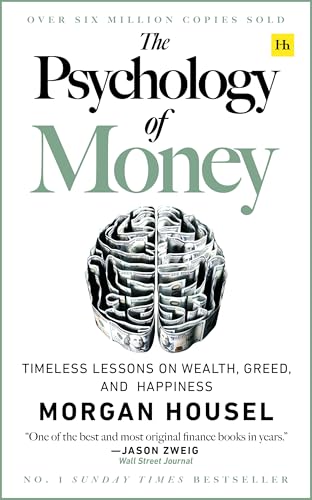
2.Harriman House The Psychology of Money
Compact for travelling, this book offers timeless lessons on wealth

3.Penguin Random House Atomic Habits Book
A proven approach helps you build good habits and break bad ones
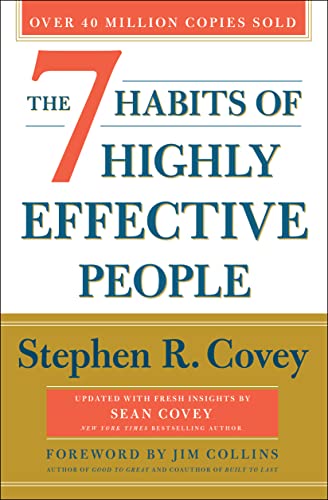
4.Simon & Schuster The 7 Habits Book
30th anniversary edition in the Covey Habits Series for all readers

5.Grand Central Publishing Make Your Bed
Little things can change your life and maybe even change the world

Revised and updated for the 21st century, this landmark bestseller

Explores the power of knowing what you don't know, as the title says
1. Hay House The Let Them Theory Life-Changing
The Let Them Theory gives readers a self-help book built around a tool for approaching everyday life. Its title points to the central idea, while the listing provides few details about the method or the topics it covers.
For people browsing business and self-help books, the title positions this as a personal-development read rather than a business how-to. The listing does not specify particular work situations, exercises or strategies, so buyers should not expect details on those from the product information.
The book comes in a celadon, pale green color. Its listed weight is about 1.25 pounds, a useful detail for readers who plan to carry it between home, work or travel.
At about 9 inches tall and 6.4 inches deep, it has a compact book format for reading at a desk or keeping on a shelf. The listing gives no further information about its binding, page count or edition.
This is best suited to readers drawn to the “Let Them” idea and looking for a self-help title. Those who need specific business guidance or a detailed account of the book’s contents may want more information before choosing it.
- Offers a popular, life-changing self-help approach
- Lightweight at about 1.3 pounds for reading
- Compact 9.4-inch height fits easily on shelves
- No major cons
2. Harriman House The Psychology of Money
For readers exploring how wealth, greed and happiness connect, The Psychology of Money presents timeless lessons on those subjects. Its focus makes it a business and self-help book for people interested in how money relates to everyday life.
The compact book measures about 5.5 inches deep and 8.5 inches tall. That smaller format can fit in a travel bag, making it easier to bring along for reading away from home.
At about 2.3 pounds, it has a substantial feel for its size. Its portable format also makes it a practical choice for someone who wants to carry a book between home and work or while travelling.
The book is described as a gift option and as a choice for book lovers. Those points make it suitable for readers who enjoy books about money, as well as for someone choosing a present around those interests.
Its title signals a focus on wealth, greed and happiness rather than a narrow money topic. Readers seeking a book that connects financial themes with personal reflection may find it worth considering.
This book suits curious readers and book lovers interested in money’s place in life, especially those seeking a compact title to read or give as a gift.
- Compact format is convenient for travel
- Covers wealth, greed and happiness
- Suitable as a gift for book lovers
- At about 2.3 pounds, it feels weighty for travel
3. Penguin Random House Atomic Habits Book
1.13 pounds is light enough to carry Atomic Habits between home, work and other reading spots. James Clear’s book focuses on building good habits and breaking bad ones, making it a self-help choice for readers who want to change everyday routines.
The title presents its approach in practical terms: it covers both creating habits and changing unwanted ones. Readers looking for a book about personal routines can consider it alongside business titles that address how people work and make decisions.
Its subject may also suit readers who want ideas they can revisit as their goals or routines change. The book’s focus on habits gives it a place on a business and self-help shelf, whether you read it at home or take it along.
The white edition weighs about 1.1 pounds. That makes it portable for a commute, a work bag or a reading session away from home, without adding much weight.
At about 9 inches tall, it has a familiar book format for reading and storing on a shelf. Its product information lists no further features, so buyers should focus on its habit-building subject, physical format and portability.
This book suits readers who want a self-help title centered on forming better habits and changing unhelpful ones. Its straightforward focus may also interest business readers exploring how daily routines relate to their work.
- Covers building good habits and breaking bad ones
- About 1.1 pounds for carrying between places
- Focuses on routines for business and self-help readers
- No major cons
4. Simon & Schuster The 7 Habits Book
Readers looking for a practical guide to personal and professional effectiveness get a 30th anniversary edition of Stephen Covey’s well-known book. The title places it in the Covey Habits Series, making it a fit for readers exploring business and self-help ideas.
The book’s anniversary edition is the main point to consider, though the supplied details do not describe its contents or what differs from other editions. Buyers who want to compare specific lessons or chapters will need more information than this listing provides.
Its special-edition format gives it a defined place among the available formats. The listing does not specify whether it is hardcover, paperback or another physical format, so check the format details before buying if that matters to you.
At about 5.5 inches tall, it has a compact book size that can fit on a desk or bookshelf. It weighs about 0.8 pounds, a manageable amount to carry for reading away from home.
Simon & Schuster is the listed brand. This edition suits readers interested in Covey’s habits framework, especially those choosing a business or self-help title, but the provided product details offer little guidance on its specific content.
- 30th anniversary edition of a well-known title
- Special edition format offers a distinct edition
- Compact size fits desks and bookshelves
- Listing gives no details about its chapters
5. Grand Central Publishing Make Your Bed
For a bedside table or a work desk, Make Your Bed offers a compact book about personal change and leadership. It draws on a graduation speech that has received over 10 million views on YouTube, giving readers a self-help starting point shaped by that address.
The book also includes personal anecdotes from inside the national security vault, according to the Washington Post. That perspective may interest readers looking for leadership lessons connected to experiences beyond the usual business setting.
The Wall Street Journal recommends it for leaders and young readers, while USA Today calls it powerful. Forbes describes it as smart and succinct, suggesting a concise read for people who want ideas presented without a lengthy format.
At about 2.3 pounds, this edition is heavier than its compact 5.4-by-7.4-inch format might suggest. Its small page footprint can suit a desk or bedside table, though the listed weight may make it less convenient to carry around.
For readers choosing among business and self-help books, this title is best suited to those interested in leadership, personal growth and lessons drawn from the author’s experiences. The endorsements and speech connection help frame its appeal, but the provided details do not specify the book’s chapter count or length.
- Based on speech viewed over 10 million times
- Personal anecdotes offer a national security angle
- Endorsements from major news and business outlets
- About 2.3 pounds may feel heavy to carry
6. Penguin Think and Grow Rich
Desire is the central idea named by Think and Grow Rich, a business and self-help book for readers interested in personal growth. The title also identifies this as a revised and updated edition for the 21st century.
The book belongs to the Think and Grow Rich series, giving readers a specific title in a named collection. Its title signals a focus on wealth and personal ambition, which may suit readers exploring those themes.
For someone choosing a business or self-help book, the title offers a starting point for considering goals and financial success. The product information does not describe the book’s chapters or explain what changes this edition makes.
Its English-language text suits readers who want to read the book in English. The title presents it as a book rather than a workbook or other format, though the listing does not provide details about its exercises or layout.
At about 7 inches tall and 5 inches wide, the white book is a compact option for a shelf, desk or bedside table. It weighs about 0.6 pounds, so it is light to carry between reading spots.
Readers seeking a title centered on wealth and personal ambition may find it worth considering. The listing gives little detail beyond its title, language and physical specifications, so buyers wanting information about its contents will need to look further.
- Revised and updated for the 21st century
- Compact book weighs about 0.6 pounds
- English-language edition for English readers
- Listing gives no chapter or content details
7. Penguin Think Again Book
Penguin publishes a business and self-help book titled *Think Again*, aimed at readers considering how they approach what they know. Its title centers on reconsidering familiar ideas, making it relevant to a roundup for people exploring personal or professional growth.
The title’s focus gives readers a reason to consider it alongside books about business and self-help. Its subject may suit those interested in taking another look at their assumptions, though the supplied product details do not describe the book’s specific arguments or approach.
This edition comes in a white cover and weighs about 2.3 pounds. That makes its heft worth considering if you plan to carry it between home, work and other reading spots, rather than keep it in one place.
At about 8.4 inches tall, it has a book-sized format for a shelf, desk or bedside table. The listed details do not specify the page count, binding, or whether it includes any supplementary materials.
The product information also does not provide an author name or a description of the contents. Readers who want to compare a particular author’s perspective or check the book’s topics before buying may need more detail than this listing gives.
For buyers browsing business and self-help titles, *Think Again* is a candidate for readers drawn to reconsidering what they know. It may suit someone seeking a book in that broad area, especially if the title’s subject is enough to guide their choice.
- Title focuses on reconsidering what you know
- White cover gives it a simple look
- Book-sized format suits shelf or bedside storage
- No major cons
How to Choose the Best Business and Self Help Books
Choosing a business or self-help book is easier when you know what you want to change, learn, or put into practice. Subject, writing style, edition, format, and price all shape whether a book fits your goals and reading habits.
| If You Need | Look For | Expect |
|---|---|---|
| Practical habit changes | Clear steps and exercises | Regular practice takes time |
| Money perspectives | Personal finance and behavior topics | Less focus on technical investing |
| Leadership skills | Work situations and decision tools | Some concepts need reflection |
| A quick read | Short length and concise chapters | Less depth on complex ideas |
| A gift | Broad appeal and suitable format | Recipient’s interests still matter |
| Travel reading | Compact size and lighter weight | Smaller pages or print |
Subject Fit
Start with the change you want to make, because a book about habits will not answer the same questions as one about money, leadership, or personal growth. Write down one or two goals before choosing a subject.
Look at the description for the topics covered and the problems addressed, because broad labels such as “self-help” reveal little about the actual content. A focused subject usually gives you clearer guidance for a specific need.
For business reading, decide whether you want help with management, communication, decision-making, or personal productivity, because each calls for different ideas. If you want general inspiration instead, choose a wider theme and expect fewer targeted tools.
Practical Use
A book that offers actions, exercises, or reflection prompts suits readers who want to apply ideas as they read, because it turns concepts into a routine. Look for a clear method rather than promises of instant change.
Readers who prefer stories and examples should look for personal accounts or workplace situations, because they make abstract ideas easier to picture. This style may offer less step-by-step instruction, so pair it with notes or a plan.
Consider how much time you can give the ideas, since lasting behavior changes often require repeated practice beyond finishing the book. A short daily reading plan or one chapter each week can make follow-through more manageable.
Author Approach
Check the author’s background and the basis for the advice, because experience, research, and personal reflection support different kinds of guidance. A practical business reader may prefer clear methods, while a reflective reader may value broader perspective.
Notice whether claims are presented as universal rules or as ideas to consider, because work and personal circumstances differ. Advice that invites you to adapt it is often easier to use across changing goals.
Descriptions may mention endorsements, popularity, or a well-known speech, but these details do not show whether the content suits you. Use them as context, then consider the subject, approach, and level of detail.
Edition and Currency
Some books are revised editions, so compare the publication details and contents when current examples or updated framing matter to you. Older foundational ideas may still be useful, but references and assumptions can reflect their original period.
A special or anniversary edition may include a different presentation or added material, but the label alone does not tell you what changed. Read the edition description and contents before paying extra for a particular version.
For advice about fast-changing fields, such as business tools or markets, favor recent material or verify important details elsewhere. For timeless themes like habits or personal values, the central ideas may age more slowly.
Format and Portability
Choose a format that matches how you read, because a physical book, ebook, and audiobook suit different routines. Confirm the listing’s actual format before buying, especially when you want a particular reading or listening experience.
A compact book is easier to carry on commutes and trips, while a larger or heavier volume can feel less convenient in a bag. Compare listed dimensions and weight if portability is a daily concern.
Page size and print layout also affect comfort, because small text or crowded pages can slow reading. If you have a preferred print size, inspect sample pages or format details where available before ordering.
Length and Reading Level
A concise book suits readers who want a focused introduction, but it may leave complex subjects with less room for nuance. Longer books can explore examples and context in more detail, though they require more reading time.
Use the description, sample pages, and table of contents to judge difficulty, because titles rarely show whether the writing is plain or technical. Choose a level that feels engaging without demanding constant rereading.
If you have limited time, look for chapters that stand on their own or a clear contents structure, because these make short reading sessions easier. Readers seeking a deeper study may prefer a connected, progressive argument.
Gift Suitability
For a gift, match the subject to what the recipient already reads or wants to learn, because business and self-help cover very different interests. A broad topic is safer only when you know little about their goals.
Check the language, edition, and physical format, since these details affect whether the book feels suitable and usable. A reader who travels often may value a compact copy; a collector may care more about presentation.
Avoid assuming that an acclaimed or popular title fits every recipient, because personal goals and reading tastes vary. When uncertain, choose a subject they have mentioned or include a gift receipt if available.
Reviews and Description
Read reader feedback for specific comments about clarity, depth, and practical usefulness, because those details help set expectations. Give more weight to repeated, relevant observations than to brief praise or complaints without context.
Descriptions can emphasize sales, endorsements, or audience appeal, but these claims do not replace information about the actual contents. Check chapter listings, sample pages, and edition notes to understand what you will read.
Also confirm the seller’s listing matches the format and edition you intend to buy, because similar titles may appear in several versions. This simple step helps prevent surprises about language, size, or included material.
Price and Value
Price usually reflects format, edition, length, and seller, rather than how useful a book will be to you. Compare the same format and edition so that differences in cost are meaningful.
A lower-priced copy suits readers who mainly want the ideas, while a higher price may be worthwhile for a preferred edition, gift presentation, or convenient format. Pay more only when that feature matters to your use.
Include shipping or digital access costs when comparing the total, and consider whether a library copy meets your needs. If you are unsure about the subject, borrowing first reduces the risk of paying for a poor fit.
Condition and Returns
For used copies, review the stated condition and seller notes, because highlighting, wear, or missing pages can affect reading. A lower price may be reasonable when cosmetic marks do not bother you.
Check the return policy before ordering, especially if the edition or format is essential. Clear return terms provide a practical fallback if the delivered copy differs from the listing.
Finally, confirm the book is in the language you can comfortably read and that the listed contents suit your goal. These details help ensure you receive a usable book rather than simply a familiar title.
Frequently Asked Questions
Which of these books is best for building better habits?
Penguin Random House’s Atomic Habits offers an approach to building good habits and breaking bad ones.
Is The Psychology of Money convenient to take on a trip?
Harriman House’s The Psychology of Money is described as compact for travelling and shares timeless lessons on wealth.
Which should I choose: The 7 Habits or Make Your Bed?
Choose The 7 Habits for Covey’s guidance in a 30th anniversary edition, or Make Your Bed for a book about how small actions can make a difference.
What comes with The 7 Habits Book?
The product is the 30th anniversary edition in the Covey Habits Series; no additional items are specified.
Which book explores the value of questioning what you know?
Penguin’s Think Again explores the power of knowing what you don’t know.
Is Think and Grow Rich a current edition?
Penguin’s Think and Grow Rich is described as revised and updated for the 21st century.
Which book focuses on letting go of what you can’t control?
Hay House’s The Let Them Theory presents itself as a life-changing tool that millions of people can’t stop talking about.
So, What Should You Buy?
For most readers, Penguin Random House’s *Atomic Habits* is the best pick, offering a proven approach to building good habits and breaking bad ones. Choose Harriman House’s compact *The Psychology of Money* for timeless wealth lessons in a travel-friendly book, or *The Let Them Theory* for a life-changing tool people can’t stop talking about.
For broad personal-growth guidance, consider *The 7 Habits*, *Make Your Bed*, or the revised *Think and Grow Rich*. Choose *Think Again* if you want to explore the value of recognizing what you don’t know. Pick the book that fits your goals and get started.