

Business and finance books can help you make sense of budgets, markets, leadership, and the choices behind a thriving company. Without a clear guide, useful advice can feel scattered across online articles, podcasts, and social media, where context and depth vary.
For a more focused way to learn, a business or finance book builds its ideas step by step. You can follow practical explanations of money, strategy, and management at your own pace, then return to key lessons when a real decision calls for them.
Many books use case studies to show how companies handle change, while clear frameworks help you shape a budget, assess risk, or lead a team. Actionable exercises can turn new concepts into habits you use at work and with your finances.
Books differ in topic, reading level, and approach, so consider whether you want help with investing, entrepreneurship, or personal finance. Explore the best business and finance books below to find a useful read for your goals.
7 Best Business and Finance Books Reviews

1.Wiley For Dummies Corporate Finance Book
Learn corporate finance concepts with clear explanations for readers
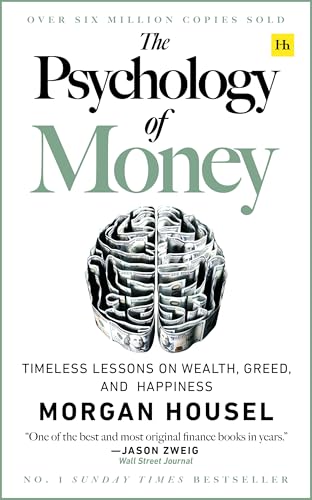
2.Harriman House The Psychology of Money Book
Compact for travelling, so you can take lessons on money anywhere

3.Penguin Think and Grow Rich Landmark Book
Revised and updated for the 21st century, this classic is in English

Traces how four bankers helped bring about the Great Depression era

5.Viking Drill & Tool 1929: Wall Street Crash
Recounts the Wall Street crash of 1929 and its impact on a nation

6.Hay House The Science of Scaling
Learn how to grow your business bigger and faster than you think

7.Wiley Triple Compounding For Dummies
Explains triple compounding concepts for business and finance readers
1. Wiley For Dummies Corporate Finance Book
Corporate Finance For Dummies helps readers approach the financial decisions businesses make. It sits within the For Dummies Business & Personal Finance series, making it a book to consider for readers who want a corporate finance title in that familiar collection.
Corporate finance is relevant to decisions about how a company handles money. This book’s title makes that subject its focus, so it may suit readers looking for a book centered on business finance rather than personal budgeting.
The title alone does not specify particular topics, examples or exercises. Buyers who need coverage of a specific area, such as valuation or financial statements, should check the book’s contents before choosing it.
Its listed weight is about 2.3 pounds, which is worth considering if you plan to carry it between home, work or class. The listing gives no further details about the edition or format.
The book measures about 9 inches tall, a size that fits the general form of a printed business book. Its dimensions and weight may matter to readers deciding whether they want a volume to keep on a desk or take along.
For students, business readers and anyone exploring corporate finance, this title offers a straightforward subject match. It suits buyers who want a book in the For Dummies finance series and are comfortable checking the contents to confirm it covers their needs.
- Focuses on corporate finance for business readers
- Part of the For Dummies finance series
- About 9 inches tall for desk reading
- The listing gives no topic or chapter details
2. Harriman House The Psychology of Money Book
For readers exploring how money shapes decisions, The Psychology of Money offers lessons on wealth, greed and happiness. Its focus on financial behavior makes it a business and finance book for thinking about more than numbers alone.
The title highlights timeless lessons, making the book relevant to readers interested in how people approach money over time. It may suit someone who wants to reflect on the ideas behind wealth and financial choices.
At about 8.5 inches tall and 5.5 inches wide, the book has a compact format for carrying while travelling. Its listed weight is about 2.3 pounds, so it is portable in size but not especially light to carry for long periods.
The listing describes it as a gift option and as a choice for book lovers. Those points make it easy to consider for someone who enjoys reading about finance and personal perspectives on money.
This book suits readers looking for thoughtful lessons on wealth, greed and happiness, as well as people seeking a finance-themed gift. Its compact format also works for buyers who want a book they can take along.
- Covers wealth, greed and happiness in one book
- Compact format is convenient for travelling
- Could make a thoughtful gift for book lovers
- About 2.3 pounds may feel heavy for travel
3. Penguin Think and Grow Rich Landmark Book
The 21st-century revised edition of Think and Grow Rich brings Napoleon Hill’s well-known business and finance title to readers in a compact paperback-sized format. Its title signals an updated presentation of the book for modern readers.
The book is in English, so readers can engage with the text in its original language. It belongs to the Think and Grow Rich series, which may interest readers who want to explore related books under the same series name.
At about 7 inches tall and 5 inches wide, the book is small enough to carry in a bag or keep beside a desk. Its slim profile also takes up little shelf space among other business and finance titles.
The listed weight is about 0.6 pounds, making it a relatively light book to bring along for reading during a commute or between work tasks. Its white color is the only appearance detail provided in the product information.
The product details do not describe the book’s chapter contents, specific revisions, or format beyond identifying it as a book. Readers who want to assess its advice in detail may want to check a sample or fuller description before buying.
This edition suits readers looking for an English-language business and finance book in the Think and Grow Rich series, especially those who value a light, compact book for carrying or shelf storage.
- Revised for 21st-century readers
- English-language edition for broad access
- Lightweight at about 0.6 pounds
- Compact size fits bags and shelves
- Product details give little about revisions
4. Penguin Lords of Finance
Readers drawn to the people behind financial history get a book about the bankers whose actions helped break the world. *Lords of Finance* won the Pulitzer Prize, a distinction that may help readers choose it for a business and finance collection.
The title centers on bankers and the financial events connected to them. That focus gives the book a historical angle for readers interested in how finance and banking shaped events, rather than a guide to managing money or running a business.
Its illustrated format adds visual material to the reading experience. Readers can consider the text alongside illustrations, making this a different format from a text-only finance book.
At about 2.3 pounds, it is a substantial book to hold or carry. Its listed size is roughly 8 inches tall, a familiar book format that can fit on a bookshelf or bedside table.
The title and Pulitzer Prize recognition make its subject clear before you open it. It may suit readers looking for a history-focused business book, especially those curious about the role bankers played in financial upheaval.
For buyers who want practical financial advice, the title points instead to a historical account. This illustrated Penguin book is best suited to readers who want to explore banking history and the people behind it.
- Pulitzer Prize-winning title for history readers
- Illustrated format adds visual material
- Focuses on bankers and financial history
- Historical focus, not a practical finance guide
5. Viking Drill & Tool 1929: Wall Street Crash
On a bookshelf beside other finance titles, 1929 offers a look at the Wall Street crash and its impact on the nation. The title frames the book around both the market collapse and the broader changes that followed.
For readers interested in financial history, it focuses on a major turning point rather than everyday personal finance advice. Its subject can help place market events in the context of the country’s history.
The book’s title signals a narrative about how the crash unfolded and how it affected people beyond Wall Street. That makes it a possible fit for readers who want business and finance topics presented through a historical event.
The listing gives little detail about the book’s contents beyond its subject, so buyers may want to check the description or sample pages for more about its approach. The red edition weighs about 1.7 pounds and measures about 9 inches tall, a manageable size for a shelf or reading table.
This book may suit readers who want to explore the 1929 crash and its national consequences, especially those who enjoy financial history alongside business topics.
- Explores the causes and impact of the 1929 crash
- Connects Wall Street history to its national fallout
- Focuses on a landmark event in business and finance
- No major cons
6. Hay House The Science of Scaling
The Science of Scaling takes on the challenge of growing a business bigger and faster. Its title signals a focus on scaling, making it a possible pick for readers looking for business and finance guidance.
The book is titled The Science of Scaling: Grow Your Business Bigger and Faster Than You Think Possible. That framing centers the subject on business growth, rather than on finance topics in general.
Readers considering it should note that the supplied product information gives no details about its methods, chapters or intended audience. It identifies the book by title but does not explain how it approaches business growth.
The listed format is not specified, so the available details do not establish whether this edition is hardcover, paperback or another format. Buyers who care about the physical edition may want to confirm that information before choosing it.
The specifications list an orange color and a weight of about 0.75 pounds. Those details may help readers identify the copy and judge its portability, but they do not describe what the book teaches.
Its listed measurements are about 5.8 by 0.9 by 8.8 inches. Overall, this title may suit readers seeking a book specifically about scaling a business, while shoppers who want more information about its contents will need details beyond the listing provided.
- Focuses on scaling businesses, a defined topic
- About 0.75 pounds for easy carrying
- Compact size suits a bag or bookshelf
- Listing provides no details about its approach
7. Wiley Triple Compounding For Dummies
Wiley’s Triple Compounding For Dummies is a business and personal finance book focused on triple compounding. Its title points readers toward a specific finance topic, making it a choice to consider if you want a book centered on that subject.
The title identifies the book as part of the For Dummies series, which may help readers looking for an introductory approach. The available product details do not describe its methods, examples or intended reading level, so check the book’s contents if you need coverage of a particular financial question.
At about 1.4 pounds, it is manageable to carry between home, work and study sessions. You can also keep it on a shelf or beside other reference books, though its stated weight makes it a substantial paperback-sized item to bring along.
The book measures roughly 9 inches tall, making its overall format similar to a standard book for reading at a desk or in a chair. Its dimensions and weight are the only physical details provided, so the listing does not specify binding, page count or illustrations.
As the final choice in this roundup, this book is best suited to readers seeking material about triple compounding within business and personal finance. Buyers who want to compare its depth or approach with other finance books should review the contents before deciding.
- Focuses on triple compounding in finance
- For Dummies series signals an established format
- About 1.4 pounds for shelf or desk use
- Listing gives no details about its contents
How to Choose the Best Business and Finance Books
Choosing a business or finance book is easier when its subject, depth, and format match your goals. Decide whether you want practical guidance, financial history, or personal money lessons, then weigh readability, portability, edition details, and price.
| If You Need | Look For | Expect |
|---|---|---|
| Practical company finance | Clear explanations and examples | Less historical detail |
| Personal money insights | Behavior, habits, and wealth themes | Fewer technical finance tools |
| Business growth guidance | Scaling methods and useful frameworks | Advice needing context |
| Historical perspective | A defined event or period | Less direct how-to guidance |
| An easier introduction | Plain language and topic coverage | Less technical depth |
| A travel-friendly read | Smaller size and lighter weight | Smaller pages or print |
| A gift | Broad appeal and clear presentation | Less tailored subject matter |
Subject Fit
Start with the question you want the book to answer, because business and finance covers several distinct fields. Corporate finance, personal wealth, business growth, and financial history call for different kinds of reading.
For decisions at work, look for topics such as company funding, investment, cash flow, or financial statements. These subjects suit readers who need business concepts, while personal finance readers may prefer money habits and wealth decisions.
If you want context rather than instructions, choose a book centered on a financial event, institution, or period. Historical accounts explain how events unfolded, but they are less likely to provide a step-by-step plan for current choices.
Reader Experience
A beginner benefits from plain explanations, defined terms, and examples that connect ideas to familiar situations. Look for an introductory scope if financial language feels unfamiliar, since dense specialist writing can slow progress.
Experienced readers often want tighter focus and more detail instead of broad definitions. Before buying, read the contents or a sample where available; a focused treatment suits a specific question better than a general overview.
Books framed around personal behavior suit readers exploring attitudes toward money, risk, and wealth. Those seeking accounting methods or corporate decision tools should choose a subject that directly addresses those tasks rather than expecting personal essays to teach them.
Practical Usefulness
For advice you plan to apply, look for clear frameworks, worked examples, or questions that help translate ideas into action. These features make a book easier to use at work or during financial planning.
Business growth books often discuss systems, staffing, or expanding operations, but advice depends on a company’s size and circumstances. Check whether the intended reader and business stage resemble yours before treating recommendations as a ready-made plan.
Historical books offer a different kind of value: they can explain causes, consequences, and institutional choices. They suit readers building background knowledge, but they are not substitutes for current market data or professional financial advice.
Scope And Depth
A broad book introduces several ideas, which helps when you are still deciding what to learn. The trade-off is less space for detail, so it may not answer a narrow technical question fully.
A focused book spends more time on one subject, period, or problem. That depth helps when you know your goal, though it leaves less room for adjacent topics you might also want to explore.
Look at the contents page for the balance between explanation, examples, history, and advice. A book with a scope that matches your purpose is more useful than one chosen only for a broad subject label.
Edition And Currency
Finance concepts and business practices change at different speeds, so edition details deserve attention. For enduring ideas or historical accounts, an older text may remain useful; current rules and market conditions need up-to-date sources.
When a book is described as revised or updated, look for what changed and when the revision appeared. A new edition can refresh examples or language, but the label alone does not show that every claim reflects current conditions.
For taxes, regulation, investing rules, or accounting standards, verify time-sensitive details against reliable current sources. Treat a general book as a learning aid, not as a replacement for guidance that applies to your location and situation.
Writing And Structure
A clear structure helps you find ideas again after finishing a chapter. Look for short sections, useful headings, a contents page, and an index if you expect to refer back to specific concepts.
Illustrations, charts, or diagrams can make relationships and timelines easier to follow, especially in subjects with several moving parts. They add value when they explain the text, but do not assume that illustrated pages mean the book is more practical.
Writing style affects whether you keep reading, so sample a few pages if possible. Direct explanations suit readers who want quick learning, while narrative storytelling may better serve readers who enjoy history and context.
Format And Portability
A printed book’s size and weight affect where you can comfortably read it. A compact, lighter edition suits commutes and travel, while a larger, heavier volume may be easier to read at a desk.
Page size and print layout also shape the reading experience. Smaller formats save bag space, but may use smaller type or tighter pages; larger books are easier to spread open yet take up more room.
If you prefer digital reading, confirm that the edition is available in a format and app you use. Digital copies reduce carrying weight, while print offers physical pages and does not depend on a charged device.
Language And Accessibility
Confirm the language before ordering, especially when buying for someone else or choosing an edition from another market. Reading complex finance topics in a less familiar language can make key distinctions harder to follow.
Consider whether the book’s vocabulary and sentence style suit the intended reader. A plain-language introduction lowers the barrier for newcomers, while specialist terms may be useful for readers already familiar with business finance.
For accessibility needs, review available formats and sample text where possible. Large print, adjustable digital text, or audio editions suit different readers, but availability and the experience vary by title and seller.
Price And Value
Lower-priced editions often offer the core text with fewer extras, while higher prices may reflect a newer edition, a different format, or a larger physical book. Compare the edition and format rather than assuming cost signals depth.
Paying more makes sense when the edition is current for your purpose, the format improves regular use, or the book contains supporting material you will actually consult. For a one-time overview, a less costly edition may be enough.
Also consider whether you need one focused book or several perspectives. A single title may answer a narrow question, while a small mix of practical and historical reading gives broader context at a higher total cost.
Gift Suitability
For a gift, match the topic to the recipient’s interests and experience. A broad personal-finance theme may suit a general reader, while corporate finance or business scaling is more useful for someone with a related goal.
A book’s physical presentation, size, and weight can affect gift appeal and ease of use. Consider whether the recipient reads at home or travels with books, and confirm the language and edition fit their preferences.
If you are unsure about their knowledge level, choose a clearly introductory subject rather than a highly specialized one. A thoughtful fit is more valuable than selecting a book solely because it has a notable award or popular reputation.
Frequently Asked Questions
Which book is best for learning corporate finance concepts?
Wiley For Dummies Corporate Finance Book offers clear explanations of corporate finance concepts for readers.
Are any of these books easy to take along while travelling?
Harriman House The Psychology of Money is compact, making it convenient to take with you and read anywhere.
Should I choose Lords of Finance or Wall Street Crash: 1929?
Choose Lords of Finance for an account of four bankers’ role in the Great Depression era, or Wall Street Crash: 1929 for the crash itself and its impact on the nation.
Which book covers business growth?
Hay House The Science of Scaling focuses on how to grow a business bigger and faster.
What does Triple Compounding For Dummies explain?
Wiley Triple Compounding For Dummies explains triple compounding concepts for business and finance readers.
Is Think and Grow Rich an older edition or a modern revision?
Penguin Think and Grow Rich Landmark Book is revised and updated for the 21st century and is in English.
Which books focus on historical financial events?
Penguin Lords of Finance traces bankers’ part in the Great Depression era, while Wall Street Crash: 1929 recounts the crash and its effects on the nation.
So, What Should You Buy?
For most readers, Harriman House’s *The Psychology of Money* is a strong pick, with a compact format that makes its money lessons easy to take along. Choose Wiley’s *Corporate Finance For Dummies* for clear explanations, or *Triple Compounding For Dummies* to focus on compounding concepts.
For business growth, pick Hay House’s *The Science of Scaling*; for financial history, turn to *Lords of Finance* or *1929: Wall Street Crash*. Choose *Think and Grow Rich* for an updated classic. Pick the book that matches your goals and start reading with confidence.