

Tradition credits Isaiah of Jerusalem; many scholars argue multiple authors across eras.
If you have asked who wrote the book of Isaiah, you are not alone. I have spent years reading, teaching, and fact-checking this complex book.
Here, I explain the traditional view and the scholarly debate with care. I show what the text, history, and manuscripts reveal, so you can decide for yourself.

Why the Question “Who Wrote the Book of Isaiah” Matters
The question shapes how we read prophecy and history. It affects how we date key passages and how we see the message of hope and judgment.
It also guides how we connect Isaiah to the life of faith today. If you care about truth and context, who wrote the book of Isaiah matters.
When people ask who wrote the book of Isaiah, they often want a clear answer. The truth is both simple and complex. The name points to Isaiah son of Amoz. Yet the text shows layers that invite a deeper look.
The World of Isaiah: From Assyria to the Return
Isaiah lived in the eighth century BCE. This was the time of the Assyrian empire. Kings like Tiglath-Pileser III and Sennacherib pressed hard on Judah. Isaiah spoke to kings Uzziah, Jotham, Ahaz, and Hezekiah.
Later parts of the book point to the Babylonian exile in the sixth century BCE. They speak of the fall of Jerusalem and the rise of Cyrus the Great of Persia. They even welcome the return of exiles. This long span of history sits inside one book.

The Traditional View: Isaiah Son of Amoz
The standard view in Jewish and Christian tradition is clear. Isaiah son of Amoz wrote the book that bears his name. He lived in Jerusalem and spoke in a royal court. He warned of judgment. He promised hope for a remnant and a future king.
When people ask who wrote the book of Isaiah, this is the start. The book links to Isaiah by name in the early chapters. The stories in chapters 6–8 read like a first-person call and mission. This view honors the book’s own witness and long-held faith.
Scholarly Views on Who Wrote the Book of Isaiah
Many modern scholars see a complex path. They note shifts in language, time, and tone in the book. They suggest more than one hand shaped the book over time.
You will hear terms like Deutero-Isaiah for chapters 40–55 and Trito-Isaiah for chapters 56–66. In this model, a school of Isaiah’s followers cared for his words.
They spoke into new times with the same hope in God. So, who wrote the book of Isaiah? In this view, Isaiah began it, and later prophets in his line carried it on.

Evidence Scholars Weigh
When I teach this topic, I urge readers to look at the data. Three kinds of clues help us think well about who wrote the book of Isaiah.
- Historical markers. Chapters 1–39 fit the Assyrian crisis. Chapters 40–66 fit exile and return, with Cyrus named.
- Language and style. The Hebrew shifts in tone and vocabulary across sections. This can signal different writers or long growth.
- Theology and themes. The Holy One of Israel, justice for the poor, and hope for nations appear across the book, yet with new shades in later parts.
In light of these points, who wrote the book of Isaiah is not a trick question. It is a careful reading task. The aim is to let the text speak and to weigh all signs.
A Closer Look at the Structure
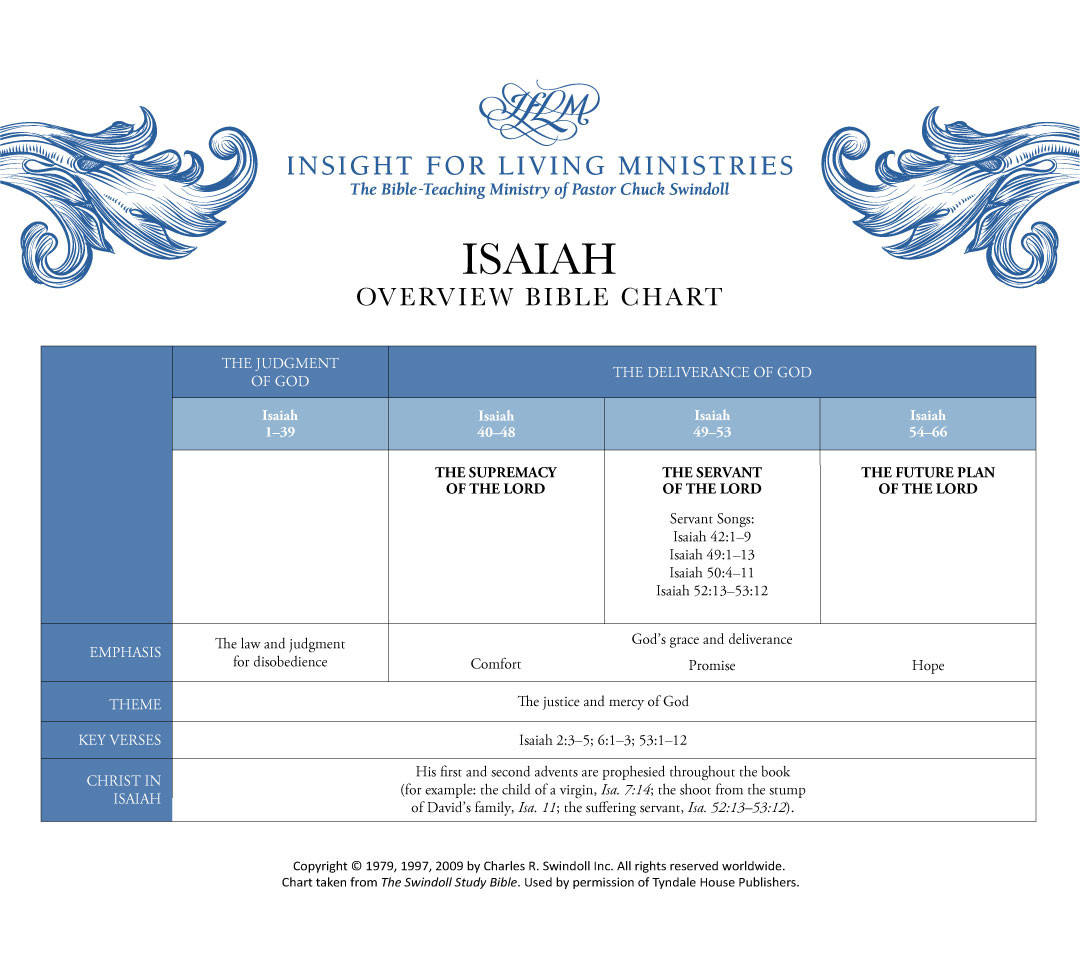
Many readers find it helpful to see the book in three parts. This does not force a view. It just maps the flow of the text.
Proto-Isaiah (Chapters 1–39)
These chapters sit in the eighth century BCE. They address Judah and the threat of Assyria. The tone is sharp, yet full of hope. Zion will be lifted up. A child will be born. The nations will stream to God’s light.
Deutero-Isaiah (Chapters 40–55)
Here we hear comfort for exiles. Jerusalem has paid her dues. God will bring his people home. Cyrus, a foreign king, is God’s tool. The Servant Songs appear and lift a vision of suffering and mission.
Trito-Isaiah (Chapters 56–66)
These chapters look at life back in the land. They address worship, justice, and community. They picture a new creation. They call for a faith that shows up in deeds.
If you want to answer who wrote the book of Isaiah with care, this structure helps. It shows how the message speaks to changing times yet keeps one hope.
Manuscripts, the Canon, and What They Show
The Great Isaiah Scroll from the Dead Sea is key. It dates to about the second century BCE. It holds all 66 chapters in one long scroll. This shows that by then the book was read as one work.
We also have the Masoretic Text and the Greek Septuagint. They help us compare readings and see how the book was kept. Textual study shows a stable book with some small variants. That supports the idea of a shaped and treasured whole.
So, who wrote the book of Isaiah in light of the manuscripts? The scrolls tell us the book stood as one early on. They do not, by themselves, settle how and when the parts first came to be.

Unity in Diversity: Themes that Bind Isaiah
The book holds strong themes that run from start to end. God is the Holy One of Israel. Justice and mercy form true faith. Idols fail. The poor matter. The nations are in view.
The messianic hope grows through the book. A child brings light. A king rules in peace. A servant bears pain for many. A new heaven and earth close the book. These shared threads help answer who wrote the book of Isaiah with a both-and: one voice, many echoes.
How to Read Isaiah with Insight?
If you ask who wrote the book of Isaiah, you also ask how to read it well. Here are simple steps I use with students and small groups.
- Start with the setting. Note the empire in view: Assyria, Babylon, or Persia.
- Track key refrains. Watch for Holy One of Israel, remnant, justice, and Zion.
- Read in large chunks. Let themes repeat and build.
- Use cross-references. Isaiah shaped later books and the New Testament.
- Hold both views with respect. One author or many, the message still calls for faith and action.
Mistakes to avoid are common. Do not force a single lens on every line. Do not ignore how new times need old truth. Do not miss how poetry works with images and parallel lines.
What I’ve Learned Teaching and Studying Isaiah
When I first led a class on Isaiah, I asked people to mark the phrase in that day. Eyes opened as patterns set in. The book felt alive and ordered. That moment changed how I saw the flow.
I have also sat with people who asked who wrote the book of Isaiah with pain in mind. They needed the comfort parts to be real for their time. Whether one prophet spoke it all or a school shaped it, the comfort still reached them. For me, that is the heart of Isaiah’s authority.
Frequently Asked Questions of who wrote the book of isaiah
Did Isaiah son of Amoz write the whole book?
Tradition says yes. Many scholars think later prophets in Isaiah’s line added to his work.
Why do some scholars see more than one author?
They see shifts in time, language, and topic after chapter 39. They also note direct focus on the exile and Cyrus.
What is Deutero-Isaiah?
It is a term for chapters 40–55. These chapters speak comfort to exiles and announce a return.
What is the Great Isaiah Scroll?
It is a Dead Sea scroll that holds all 66 chapters. It shows the book was read as one by the second century BCE.
Does authorship change the message of Isaiah?
The core themes stay the same. God’s holiness, justice, and hope for the nations run through the whole book.
How should I answer friends who ask who wrote the book of Isaiah?
Share both the traditional view and the scholarly model. Invite them to read the text and see the themes that bind it.
Can prophecy name future figures like Cyrus?
Readers differ on this point. Some see foretelling; others see later shaping to match events.
Conclusion
The best answer to who wrote the book of Isaiah holds two truths. Isaiah of Jerusalem stands at the start. The book also shows signs of growth across exile and return. Yet from first to last, one hope moves through it like a river.
Let this guide help you read Isaiah with fresh eyes. Test the claims, trace the themes, and weigh the history. If this helped, share it, subscribe for more deep dives, or leave a question so we can keep learning together.