

Most scholars date Romans to AD 56–58, likely winter in Corinth.
If you’ve ever wondered when was the book of Romans written, you’re in the right place. In this guide, I combine careful research with practical insights to explain the most likely date, the place of writing, and why the timing shapes the message.
By the end, you’ll know what scholars conclude, what evidence supports it, and how the timeline impacts interpretation.
The historical context: Rome, Corinth, and a church in transition
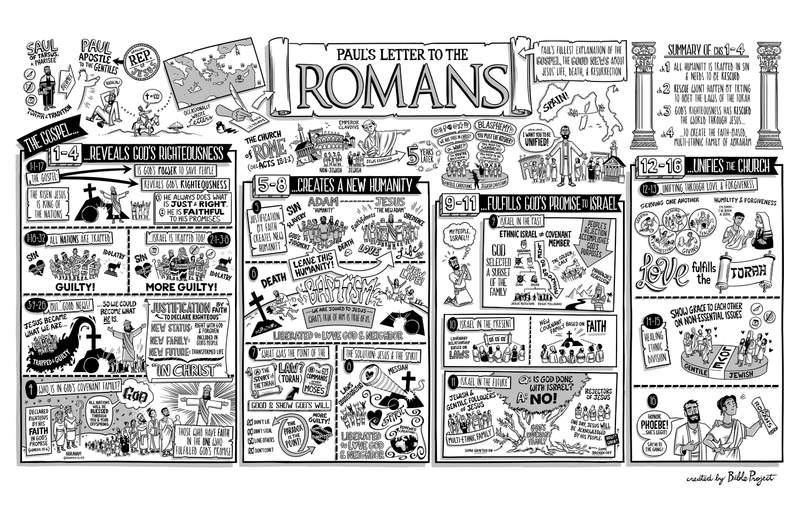
The letter to the Romans sits in a busy moment of first-century history. The emperor was Nero, early in his reign, and the church in Rome was rebuilding after the Jewish expulsion under Claudius.
Many Jewish believers had returned, and the community was adjusting to a new balance of Jewish and Gentile leadership.
This social mix helps explain Romans’ focus on unity and mercy. Paul writes into real tensions about table fellowship, law, and identity. Reading that context helps us see why the date matters for the theology we read on the page.
Key background points:
- Claudius expelled Jews from Rome around AD 49. This shaped the church’s makeup for years.
- Nero allowed returns after AD 54. Romans reflects a mixed, healing community.
- Paul aimed to visit Rome on his way to Spain. Romans is his introduction and a support letter.
The date and authorship in focus
Paul wrote Romans near the end of his third missionary journey. The strongest window is AD 56–58, with many scholars preferring the winter of AD 57. This lines up with events in Acts and notes inside the letter itself.
In my work with students, I often start with the simple question: when was the book of Romans written? The best answer ties together travel plans in Acts, names in Romans 16, and Roman imperial history. Put together, the evidence points to Corinth or its port, Cenchreae, in the mid-to-late 50s.
Why most scholars land on AD 56–58:
- Paul speaks of carrying a collection to Jerusalem, which he gathered over years.
- He plans Rome and Spain after Jerusalem, matching Acts 19–21.
- He greets people tied to Corinth, which supports the place and time.

Internal evidence in Romans that points to the date
Romans gives strong clues about timing and location. These are simple details, yet they add up fast. When I first mapped these names and places, the picture of a Corinth setting clicked.
Key internal markers:
- Romans 15:25–26: Paul is about to take aid to Jerusalem. This is just before his arrest there.
- Romans 16:1–2: He commends Phoebe from Cenchreae, the port of Corinth. She likely carried the letter.
- Romans 16:23: Gaius is Paul’s host and Erastus is the city treasurer. Both fit Corinth.
- Romans 16:22: Tertius served as the scribe, a detail consistent with Paul’s practice late in journeys.
These lines make it easier to answer when was the book of Romans written with confidence. The letter’s travel logic and local names align with a Corinth base in the mid-50s.

External evidence and early witnesses
Outside the letter, other data points support the mid-50s window. Acts places Paul in Greece for three months before he heads to Jerusalem. Inscriptions and early Christian citations add weight.
Helpful external anchors:
- Acts 20:2–3 shows Paul in Achaia (Greece) for three months, a perfect setting for a long letter.
- The Gallio inscription dates Gallio’s proconsulship to AD 51–52, which stabilizes the wider timeline.
- An inscription in Corinth mentions an Erastus who was a city official, fitting Romans 16:23.
- Early Christian writings cite Romans as Pauline and authoritative, showing early acceptance of authorship and context.
This mix of Acts, archaeology, and early church use works well with a mid-50s date. It supports the core claim behind when was the book of romans written.
Place of writing and delivery
The place is almost certainly Corinth or nearby Cenchreae. The letter’s closing greetings are rich with hints. They read like local color painted across a real city.
Details that point to Corinth:
- Phoebe of Cenchreae likely delivered the letter. Paul urges the Romans to help her.
- Gaius hosts Paul, matching the Corinthian network known from other letters.
- Erastus appears as a city official, consistent with known Corinthian civic life.
- Paul’s travel plan runs Corinth to Jerusalem, then to Rome and Spain. Romans is his bridge to Rome.
When people ask me when was the book of romans written, I add this simple travel map. It makes the letter feel grounded and helps readers track Paul’s aims with clarity.

A practical timeline that anchors the date
A short, clear timeline helps settle the question. It ties together letters, Acts, and Roman history. Use it as a reference while you read Romans.
Key points on the timeline:
- AD 49: Claudius expels Jews from Rome. Aquila and Priscilla leave.
- AD 51–52: Gallio governs Achaia. Acts mentions Paul in Corinth under Gallio’s watch.
- AD 55–56: Paul in Ephesus, organizing the collection for Jerusalem.
- AD 56–58: Paul travels through Macedonia and Achaia; winters in Corinth.
- Winter AD 56/57 or 57/58: Paul writes Romans in Corinth/Cenchreae.
- AD 58: He arrives in Jerusalem and is arrested.
- AD 60–62: Paul under house arrest in Rome, writing later letters.
This path makes the best sense of when was the book of romans written. It fits both internal clues and external dates we can test.

Why the date matters for interpretation?
The mid-50s date is not trivia. It shapes how we read the book. Paul writes to a church healing from social upheaval and learning to live as one.
What the date helps explain:
- The stress on Jew and Gentile unity after a time of separation.
- The focus on the collection for Jerusalem and Paul’s travel plan.
- The bold missional push toward Spain, with Rome as a base.
- The mature tone of Paul’s theology after years of ministry.
When I guide a study, I start with when was the book of romans written because timing lights the path. The date acts like a key, unlocking why the letter speaks the way it does.
Debates and uncertainties you should know
Not all scholars pick the same month or even the same year. A few argue for AD 55, others for AD 58. The core range, though, remains stable.
Points often discussed:
- A minority propose Ephesus as the place. The internal names favor Corinth instead.
- Some split Romans 16 from the main letter. Even then, the overall dating stays mid-50s.
- The exact winter (56/57 vs. 57/58) is debated. Both fall inside the same historical window.
These debates are healthy and honest. They keep us careful when we ask when was the book of romans written and help us separate firm ground from open questions.
Frequently Asked Questions of when was the book of romans written
What is the most likely year Romans was written?
Most scholars choose AD 57, during Paul’s three-month stay in Corinth. Some place it in AD 56 or 58, but the mid-50s window is standard.
Where was Romans written?
Corinth or its port Cenchreae is the best fit. Names like Phoebe, Gaius, and Erastus match that location.
How does Acts help date Romans?
Acts 20:2–3 shows Paul in Greece for three months before Jerusalem. That period aligns with the time needed to compose Romans.
Why does the date matter for interpretation?
The date explains the focus on Jew-Gentile unity after Claudius’s expulsion. It also clarifies Paul’s plan to bring aid to Jerusalem and then visit Rome.
Who carried Romans to the church in Rome?
Phoebe, a deacon from Cenchreae, likely carried the letter. Paul commends her and asks the Romans to welcome her.
Is Pauline authorship disputed?
No, Romans is one of the least disputed letters of Paul. Early Christian writers quote it freely as his work.
Does the Gallio inscription affect the date?
Yes, it anchors Paul’s time in Corinth around AD 51–52. This stabilizes the larger timeline toward a mid-50s date for Romans.
Conclusion
Romans most likely came from Corinth in the winter of AD 57, as Paul prepared to carry aid to Jerusalem and then push on toward Rome and Spain.
That date fits the letter’s tone, its names, and the wider world of Acts and early empire life. With this timeline in hand, the message of unity and mercy shines even brighter.
Use this insight to read Romans with fresh eyes this week. If this guide helped you, subscribe for more deep dives, explore related studies, or leave a comment with your questions.