

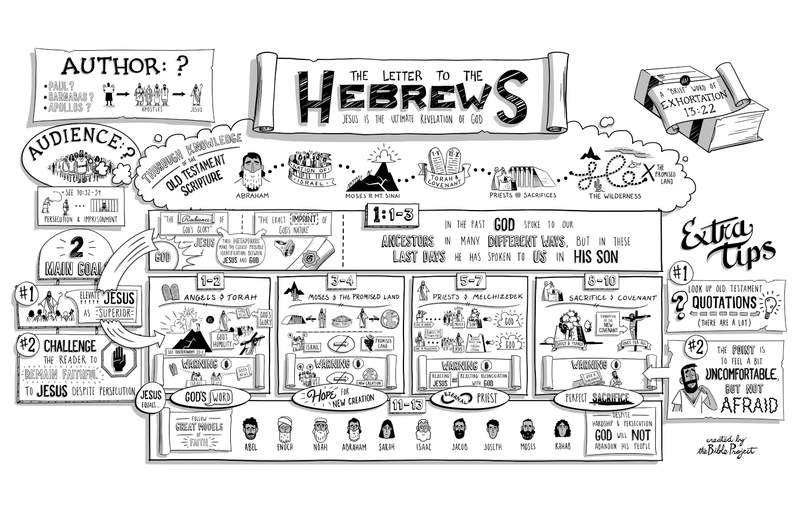
The author is unknown, though Paul, Barnabas, Apollos, or others are proposed.
The question who wrote the book of Hebrews has intrigued readers for centuries. I have guided many study groups through this letter, and the debate always sparks fresh insight.
In this article, I explain the evidence, weigh the best views, and show why the question who wrote the book of Hebrews still matters for faith and study today.
Read on for a clear, research-based walk through the major candidates, the historical clues, and practical steps to reach a thoughtful view.

The Debate at a Glance
The short answer to who wrote the book of Hebrews is this. The early church did not agree. Some linked it to Paul. Others were unsure. A few proposed other names.
Ancient voices admitted the limits. One famous line says, only God knows the truth here. That humble stance still helps. We also have evidence that points in several directions. So we weigh signals, not certainties.
If you ask who wrote the book of Hebrews for study or teaching, keep two goals. Be fair to the data. Stay open to mystery. This balance brings peace and sharper reading.

Historical Context and Audience
Hebrews addresses believers with deep ties to Israel’s scriptures. They faced pressure, doubt, and pain. They needed courage to endure. The letter lifts Jesus as the better priest and the better covenant.
The audience likely lived in a large urban center. Italy is possible. The closing greetings mention people from Italy. Worship patterns and temple language feel current. But the writer also uses those themes in a rich, symbolic way.
This context matters if you ask who wrote the book of Hebrews. A leader skilled in scripture and rhetoric seems likely. The author knew the Greek Bible very well.
Internal Evidence from Hebrews
Hebrews never names its author. That is unusual. The writer also says the message came from those who heard the Lord. This detail suggests the author was not an original apostle.
The style is polished. The Greek is elegant and careful. The structure reads like a sermon. The flow blends warning and comfort.
If you ponder who wrote the book of Hebrews, note the tone. It is pastoral, learned, and urgent. The writer knows suffering and hope.

External Evidence from the Early Church
Early Christians quoted Hebrews with respect. They used it in worship and teaching. But they did not agree on the author. Some in the East leaned toward Paul. Many in the West hesitated.
Teachers in the early centuries listed other options. Some mentioned Barnabas. Others floated Luke or Clement. A few avoided the question with a gentle shrug.
When asking who wrote the book of Hebrews, their witness helps. It shows the book was loved and trusted even when the signature was unclear.

Leading Candidates for Authorship
Scholars test several names. Each has strengths and gaps. Here are the leading options and how they fit the clues.
Paul
Pros:
- Strong theology of Christ and faith.
- Early acceptance in some regions.
- Shared co-workers and travel references fit the era.
Cons:
- No greeting or name, unlike Paul’s letters.
- Style and vocabulary differ a lot.
- The writer seems to have heard the gospel secondhand, which does not fit Paul.
Verdict: If you ask who wrote the book of Hebrews, Paul is possible but unlikely. Most modern scholars say no.
Barnabas
Pros:
- Known as a Levite. Temple themes might fit his background.
- An early writer linked Hebrews to Barnabas.
- A pastoral and encouraging voice suits his name, Son of Encouragement.
Cons:
- We lack samples of Barnabas’s style for a match.
- No strong, widespread ancient tradition supports it.
Verdict: A reasonable option. Not proven.
Apollos
Pros:
- An eloquent teacher from Alexandria. That city prized skilled rhetoric.
- Mighty in the scriptures. Hebrews shows deep skill with the Greek Old Testament.
- Fits the polished style and strong argument.
Cons:
- No ancient source firmly names Apollos as author.
- Some details do not match known facts about him.
Verdict: Many scholars today favor Apollos. For who wrote the book of Hebrews, he is a strong candidate, though not certain.
Luke
Pros:
- Smooth Greek and careful structure match his known skill.
- Shared themes of perseverance and faith.
Cons:
- Luke’s voice seems different in key ways.
- Hebrews reads more like a sermon than a history or narrative.
Verdict: Possible, but less likely than Apollos or Barnabas.
Priscilla
Pros:
- A gifted teacher who worked with Paul.
- Anonymity could explain why a woman’s name is missing.
Cons:
- No ancient source suggests Priscilla here.
- Several details do not align with what we know of her role.
Verdict: Creative and interesting, but speculative.
When people ask who wrote the book of Hebrews, these names surface again and again. Each one shows how the early church had many gifted leaders beyond the Twelve.
Date, Place, and Language
Language: Hebrews was composed in Greek. It does not read like a translation. The Greek is expert and exact.
Date: Many place it before 70 CE. The temple imagery feels fresh. Others suggest a date after 70 but within living memory. The letter fits a time of testing and change.
Place: The note about Italy suggests ties to Rome. Travel remarks also match the network of early Christian workers. If you are sorting out who wrote the book of Hebrews, these clues point to a well-connected teacher in the wider mission.
Theology and Literary Style
Theology: Jesus is the great high priest. He is greater than angels, Moses, and Aaron. The new covenant surpasses the old. The sacrifice is once for all.
Style: The book reads like a homily that becomes a letter at the end. It blends warning and comfort. It calls for endurance and hope.
These traits refine the search for who wrote the book of Hebrews. The author was a pastor-theologian. He knew scripture deeply and spoke to tired souls.
Why Authorship Matters Today
Authorship shapes how we weigh tone and method. But it does not change core truth. The church received Hebrews for its sound teaching. It points us to Jesus and to steadfast faith.
In my own work with study groups, the authorship question opens rich talks. People see the careful structure and kind heart of the writer. It makes the message feel close.
So, when you ask who wrote the book of Hebrews, also ask, what does it call me to do today? The answer is clear. Draw near. Hold fast. Encourage others.
How Scholars Study the Question
Scholars use several tools to test who wrote the book of Hebrews.
- Text comparison. They compare vocabulary, syntax, and rhetorical patterns with known authors.
- Historical sources. They study old lists, sermons, and letters that mention Hebrews.
- Theology mapping. They note themes and how they match early Christian voices.
- Stylometry. They run statistical checks on word use and style.
- Context clues. They weigh travel notes, greetings, and the audience’s needs.
Each method helps, but none seals the case. This is why who wrote the book of Hebrews remains open. Yet the mix of tools still guides a clear, humble view.
Practical Study Tips and Resources
Here are ways to explore the question with care.
- Read Hebrews in one sitting. Note where the tone shifts from exposition to appeal.
- List key themes. Priesthood, covenant, sacrifice, and endurance stand out.
- Compare with Romans, 1 Peter, and Acts. Look for overlaps and differences in style.
- Track quotes from the Greek Old Testament. Notice how the author argues from scripture.
- Journal your insights. Ask how who wrote the book of Hebrews shapes your reading, and where it does not.
I often ask groups to write a one-page case for Apollos and another for Barnabas. Then we share and test the ideas together. This hands-on step makes the data stick and keeps the tone kind.
Frequently Asked Questions of who wrote the book of hebrews
Who wrote the Book of Hebrews according to most scholars?
Most scholars say the author is unknown. The evidence does not allow a firm name.
Did the Apostle Paul write Hebrews?
Probably not. The style, vocabulary, and lack of a name point away from Paul.
Why do some think Apollos wrote Hebrews?
He was eloquent, skilled in scripture, and linked to Alexandria. These traits fit the polished Greek and strong arguments.
What early sources say about authorship?
Early writers show mixed views. Some suggest Paul or Barnabas, while others say only God knows.
Does authorship affect the book’s authority?
No. The early church used Hebrews widely for teaching and worship. Its message stands on its truth, not on a signature.
When was Hebrews written?
Likely in the late first century. Some date it before 70 CE, others soon after.
Who was the audience of Hebrews?
Jewish Christians under pressure. They needed courage, clarity, and hope in Christ.
Conclusion
The best answer to who wrote the book of Hebrews is careful and humble. The author’s name is lost, but the voice is clear. We hear a wise pastor and strong theologian urging tired believers to hold fast to Jesus.
Use this study to deepen your reading. Try a one-sitting read this week. Share one insight with a friend. If this guide helped you, subscribe or leave a comment with your best case for the author. Your view may sharpen someone else’s study, too.