

Donate, sell, swap, upcycle, recycle, or preserve them based on condition.
If you’re wondering what to do with old books, you’re in the right place. I’ve helped libraries, schools, and families move thousands of titles with care and purpose.
In this guide, I’ll show you what to do with old books in smart, ethical, and creative ways that respect both their value and the planet. You’ll find practical steps, clear options, and lessons learned from real projects.

First, assess value and condition
Start by sorting before you act. A quick triage saves time and avoids mistakes.
Use this simple three-pile method:
- Keep: Books you love, reference often, or plan to reread.
- Rehome: Solid copies with normal wear that others will want.
- Retire: Damaged, moldy, or outdated copies that need special handling.
Check for special value. Early editions, signed copies, small-press runs, and niche academic titles can do well. Look for an ISBN near the barcode. Compare sold listings, not asking prices, to set real expectations. This step grounds what to do with old books in facts, not guesswork.
Handle with care. Avoid tape on pages. Keep books dry and clean. If you see active mold, isolate the item in a sealed bag and move it outside your living space.

Donate strategically
Donation is fast, kind, and tax-deductible in many cases. But make sure your books fit the group’s needs.
Where to donate:
- Public libraries: Many accept current fiction, children’s books, and recent nonfiction for sales.
- Prison and jail programs: Prefer paperback, no spiral-bound, with content rules.
- Schools and literacy nonprofits: Love children’s books in good shape.
- Hospitals and shelters: Prefer clean, uplifting, and portable reads.
- Little Free Library boxes: Great for neighborhood sharing and faster turnover.
Prepare your donation:
- Sort by category and condition to help volunteers.
- Remove bookmarks and notes with personal data.
- Box by weight, not size, to prevent injuries.
Ask first. Many groups post wish lists and limits. Following their policy ensures your plan for what to do with old books helps, not burdens, volunteers.
Sell or trade for value
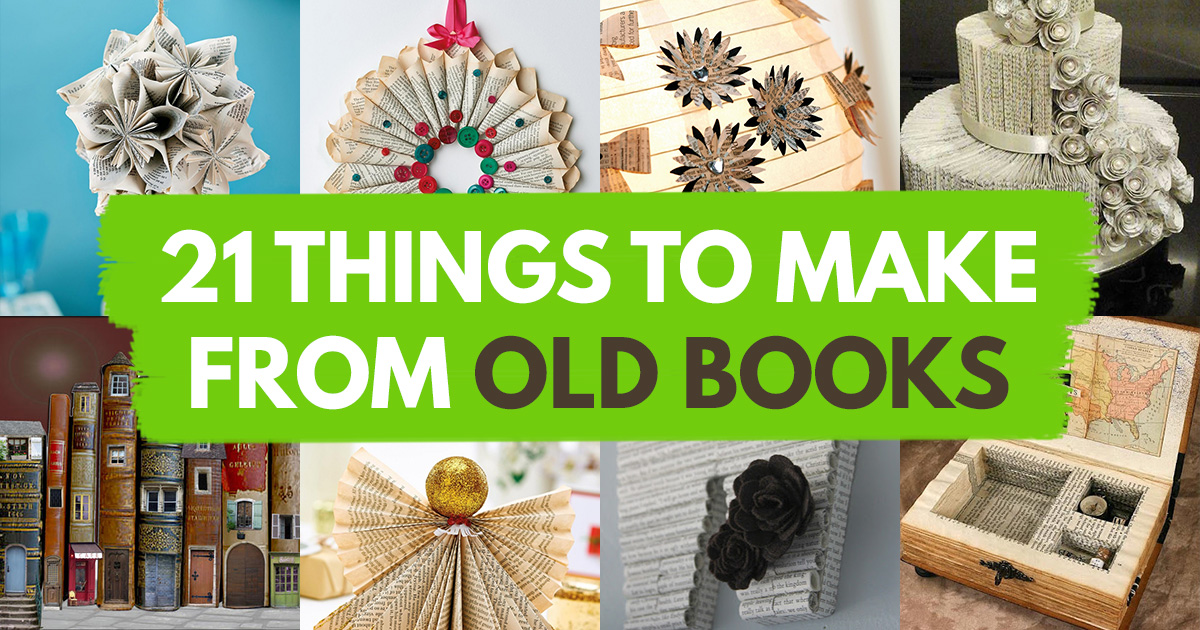
If you have time, selling can fund new reading or support a cause.
Best channels:
- Local used bookstores: Quick cash or store credit. Credit often pays more.
- Online marketplaces: eBay, specialized book sites, and community apps work well for niche titles.
- Textbook buyback: ISBN-based quotes are fast. Compare several buyers.
- Book fairs and yard sales: Good for bulk lots priced to move.
Pricing and process tips:
- Search sold listings for your exact ISBN and edition.
- Photograph covers and tables of contents in good light.
- Ship with a plastic inner sleeve and stiff mailer to prevent damage.
- For large sets, offer local pickup to avoid heavy postage.
I once listed a battered but rare poetry chapbook for a small press. It sat for months, then sold overnight to a researcher. That taught me a key rule for what to do with old books: the right buyer matters more than speed.
Repurpose and upcycle with care
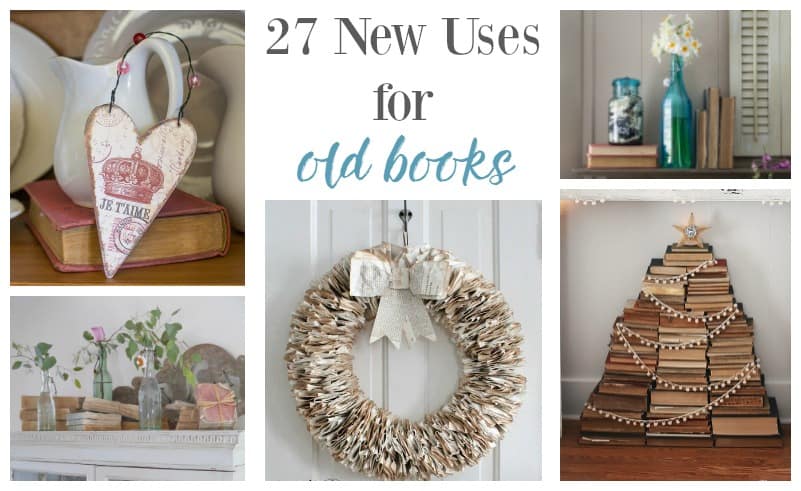
Not every book needs a bookshelf. Some can have a second life as art or storage.
Project ideas:
- Secret storage book: Hollow the center, glue the edges, line with fabric.
- Display risers: Stack sturdy, damaged books under plants or decor.
- Wall art: Frame beautiful dust jackets or illustrated plates.
- Table centerpiece: Tie a twine stack and add a small floral stem.
- Paper crafts: Turn torn pages into origami, wreaths, or gift tags.
Ethical upcycling rule: Never cut an uncommon or valuable edition. If you are unsure, pause and appraise first. This balance keeps what to do with old books both fun and respectful.

Recycle responsibly
When a book is too worn to donate or sell, recycling keeps it out of the landfill.
Steps that work:
- Check your local recycling site for book rules. Some curbside programs want covers off because of glue.
- Remove plastic covers or spiral bindings when asked.
- Shred or tear pages if required. Pulp-friendly paper keeps mills running efficiently.
- If curbside declines books, call a commercial recycler, city drop-off center, or a reuse warehouse.
Industry data shows paper recycling saves energy and water compared to landfilling. That makes recycling a strong choice in any plan for what to do with old books.

Build community with your books
Books are social tools. Use them to spark local connection.
Ideas to try:
- Host a neighborhood book swap with simple rules and a bring-one, take-one table.
- Start or stock a Little Free Library. Track which themes move fastest.
- Try BookCrossing-style sharing by labeling books and following their journey.
- Organize a themed exchange at work or school to support reading goals.
In one building swap I ran, we sorted by genre and set a one-week pickup window. Ninety percent found homes. Events like this show what to do with old books can also build culture and joy.
Preserve what matters
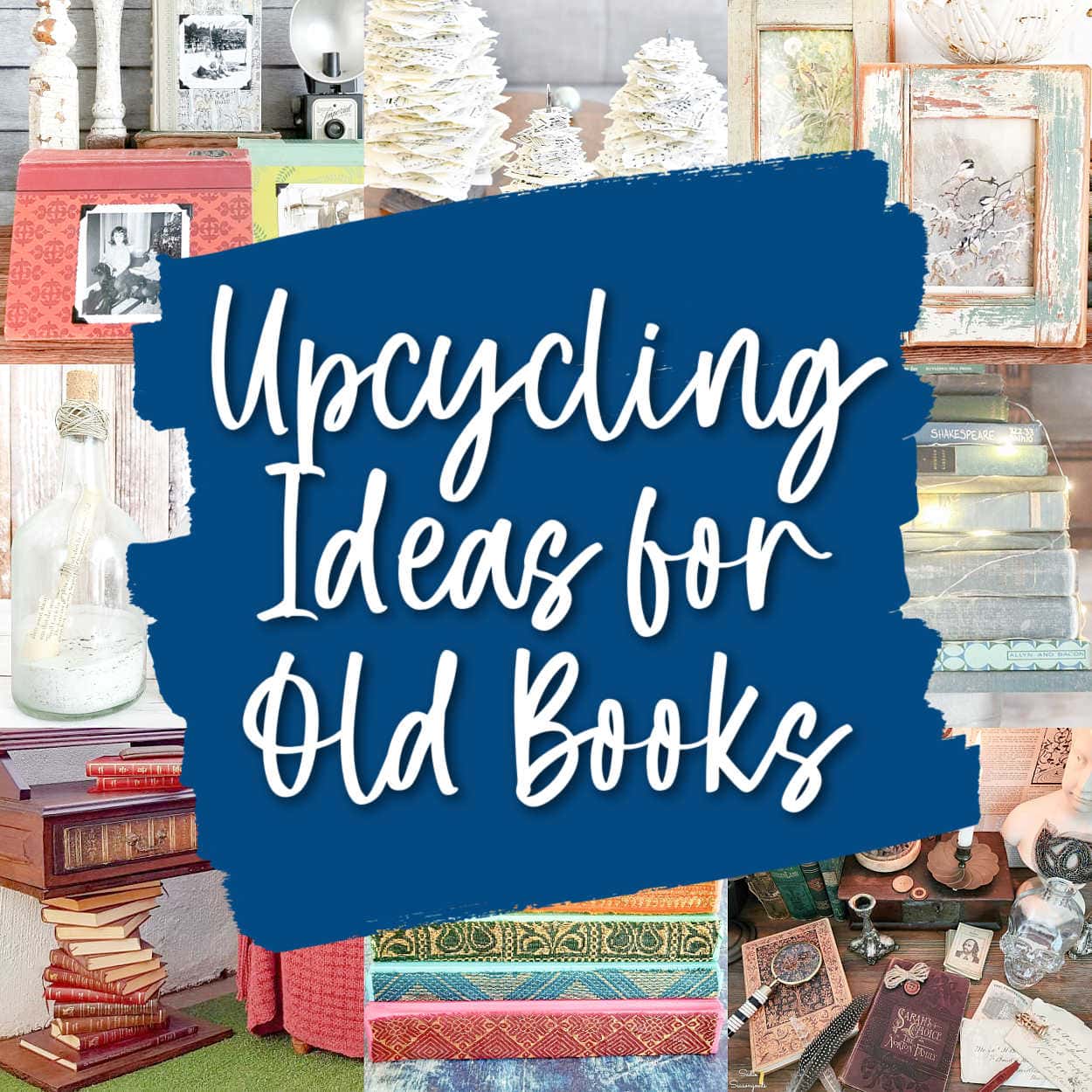
Some books should stay with you. Preserve them so they last.
Storage best practices:
- Keep books upright and supported. Use bookends to prevent slumping.
- Aim for stable humidity around 40–50 percent and moderate temperatures.
- Avoid direct sun. UV fades jackets and weakens cloth.
- Dust gently with a soft brush from spine outward.
For repairs, use archival, acid-free materials. Skip packing tape and rubber bands. If you feel unsure, consult a conservator. Long-term care is a thoughtful part of what to do with old books you love.
Go digital when it makes sense
Digital tools can extend access without clutter.
Practical moves:
- Borrow e-books and audiobooks from your library with a card and a free app.
- Scan personal notes or indexes from bulky books you plan to part with.
- Use OCR to make personal, searchable summaries for study or reference.
- Respect copyright and privacy. Keep scans for your own use unless rights are clear.
These steps reduce storage needs and keep the heart of a book close. It is a modern answer to what to do with old books when space is tight.

Special cases that need extra care
Some categories have their own rules.
What to watch:
- Textbooks and technical guides: Donate only if recent. Sell or recycle outdated ones.
- Children’s books: Check for recalls or safety issues on very old editions.
- Religious materials: Some communities prefer respectful transfer to houses of worship.
- Water damage and mold: Never donate. Bag, label, and dispose following local rules.
- Magazines and catalogs: Most are recyclable. Donate only if niche and in demand.
Safety note: Mold can trigger allergies. Wear a mask and gloves if handling. Responsible care is central to what to do with old books that are compromised.
A simple action plan you can follow today
Use this checklist to move from clutter to clarity.
Step-by-step:
- Set a 30-minute timer and sort into keep, rehome, and retire.
- Pull 5 to 10 likely valuable titles and price-check them.
- Pick one donation outlet and read its guidelines.
- Choose one online or local selling route for higher-value items.
- Box donations, label them, and schedule a drop-off this week.
- Recycle the unsalvageable items per local rules.
- Pick one upcycle project as a creative win.
- Save space by going digital for notes or references.
Repeat monthly until your shelves match your goals. This is the most reliable way to master what to do with old books without stress.
Frequently Asked Questions of what to do with old books
How do I know if an old book is valuable?
Check the edition, printing, condition, and demand. Compare recent sold listings for your exact ISBN or details to set a realistic price.
Can libraries use all donated books?
No. Most accept clean, current, and popular titles. Check their wish lists and donation hours to ensure a good fit.
What should I do with moldy books?
Do not donate them. Seal the book in a bag, protect yourself with a mask and gloves, and follow local disposal or recycling rules.
Is it okay to recycle hardcover books?
Often yes, but many programs ask you to remove the covers first. Confirm with your local recycling guidelines before placing them in the bin.
Where can I sell used textbooks quickly?
Try ISBN-based buyback sites and compare quotes. Local campus stores and online marketplaces are also good for recent editions.
How can I upcycle books without damaging valuable ones?
Research the title before you cut or glue. Only upcycle common, damaged, or low-demand copies to avoid harming cultural value.
What is the best way to store books long-term?
Keep them upright, cool, dry, and out of direct sun. Use archival materials and avoid tape, rubber bands, and damp areas.
Conclusion
Old books deserve thoughtful next steps that match their condition and your goals. You can donate, sell, swap, upcycle, recycle, or preserve them with simple, repeatable actions.
Start with a 30-minute sort, pick one channel, and make progress today. If this guide helped, share it, subscribe for more practical home library tips, and tell me in the comments what to do with old books you plan to try next.