

Smut in books refers to explicit sexual content intended for consenting adults.
If you have ever asked what does smut mean in books, you are not alone. As a publishing editor and book club moderator, I’ve seen how this term can confuse new readers.
In this guide, I explain the meaning, history, and the many shades of smut. You will learn how to identify it, how it differs from romance and erotica, and how to read or write it with care.
What does smut mean in books? Definition and origins
Smut in books is a slang term for explicit sexual content. It focuses on adult intimacy on the page. It is common in romance, fanfiction, new adult, and some literary work.
When people ask what does smut mean in books, I give a simple test. If the book shows sexual acts in clear detail and the goal is arousal or emotional charge, it is smut. The word is informal, but the idea is clear.
The term has older roots that meant soot or dirt. Over time, it shifted to mean obscene or indecent matter. Today, readers use it as a casual label for explicit scenes. Retailers and libraries still use formal tags like adult, erotica, or explicit content.
At its core, what does smut mean in books comes down to intent and detail. If the scene is explicit and written for adults, it falls under smut, even if the rest of the story is tender, dark, or funny.

Smut vs romance, erotica, and spice
The terms blend in daily talk, but they are not the same.
- Romance centers on a love story and a happy or hopeful end. It may include sex, but the love arc comes first.
- Erotica centers on sexual desire and exploration. The sex is the main plot.
- Spice is a casual way to rate heat. It can be mild or very hot.
- Smut is an informal word for explicit sex on the page. It can show up in romance, erotica, or other genres.
If you wonder what does smut mean in books when a blurb says spicy, think context. Spicy may mean a few open-door scenes or many explicit chapters. Check the tags, content notes, and sample pages.
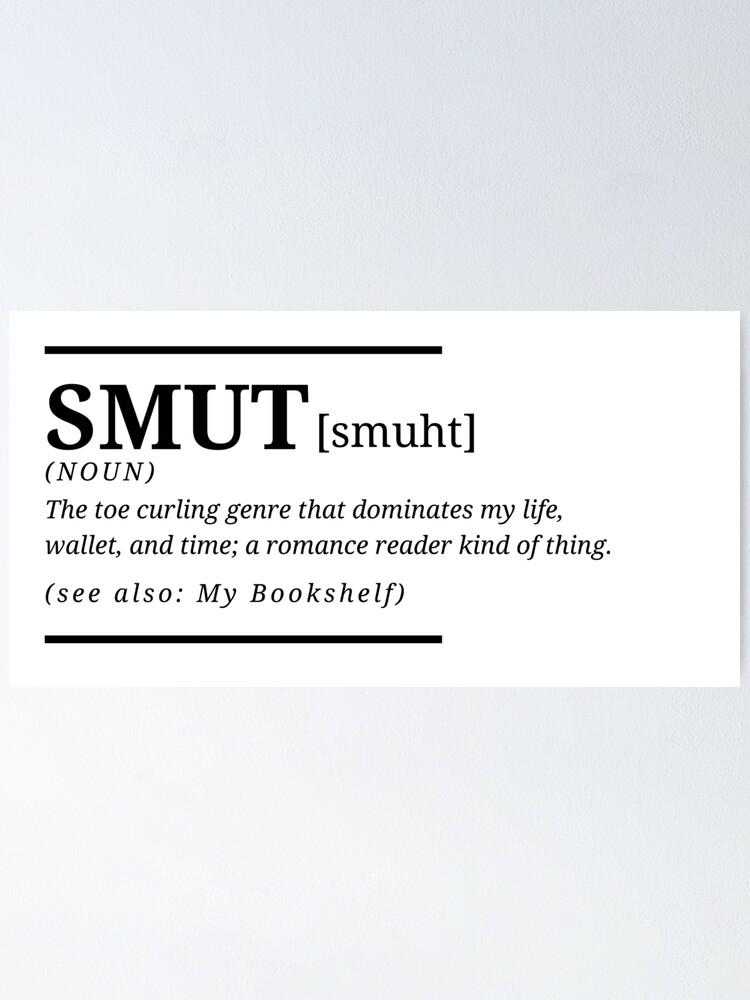
Content levels and heat ratings
Readers use heat scales to set expectations. These scales are not standard, but they help.
- Closed door: The scene fades to black. No explicit detail.
- Open door: The scene enters the room. Some detail, but not graphic.
- Explicit: Clear sexual acts on the page. This is smut.
- Extreme content: Kinks, taboos, or intense power play. Requires clear content warnings.
Some communities use peppers, flames, or numbers to rate heat. A three-to-five scale is common. If you ask what does smut mean in books on a rating chart, it is usually the top tier with explicit scenes.
As an editor, I ask writers to add content notes. Clear notes build trust and reduce confusion.
Why readers seek smut?
People read smut for many reasons. It is not one-size-fits-all.
- Pleasure and intimacy: It offers release and joy.
- Emotional depth: It shows trust, vulnerability, and growth.
- Safe exploration: Readers can explore fantasies in a private, safe way.
- Community: Book clubs and online groups share recs and support.
I learned this while hosting a romance and smut night at a local shop. When I asked what does smut mean in books for each person, answers varied. Some wanted healing arcs. Others wanted pure fun. Many wanted both.
How to spot smut in book descriptions?
You can find clues in blurbs, tags, and categories.
- Look for tags like explicit, adult, open door, and heat level.
- Check retailer categories such as erotica or erotic romance.
- Read sample pages or the Look Inside feature.
- Scan for content warnings about consent, power dynamics, or kinks.
- Ask the community. Review lists and reader notes are very helpful.
If the question is what does smut mean in books at your library, ask a librarian. Many systems label adult materials and can guide you to the right shelf.

Age appropriateness, consent, and ethics
Smut is for adults only. That means 18+ or the legal age in your region. This point is not flexible.
Ethical smut centers consent and respect. Many books show clear verbal consent, safety practices, and aftercare. When readers ask what does smut mean in books that are healthy, I highlight these signs:
- Consent is clear and ongoing.
- Boundaries are named and kept.
- Power gaps are handled with care.
- Harmful myths are not treated as romance.
Laws and platform rules vary. Know your local rules if you publish or sell. Responsible reading and writing protect everyone.
Writing and marketing smut responsibly
If you write smut, clarity and care matter.
- Add content warnings and heat ratings.
- Use precise language for consent and boundaries.
- Avoid glamorizing harm. If dark themes appear, frame them with care.
- Consider sensitivity readers for identities and kinks outside your lane.
- Follow retailer and platform content policies.
- Use correct metadata so readers can find or avoid explicit content.
When new authors ask me what does smut mean in books from a craft view, I stress intent. Every explicit scene should serve character, plot, or theme. If not, trim it. Less can be more.
Frequently Asked Questions of what does smut mean in books
What does smut mean in books, in simple terms?
It means explicit sexual content written for adult readers. It focuses on on-page intimacy, not fade-to-black scenes.
Is smut the same as erotica?
Not always. Erotica is a genre with sex as the central plot, while smut is a slang label for explicit scenes in any genre.
Can a romance novel include smut?
Yes. Many romance books include smut, but the love story and hopeful end still lead the plot.
How do I know if a book has smut before I buy it?
Check tags, heat ratings, and content warnings. Use sample pages and retailer categories to confirm.
Is smut appropriate for teens?
No. Smut is intended for adults. Teens should read age-appropriate content guided by guardians, educators, or librarians.
Why do people ask what does smut mean in books so often?
Terms vary across communities and platforms. Clear labels and content notes reduce confusion and help readers choose.
Are there rules for writing smut?
Yes. Follow platform policies, center consent, and give content warnings. Use respectful, inclusive language.
Conclusion
Smut is an informal word for explicit sexual content meant for adults, and context is key. When you ask what does smut mean in books, think about intent, level of detail, consent, and how the story uses intimacy. With clear labels and care, readers can choose well, and writers can build trust.
Use this guide to spot what you want, skip what you do not, and support ethical creators. If this was helpful, share it with a friend, subscribe for more reading guides, or leave a comment with your favorite well-tagged reads.