

A YA book is teen-focused fiction or nonfiction, for ages 12 to 18.
If you wonder what is a ya book and why it matters, you are in the right place. I work with teen readers, writers, and teachers, and I have seen what clicks and what flops. In this guide, I explain what is a ya book with clear rules, real examples, and tips you can use right now. Stay with me, and you will leave with a sharp, full view of young adult books.
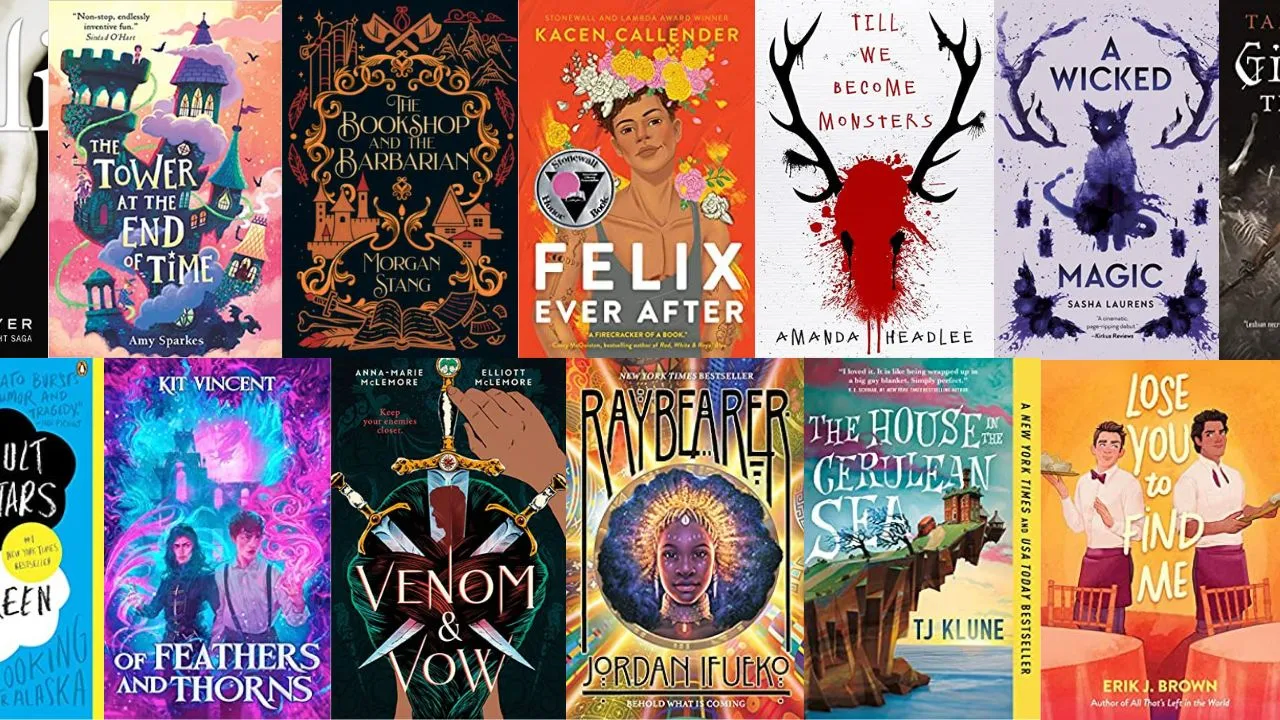
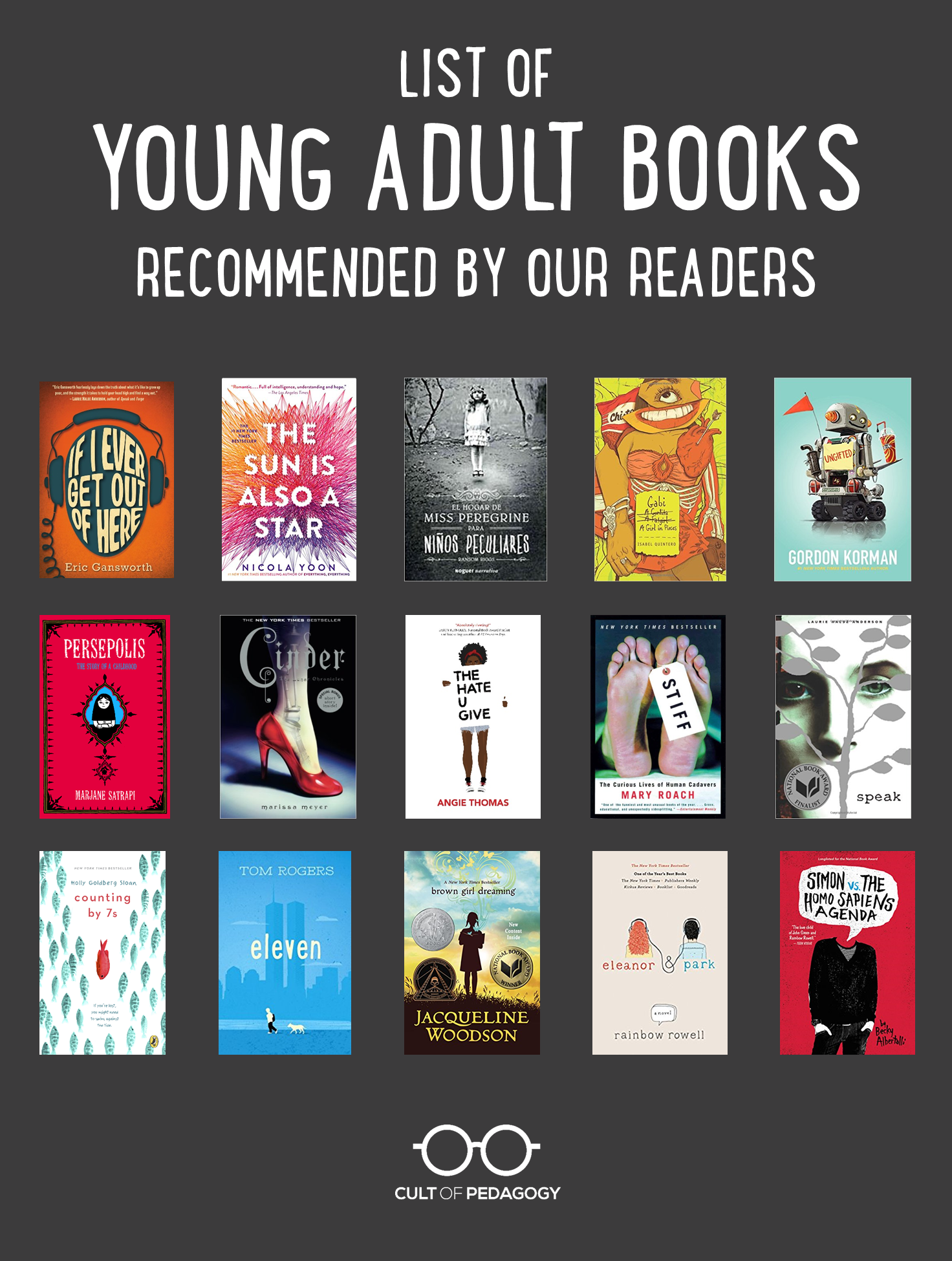
What Is a YA Book? Definition and Scope
A YA book, or young adult book, is a work written for readers ages 12 to 18. The main lead is a teen, and the arc shows growth, choice, and change. The tone is direct and close to teen life. Adults read YA too, but the core lens stays teen.
People often ask what is a ya book versus teen fiction. They are the same in most stores and libraries. YA can be fiction or nonfiction. It can be light and fun or deep and raw.
The heart of what is a ya book is point of view. It centers on teen goals and teen stakes. The world can be real or wild, but the voice feels true to youth.

Core Themes and Topics in YA
YA themes track big firsts. These books show first love, first loss, and first big wins. They face peer ties, home life, and the push for self.
Common topics include:
- Identity and coming of age. Who am I, and who will I be.
- Friends, love, and found family. Trust, consent, and care.
- School, work, and goals. Hope, grit, and set backs.
- Mental health and care. Anxiety, grief, trauma, and joy.
- Social issues. Race, class, gender, faith, and civic voice.
If you ask what is a ya book in terms of theme, it is a mirror and a map. It reflects teen life and shows paths ahead.

Age Ranges, Content Levels, and Crossover Appeal
YA spans a wide band. Lower YA (12–14) leans mild in content. Upper YA (15–18) may hold frank talk on sex, abuse, or crime. Tone and detail vary by book.
Think of content as a dimmer, not a switch. It moves with mood, theme, and need. Many adults read YA for pace, heart, and hope.
When folks search what is a ya book for a 13-year-old, I say check the age band and the content notes. Read a few pages. Trust your gut and the teen.
Writing Style and Voice
Most YA uses a close voice. First person and present tense are common. Chapters stay short. Pacing runs fast but leaves room to feel.
Voice is key. Slang shifts, so keep it light and real. When I edit, I ask, does this sound like a teen now, not a copy of last year. If you ask what is a ya book in craft terms, it is voice plus truth.
Clear stakes guide the plot. The lead must choose and act. The end should bring growth, not just a twist.

Popular Subgenres in YA
YA comes in many lanes. You can match mood and taste with ease.
- Contemporary. Real life now. Family, school, love, and hard talks.
- Fantasy. Magic, quests, courts, and wars of power.
- Science fiction and dystopia. Tech, space, and future states.
- Romance. First love, slow burn, meet-cute, and HEA or HFN.
- Mystery and thriller. Secrets, lies, crime, and tense trails.
- Historical. Past eras with a teen eye.
- Horror. Fear with heart, from ghosts to body horror.
- Nonfiction and memoir. Real teen lives, guides, and issues.
When readers ask what is a ya book that fits a new fan, I start with subgenre. It makes the search fast and fun.

Market, Sales Trends, and Publishing Paths
YA grew fast in the 2000s and still holds strong. Print rules, but audio has soared. Book clubs, schools, and libraries drive steady demand. Social media and BookTok can launch a hit in days.
The buyer mix is wide. Teens lead, but many adults buy YA for pace and hope. Agents want clear comps, a sharp hook, and a tight pitch. Small presses and self-pub also work, but covers and metadata matter.
To answer what is a ya book from a market view: it is a teen-led story with broad pull, sold on hook, voice, and heat with readers.
Notable YA Examples and Why They Work
- The Hunger Games by Suzanne Collins. A fierce lead, stark stakes, and sharp world build.
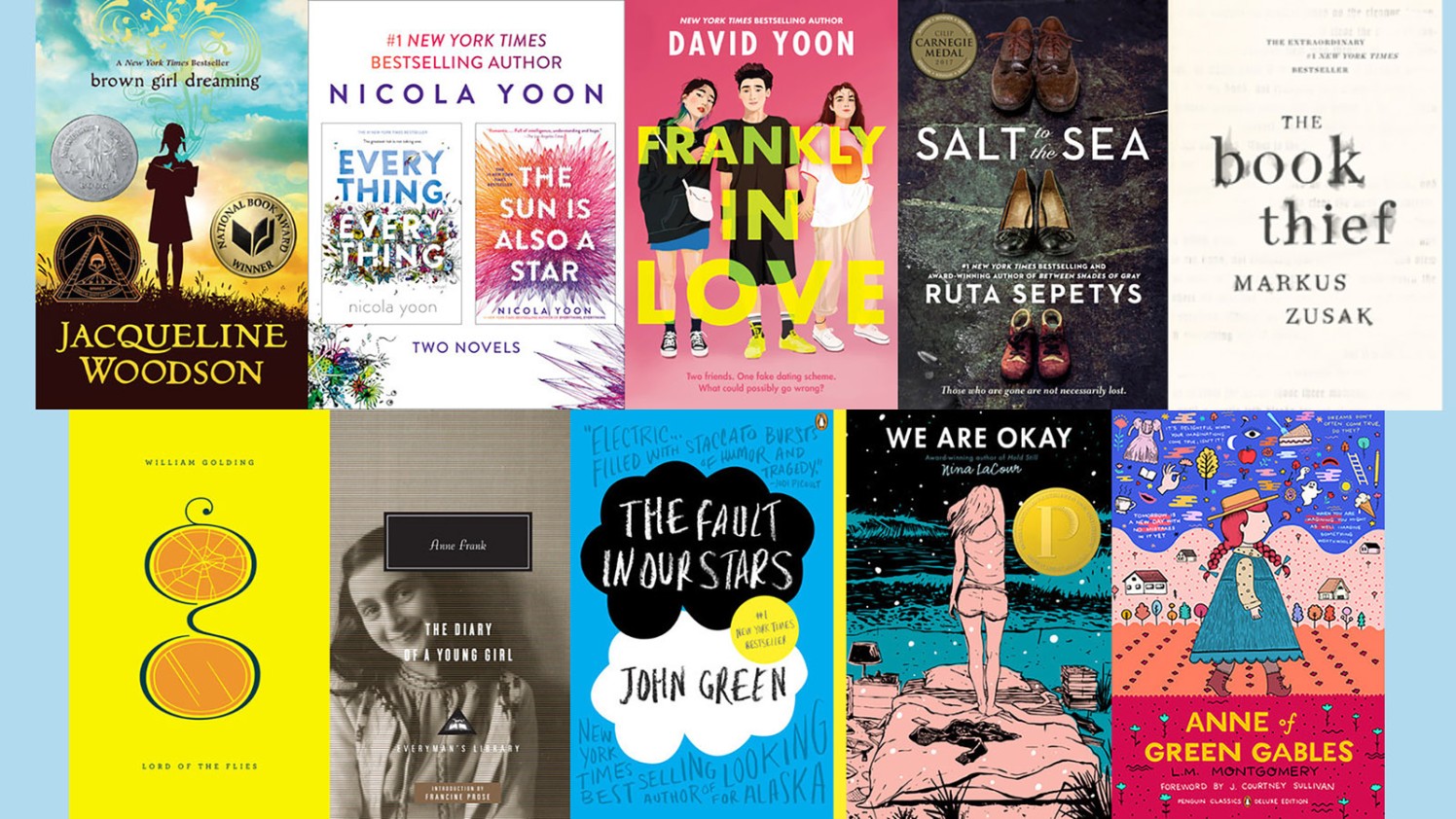
- The Fault in Our Stars by John Green. Big love, big loss, and honest wit.
- The Hate U Give by Angie Thomas. Strong voice and a brave look at race and power.
- Six of Crows by Leigh Bardugo. Found family, high stakes, and twisty heists.
- The Outsiders by S. E. Hinton. Raw teen voice that still hits home.
- Simon vs. the Homo Sapiens Agenda by Becky Albertalli. Joy, nerves, and first love done right.
- One of Us Is Lying by Karen M. McManus. A clean hook and page-turn drive.
Each book shows the core of what is a ya book. A teen lead, true voice, and a choice that changes a life.

How YA Differs from Middle Grade and Adult
- Protagonist age. MG leads are 10–13. YA leads are 14–18. Adult leads vary.
- Scope. MG leans home and school. YA adds sex, work, and civic life.
- Content tone. MG stays gentle with risk. YA ranges from soft to stark. Adult can go further.
- Voice. MG has more distance from pain. YA faces pain head on but keeps hope.
These lines blur at times. Ask your core test: what is a ya book in this case. If the lens is teen and the arc is growth, it is likely YA.

Tips for Writers, Educators, and Parents
For writers:
- Know your reader. Sit with teens, not just trends. Listen more than you talk.
- Nail voice. Read pages out loud. Use beta readers who are teens.
- Be kind and exact. Use sensitivity reads when you write beyond your lane.
- Do not preach. Show choices. Trust the reader to think.
For educators:
- Pair classics with fresh YA to boost buy-in.
- Add content notes and choice in lists.
- Use talks, not tests, to build skill and joy.
For parents:
- Share picks with your teen. Ask what they want to feel.
- Read along for tough books. Talk about the hard parts with care.
If you still ask what is a ya book for your need, think of the teen first. Let the book be a bridge.
How to Choose the Right YA Book?
- Pick a mood. Do you want light, deep, or dark.
- Check age band and content notes. Fit the reader, not the shelf.
- Sample a few pages. Voice sells a book fast.
- Look at reviews and lists. Ask a librarian for two strong recs.
- Try audio if focus is hard. Audio can hook new readers fast.
This is a simple path if you wonder what is a ya book to start with today. One right pick can turn a teen into a life long reader.
Frequently Asked Questions of what is a ya book
What does YA stand for?
YA stands for young adult. It refers to books for readers ages 12 to 18.
Can adults read YA?
Yes. Many adults enjoy YA for its pace, heart, and clear stakes. The teen lens still leads the story.
How long is a typical YA novel?
Most YA novels run 55,000 to 90,000 words. Fantasy and sci-fi can be longer due to world build.
Is YA the same as teen fiction?
In most stores and libraries, yes. Both labels mean books aimed at teen readers.
How do I tell if a book is YA or adult?
Check the lead’s age and lens. If the focus is teen life and growth, it is likely YA.
Are there YA nonfiction books?
Yes. Memoirs, essays, guides, and histories exist for teen readers. The tone is clear, fair, and direct.
What content is common in YA?
Topics include love, identity, mental health, and social issues. The range goes from light to mature, based on the age band.
Conclusion
You now have a clear view of what is a ya book, from core traits and themes to market and craft. A YA book centers a teen voice, shows growth, and speaks with heart. It can be soft, fierce, real, or wild, but it must feel true.
Take one step today. Pick a mood, scan a few pages, and choose one book that fits your life now. If this helped you see what is a ya book with fresh eyes, share it with a friend, subscribe for more guides, or drop a comment with your top YA pick.