

A paperback is a softcover book with a flexible paperboard cover.
If you want a clear, expert guide to what is a book paperback, you are in the right place. I have spent years editing, buying, and publishing paperbacks.
Here I explain how they are made, how they differ from hardcovers, and when to pick them. Stay with me for deep, simple answers you can trust.
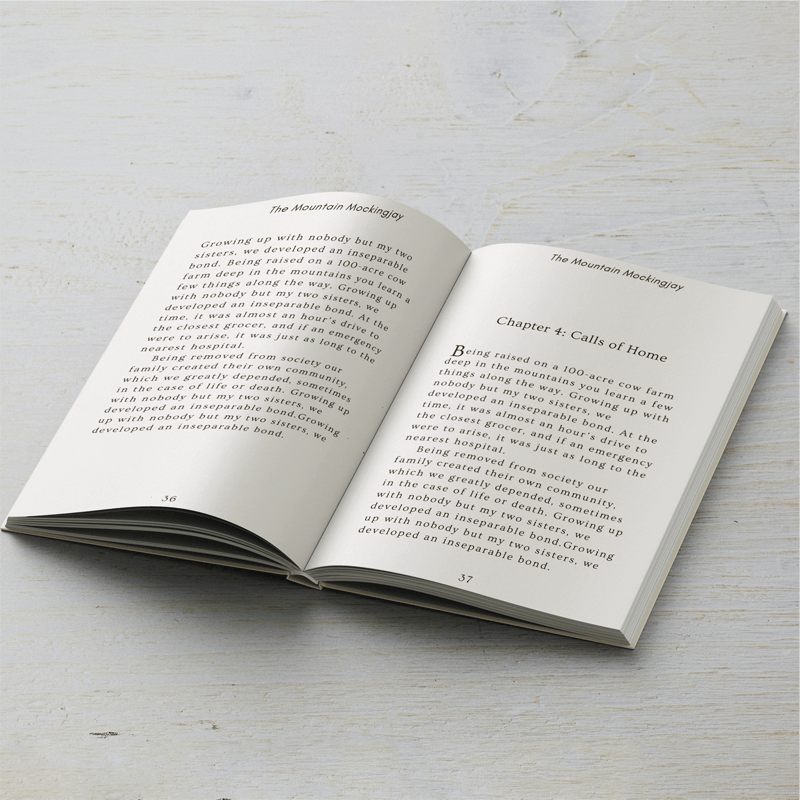
What Is a Paperback? Core Definition and Features
A paperback is a printed book with a soft, flexible cover. It uses paperboard for the cover and glue to bind the pages. It is lighter, cheaper, and easier to carry than a hardcover. That is the heart of what makes it so popular.
People often ask what is a book paperback when shopping or publishing. The term means a softcover format made for daily use. It fits bags and small shelves. It aims for access and comfort, not luxury.

Paperback vs. Hardcover vs. Other Formats
A hardcover has rigid boards and a jacket or printed case. A paperback has a soft cover without a jacket. That is the key difference you will feel at once. It also affects price, weight, and lifespan.
Ebooks have no paper at all. Audiobooks are sound files. Paperbacks sit between these for cost and feel. When someone asks what is a book paperback, you can say it is the budget-friendly, tactile choice.
A Short History of Paperback Publishing
Early paperbacks grew fast in the 20th century. They made books cheap for mass readers. Think of subways, dorm rooms, and corner stores. Paperbacks helped books travel far and wide.
Today, paperbacks still lead many print categories. Publishers release the hardcover first, then the paperback. This stagger lets a book reach both premium and price-aware readers. That is one reason people search what is a book paperback so often.
Types of Paperbacks: Mass Market and Trade
There are two main types. Mass market paperbacks are small, pocket size, and low cost. You often see them in airports and grocery stores. The paper is thinner, and the type size is tight.
Trade paperbacks are larger and higher quality. They use better paper and wider margins. They match many hardcover trim sizes without the rigid boards. When you ask what is a book paperback, most bookstores mean the trade type.
Materials and Construction: What to Expect
Most paperbacks use perfect binding. Pages are stacked, the spine is milled, and strong glue holds it. The cover is coated paperboard. The coating resists scuffs and moisture.
Paper weight can vary by budget and genre. Text paper ranges from thin, cream stock to bright white stock. Trim sizes range from pocket to large format. What is a book paperback often comes down to these simple build choices.
Pricing and Economics: Why Paperbacks Cost Less
Hardcovers cost more to make and ship. The boards weigh more. The unit price stays high for long runs. Paperbacks cut those costs at every step.
Retailers can discount paperbacks and still earn a margin. Publishers use them to reach price-sensitive buyers. Industry data shows paperbacks sell in high volume. This is why many shoppers ask what is a book paperback when they want value.
Durability, Care, and Longevity
Paperbacks are sturdy but not as rugged as hardcovers. The spine can crease with rough use. Corners can bend in a pack. Pages can yellow if left in sun or damp rooms.
You can make them last. Store them upright and out of heat. Use a bookmark, not a dog-ear. A slipcover or bag can guard edges. With care, your paperback can read well for years.
When to Choose a Paperback
Pick a paperback when you read on the go. It is light and easy to hold. It is kind to your budget. It is great for book clubs, class sets, and travel.
Pick a hardcover if you want top durability or a gift keepsake. Pick an ebook for search and notes. Pick audio for commutes. If you wonder what is a book paperback for, think daily reading with comfort and cost in mind.
Publishing Your Own Paperback: A Step-by-Step Guide
I have helped many authors bring a paperback to life. The steps are simple if you plan well. Use this flow as a checklist.
- Define your trim size. Common trade sizes are 5 x 8 or 6 x 9 inches.
- Choose paper color. Cream suits fiction. White suits nonfiction with charts.
- Set your margins and gutters. Allow extra space at the spine.
- Pick readable fonts. Aim for 10 to 12 point with clear leading.
- Format your file. Export a print-ready PDF for the interior.
- Design a full cover. Include front, spine, back, and correct barcode zone.
- Get an ISBN. You can use a free one from a platform, or buy your own.
- Order a proof copy. Check print, color, spine width, and margins.
- Approve and set price. Use industry norms and your genre range.
- Distribute. Upload to print-on-demand and set global rights.
This path works on major platforms. Start small, order proofs, and refine. If someone asks what is a book paperback in a publishing meeting, you can show this list and lead the way.
Environmental Impact and Sustainability
Paperbacks use paper, ink, and glue. That has a footprint. Many printers now offer recycled paper and plant-based inks. Some use certified paper to protect forests.
Choose print-on-demand to cut waste. It prints only what sells. Ship in bulk to cut fuel use. If you care about the planet and still ask what is a book paperback, know it can be a responsible choice with smart vendors.
Buying Tips: How to Spot a Quality Paperback
A good paperback opens flat enough to read, but not so flat it cracks. The spine glue feels secure, not brittle. The pages sit even and the trim is clean.
Check paper feel and opacity. Thicker stock stops show-through. Look for sharp print and steady margins. If you gift it, trade paperback is a safe bet for quality.
Personal Insights, Lessons, and Common Mistakes
From my own shelf, I have seen what works. Trade paperbacks with cream paper read easy on the eyes. A matte cover resists glare under warm lights. A good spine will flex and return.
Avoid cramming too much text per page. It tires the reader. Avoid a spine that is too tight. It will crack. If a client asks what is a book paperback, I hand them two copies: one with care, one without. The difference teaches fast.
Frequently Asked Questions of what is a book paperback
What is a book paperback in simple terms?
It is a softcover book with a flexible cover and glued spine. It costs less and is easy to carry.
Is a trade paperback better than a mass market paperback?
Trade paperbacks use better paper and larger trim sizes. They read better and last longer, but cost more.
How long does a paperback last?
With normal care, many years. Keep it dry, out of sun, and avoid bending the spine too hard.
Are paperbacks good for textbooks?
They can be, if the binding is strong and the paper is opaque. Many study guides and workbooks are paperback.
Can I self-publish a paperback without an agent?
Yes, with print-on-demand platforms. You handle file prep, cover design, pricing, and distribution.
Why do some paperbacks cost almost as much as hardcovers?
They may use premium paper, color pages, or short print runs. Niche genres and academic titles can price higher.
What is a book paperback size I should choose for my novel?
Common sizes are 5 x 8 or 6 x 9 inches. Pick the one that fits your genre and page count.
Conclusion
A paperback is the simple, trusted bridge between cost and comfort. It is light, flexible, and easy to love. Now you know what is a book paperback, how it differs from other formats, and how to buy, care, or publish one.
Put this guide to work today. Choose the right trim, paper, and price for your next read or release. If this helped, subscribe for more book craft tips or leave a comment with your questions.