

A healthier credit profile can make everyday finances easier to manage, from comparing loan offers to planning a major purchase. Yet credit reports and scoring rules can feel confusing, and online tips may leave you unsure which steps actually apply to your situation.
A credit repair book can give you a clear place to start. It explains how to read your reports, spot information that may be inaccurate, and dispute errors with the credit bureaus, while helping you understand habits that can support stronger credit over time.
Many books also offer sample letters, checklists, and straightforward explanations of credit utilization and payment history. These practical tools help you organize your records, follow a sensible plan, and recognize when a claim sounds unrealistic.
Books vary in tone, depth, and focus, so choose one that suits your experience and goals. Explore the best credit repair books below to find a useful guide for your financial next steps.
7 Best Credit Repair Books Reviews

1.Wiley Credit Repair Kit For Dummies
Step-by-step guidance helps you repair your credit and manage finances

2.Bookmark Publishing Credit Repair Guide
Learn how credit pros legally remove bad credit and restore your name

3.Credit Command Credit Repair DIY System
Learn to dispute credit report errors and boost your score faster

4.The Credit Repair Blueprint 2026 Playbook
Get updated guidance on disputes, medical debt, collections and AI

5.CREATESPACE How to Remove ALL Negative Items
Do it yourself to remove negative items and raise your credit rating

6.Majosta Credit Secrets 3 in 1 Guide
Includes 609 letter templates to help repair credit without agencies
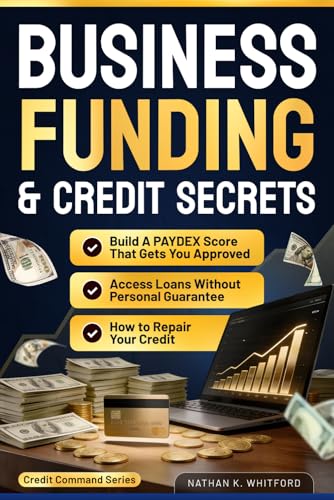
7.Business Funding & Credit Secrets Guide
Build a PAYDEX score and access loans without a personal guarantee
1. Wiley Credit Repair Kit For Dummies
Credit Repair Kit For Dummies helps readers learn about credit repair and the steps involved. For anyone comparing credit repair books, its title points to a practical guide focused on personal finance.
The book is part of the For Dummies Business & Personal Finance series. That makes its subject and intended reading area clear, though the supplied details don’t describe particular lessons, worksheets or credit repair strategies.
It weighs about 1.9 pounds, a useful figure to consider if you plan to carry it between home, work or a study space. Its listed size is about 9 inches tall, a standard book format for reading and keeping on a shelf.
The available product information does not give an edition, page count or specific contents. Buyers who want to compare its advice with another book may need more detail about the topics it covers before choosing.
This title suits readers looking for a book specifically named for credit repair, especially those browsing the For Dummies personal finance collection. Check the listing for content details if you need a guide to a particular credit issue.
- Focuses specifically on credit repair strategies
- Part of the approachable For Dummies book series
- Covers business and personal finance topics
- No major cons
2. Bookmark Publishing Credit Repair Guide
For readers trying to understand credit repair, *Repair Your Credit Like the Pros* focuses on how credit attorneys and certified consultants can legally address negative credit information. Its title also points to restoring a person’s good name as a central aim.
The book is aimed at people who want to learn about credit repair through the lens of professional help. It may suit readers who want to explore the legal side of removing bad credit entries, rather than rely on general personal-finance advice.
The product listing provides no chapter details or description of the specific steps the book covers. Buyers should treat the title as a guide to its subject, not as evidence of a particular method or guaranteed outcome.
At about 9 inches tall and 6 inches across, the book uses a familiar paperback-sized format. Its listed weight is about three-quarters of a pound, making it a relatively light item to carry or keep on a shelf.
Bookmark Publishing is the listed brand. This book may suit readers who want an introduction to credit repair involving attorneys and certified consultants, especially those seeking information about legal ways to challenge negative credit records.
- Covers legal credit repair by professionals
- Focuses on attorneys and certified consultants
- Lightweight at about three-quarters of a pound
- Listing gives no chapter or method details
3. Credit Command Credit Repair DIY System
609 and 611 are the dispute sections this DIY credit repair book highlights for readers who want to challenge credit report errors. It also focuses on working on your credit yourself rather than relying on a credit repair agency.
The title lays out several topics: identifying report errors, making disputes, improving your score and avoiding agency costs. Readers can use those areas to decide whether the book fits the credit questions they want to address.
Its physical format measures about 9 inches tall and 6 inches wide. At 0.63 inches thick, it has a slim profile that should be easy to store with other books or carry for reading.
The book’s stated focus makes it a resource for people who want to learn about credit disputes and DIY repair. It suits readers looking for a credit repair guide centered on errors, Sections 609 and 611, and avoiding agency fees.
- Covers 609 and 611 credit disputes
- Focuses on DIY credit repair steps
- Addresses credit report errors and score goals
- Discusses avoiding credit repair agency costs
- No details on the book's length or format
4. The Credit Repair Blueprint 2026 Playbook
Readers looking to repair their credit get a 2026-focused guide covering credit scores, disputes, medical debt, collections and AI. The title also highlights dispute letters, giving buyers a specific topic to compare when choosing a credit repair book.
The book’s listed topics span several common credit challenges. It addresses score repair alongside medical debt and collections, so readers can see whether those subjects match the issues they want to work on.
AI-assisted credit rebuilding is another topic named in the title. The available product information does not explain the approach or detail any exercises, so buyers may want to check the book’s contents before deciding whether its guidance fits their needs.
The title presents the book as an updated playbook for 2026. Its 6-by-9-inch format gives it a familiar paperback-style footprint, while the listed 0.43-inch thickness makes it relatively slim to carry or store.
For readers comparing credit repair books, the clearest buying signal is the range of subjects named on the cover. It may suit people seeking a guide to score repair, dispute letters, medical debt, collections and AI-related credit rebuilding.
- Covers scores, disputes, debt and collections
- Includes AI as a credit rebuilding topic
- Updated playbook is aimed at 2026 readers
- No details on methods or chapter content
5. CREATESPACE How to Remove ALL Negative Items
In a home office or study space, this slim credit repair guide offers a do-it-yourself book for readers examining negative items on their credit reports. Its title points to removing those entries and increasing a credit rating, making the subject clear before you open it.
The book is aimed at people who want to learn about credit repair on their own. It may suit readers who prefer a printed guide they can keep nearby while reviewing their credit information and considering their next steps.
Its title focuses on negative items, so the central topic is dealing with information that may appear on a credit report. The title also frames the goal as improving a credit rating, a concern for readers working to understand their credit standing.
The listing does not provide a chapter outline, sample letters, dispute instructions or details about the methods it explains. Buyers who want to know exactly what advice the book contains will need more information than the listing offers.
At about 0.2 pounds, the book is light to carry between home and work or to tuck into a bag. It measures 6 inches by 9 inches, with a very slim profile of about 0.1 inch.
CREATESPACE is the listed brand. This book may fit readers seeking a compact, self-guided introduction to credit repair, especially those focused on negative report items, but the available details do not show how much step-by-step guidance it provides.
- Focuses on removing negative credit report items
- Do-it-yourself format for independent learning
- Lightweight at about 0.2 pounds
- Listing gives no chapter or advice details
6. Majosta Credit Secrets 3 in 1 Guide
609 letter templates” is the clearest practical detail in Majosta’s Credit Secrets, a book aimed at readers who want to handle credit repair themselves. The title also promises advice on raising a FICO score, but it gives no supporting details about how the book approaches that process.
The 609 templates may give readers sample letters to consult as they work through credit-related correspondence. The title says the book comes in three parts and includes 10 additional secrets, though it does not explain what those sections or tips cover.
Its promise to boost a FICO score by 200 points in less than 30 days is an ambitious claim in the title, not a result the available product details verify. Readers should treat it as a promise rather than a guaranteed outcome.
The listed weight is about 0.8 pounds, making it a fairly light book to carry between home and a desk. It measures about 9 inches tall, but the data does not provide details on its format, page count or reading level.
This title may suit readers who want credit-repair guidance and letter examples in one book, especially those planning to manage the process themselves. Buyers looking for documented methods or a detailed description of the material may want more information before choosing it.
- Includes 609 letter templates for credit disputes
- Promises a 200-point FICO score boost in under 30 days
- Offers a DIY alternative to hiring credit repair agencies
- Adds 10 bonus secrets from credit experts
- No major cons
7. Business Funding & Credit Secrets Guide
The title presents a book about repairing credit, building a PAYDEX score and finding business funding. For readers of credit repair books, its focus reaches beyond personal credit repair to business credit and loan access.
The book specifically addresses how to build a PAYDEX score that supports approval efforts. That makes business credit part of the subject, alongside credit repair, for readers who want to learn about both.
It also covers access to loans without a personal guarantee. This gives the book a clear business-financing angle, though the supplied listing does not describe its methods or provide details about the advice inside.
The title names three subjects for buyers to weigh: credit repair, PAYDEX score building and business loans. Readers can use that scope to decide whether they want a book centered on business credit as well as repairing credit.
The listing identifies it as part of the Credit Command Series. It measures about 9 inches tall, with a slim profile around three-quarters of an inch wide and 6 inches deep, so it can fit on a bookshelf.
The supplied details do not include page count, author, publication date or a description of the book’s approach. This last pick may suit readers seeking an introduction to business credit and funding topics, especially those interested in PAYDEX scores and loans without personal guarantees.
- Covers personal credit repair and business credit
- Explains building a PAYDEX score for approvals
- Includes loans without a personal guarantee
- No details on the book's methods or content
How to Choose the Best Credit Repair Books
Choosing a credit repair book matters because advice can shape disputes, payment choices, and expectations about score changes. Your best fit depends on whether you need basic explanations, practical templates, current guidance, or help with business credit.
| If You Need | Look For | Expect |
|---|---|---|
| Credit basics | Plain-language explanations and examples | Slower, broader learning |
| DIY dispute help | Step-by-step dispute process and sample letters | More work on your own |
| Help with collections | Coverage of validation, errors, and timelines | Case-specific results |
| Current rules | Recent publication date and updated references | Less detail on older cases |
| Score rebuilding | Advice on balances, payments, and account history | Gradual progress over months |
| Business credit | Separate guidance on business bureaus and funding | Less focus on personal credit |
Accuracy and Legal Limits
A useful book explains that credit repair starts with accurate reports, not guaranteed deletion of negative information. Look for advice that distinguishes errors from correct entries, since accurate information generally cannot be removed just because it harms your score.
Disputes should follow established consumer-protection rules, with clear explanations of how to contact credit bureaus and data furnishers. Prefer books that point readers to official sources and explain how investigation periods and responses work.
Be cautious when a title promises a specific score increase or rapid results. Credit scores depend on your reports, scoring model, and lender; a book cannot promise a fixed gain or erase valid debts on demand.
Practical DIY Steps
For hands-on guidance, look for a sequence that begins with obtaining reports, identifying questionable entries, gathering evidence, and sending disputes. A clear process helps you avoid firing off letters before you understand what is wrong.
Useful instructions explain how to track dates, save copies, and record responses. A checklist or simple log can help you follow up consistently, especially when several accounts or bureaus are involved.
Templates save time, but they should be editable rather than presented as one-size-fits-all letters. The strongest guidance shows what information to include and why, so your dispute describes the actual error instead of making unsupported claims.
Coverage of Credit Topics
Consider whether you need help with a particular issue, such as collections, medical debt, late payments, identity theft, or mixed-file errors. A focused book may explain your immediate problem more clearly than a broad introduction.
Look for explanations that separate different kinds of negative entries and describe the relevant steps for each. For instance, a collection account and an incorrect personal detail may require different evidence and follow-up.
If your goal is rebuilding rather than disputing, choose coverage of payment history, balances, account age, and new applications. These topics help you make steady changes after correcting report errors, rather than focusing only on removal.
Currentness and Sources
Credit reporting rules, score models, and common practices change, so publication date deserves attention. A recently updated edition is more useful for current procedures, while older books may still explain enduring basics.
Check whether the book names reliable sources, such as government consumer agencies and the credit bureaus’ own instructions. References give you a way to confirm details and find current forms when procedures change.
Newer topics, including digital tools or artificial intelligence, need careful treatment. Look for plain cautions about protecting personal data and verifying generated letters; convenience is not worth sending inaccurate information or exposing sensitive records.
Score Claims and Expectations
A book should explain that score changes depend on the information in your file and the scoring model used. Advice about reducing balances or correcting errors is more credible than a guaranteed number of points.
Score rebuilding usually takes time, and some changes appear only after lenders report updated information. Look for guidance that sets realistic expectations and encourages steady payment habits, rather than promising results within days.
Also note whether the book distinguishes a credit score from a credit report. Reports contain account information, while scores summarize risk under a model; understanding the difference helps you choose actions that address the real issue.
Author Expertise and Approach
Look at the author’s stated background and how the book supports its advice. Experience with credit law or consumer finance can add useful context, but clear sourcing and accurate explanations remain essential.
A professional-sounding title does not replace careful guidance. Prefer authors who explain limits, avoid pressure tactics, and tell readers when a dispute is not appropriate or when qualified legal help may be needed.
Decide whether you want a beginner-friendly overview, a detailed procedural manual, or a narrow specialist guide. A simpler approach suits first-time readers, while experienced readers may prefer specific examples and deeper explanations.
Business Credit Relevance
Personal and business credit are related to borrowing but use different records, scoring systems, and reporting practices. If you are seeking business funding, confirm that the book covers business credit directly rather than assuming personal-credit advice will transfer.
Look for explanations of business credit profiles, payment reporting, and lender requirements. Advice about funding without a personal guarantee should describe eligibility and risks, since approval depends on the business and lender.
For readers focused only on personal reports, business-credit chapters may add little value. Choose a narrower guide if you need practical help with personal disputes and score rebuilding rather than company financing.
Format and Usability
Print size, weight, and layout affect whether a book is comfortable to use at a desk or carry while travelling. A larger, heavier volume may suit reference use, while a slim book is easier to keep nearby.
Check the contents page and sample pages when available. Clear headings, readable type, and a useful index make it faster to find a dispute step while you are handling paperwork.
Templates and worksheets are most useful when they are easy to locate and reproduce. If the book relies on downloadable materials, confirm that access details are included and that the files suit your device and workflow.
Price and Value
Lower-priced books often offer a concise overview or a narrow DIY focus, while higher prices may buy broader coverage, more examples, or reusable tools. Compare the contents with your specific need, not the page count alone.
Paying more makes sense when the guidance is current, well-sourced, and detailed enough to help you act confidently. If you need only basic explanations, a compact introduction may deliver better value than a comprehensive manual.
Treat claims of fast score gains or extensive bonuses cautiously when judging value. Templates are only useful when they support lawful, accurate disputes, and no book replaces professional advice for a complex legal or identity-theft problem.
Frequently Asked Questions
Do these credit repair books require a special power source or equipment?
No. These are books and guides, so you can use their advice without powering a device; the Credit Repair DIY System and other titles focus on steps you can take yourself.
What materials and formats are these books made from?
The product details don’t specify their physical materials or formats. Check the listing for each title for details such as paperback, hardcover, or digital edition.
What comes with the Majosta Credit Secrets 3 in 1 Guide?
Its listed feature is 609 letter templates to help you repair credit without agencies. The product details don’t specify any other included materials.
Should I choose the Wiley Credit Repair Kit For Dummies or the Credit Repair Blueprint 2026 Playbook?
Choose Wiley for step-by-step guidance on repairing credit and managing finances; choose the Blueprint for updated guidance on disputes, medical debt, collections, and AI.
Which book is best for disputing credit report errors?
The Credit Command Credit Repair DIY System focuses on disputing report errors and boosting your score. The Credit Repair Blueprint 2026 Playbook also covers disputes, alongside other current credit topics.
Which guide should I choose for removing negative items or collections?
CREATESPACE How to Remove ALL Negative Items is aimed at do-it-yourself removal of negative items, while the Bookmark Publishing Credit Repair Guide explains how credit professionals legally remove bad credit and restore your name.
Which book covers business credit and funding?
The Business Funding & Credit Secrets Guide focuses on building a PAYDEX score and accessing loans without a personal guarantee.
So, What Should You Buy?
For most people, Wiley Credit Repair Kit For Dummies is the best pick, with step-by-step help for repairing credit and managing finances. On a budget, consider CREATESPACE How to Remove ALL Negative Items for DIY guidance; for dispute letters, choose Majosta Credit Secrets 3 in 1 Guide, which includes 609 templates.
Choose The Credit Repair Blueprint 2026 Playbook for updated advice on disputes, medical debt, collections and AI, or Business Funding & Credit Secrets Guide for PAYDEX and business-loan guidance. Pick the book that matches your goals and start with a clear plan.