

Colson Whitehead’s novels can turn a reading break into a vivid journey through history, ambition, and resilience. Yet his range—from literary fiction to crime stories—can make it hard to know where to begin, while a quick online summary can’t deliver the voice and depth of a full book.
For a more rewarding starting point, a Colson Whitehead book lets you follow complex characters through sharply drawn worlds, with each novel offering its own entry into his work. A bookshop search may show titles, but thoughtful choices help you find a story that suits your interests.
Many of his books pair page-turning plots with rich settings and questions about race, identity, and American life. That mix gives you both an absorbing story and ideas that can stay with you after the final page.
His novels differ in tone, subject, and pace, so your preferred themes and reading mood can guide your choice. Explore the best colson whitehead books below to find a compelling read for your shelf.
8 Best Colson Whitehead Books Reviews

1.Anchor Books The Nickel Boys: A Novel
Pulitzer Prize-winning novel follows two boys at a brutal school
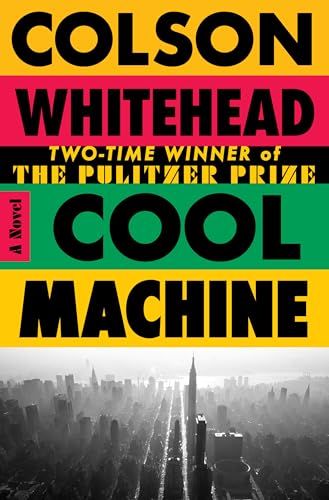
2.Doubleday Cool Machine: The Harlem Trilogy
The third Harlem Trilogy novel follows Ray Carney through 1970s Harlem

3.Anchor Books The Underground Railroad Novel
Softcover edition of Colson Whitehead's Pulitzer Prize-winning novel

4.The Harlem Trilogy 3-Book Collection Set
Collects Harlem Shuffle, Crook Manifesto and Cool Machine in one set

5.Vintage Books Harlem Shuffle: A Novel
The first novel in The Harlem Trilogy follows a furniture salesman

6.Vintage Books Crook Manifesto: A Novel
The second Harlem Trilogy novel follows Ray Carney in 1970s Harlem

7.Anchor Books The Intuitionist: A Novel
Colson Whitehead's debut follows an elevator inspector in New York

8.Anchor Books Sag Harbor Coming-of-Age Novel
A coming-of-age novel about a teenager's summers in the Hamptons
1. Anchor Books The Nickel Boys: A Novel
The Nickel Boys is a novel about two boys whose lives intersect at a brutal reform school. Colson Whitehead’s book won the 2020 Pulitzer Prize for Fiction, a major distinction for readers choosing among his novels.
Its title points to Nickel Academy, where the story follows Elwood Curtis and Turner. The book centers on their experiences there, giving the novel a focus on friendship, survival and the effects of institutional cruelty.
Whitehead sets the story in Florida during the Jim Crow era. That historical setting shapes the boys’ lives and the choices they face, while the novel’s close attention to their different outlooks gives the narrative its central tension.
Readers looking for a short, light read may want to consider its serious subject matter. The novel deals with racism and abuse, so its themes can make it a challenging choice for casual reading, but they also give the story weight.
At about 2.3 pounds, this white paperback edition is portable enough to carry in a bag, though it may feel substantial during a long reading session. Its compact, roughly eight-inch-tall format suits a bookshelf or bedside table.
This edition is a strong choice for readers exploring Whitehead’s award-winning fiction and historical novels. It suits book-club readers and anyone prepared for a sobering story about two boys confronting an unjust system.
- Won the 2020 Pulitzer Prize for Fiction
- Follows two boys through a serious historical story
- Compact paperback format is easy to carry
- Heavy subject matter may not suit casual reading
2. Doubleday Cool Machine: The Harlem Trilogy
For readers exploring Colson Whitehead’s Harlem Trilogy, Cool Machine offers the chance to add a novel from the series to their shelf. The listing identifies it as a novel, but provides no plot details to help readers judge its story or themes.
The book’s title places it within The Harlem Trilogy, giving Whitehead readers a clear series connection to consider. The listing does not name other books in the trilogy or explain where this one falls in the sequence, so readers may want to check the reading order separately.
At about 1.5 pounds, the book has a weight that readers can compare with other editions before buying. Its multicolor designation is the only color information provided, and the listing does not specify the cover design.
The book measures about 6.5 inches deep and 9.5 inches high, with a thickness of about 1.3 inches. Those details can help readers gauge its shelf presence, though the listing does not identify the binding or page count.
No description gives information about the plot, edition, publication date, or format. That leaves the title and trilogy link as the main buying details, so this listing suits readers already seeking this specific Colson Whitehead novel and willing to confirm edition details before ordering.
- Part of The Harlem Trilogy by Whitehead
- Identified as a novel in the series
- About 1.5 pounds for shelf or bag
- Listing provides no plot description
3. Anchor Books The Underground Railroad Novel
2.31 pounds is the listed weight of this softcover edition of The Underground Railroad, Colson Whitehead’s Pulitzer Prize-winning novel. Its compact book format suits readers choosing a physical copy for home reading or carrying along.
The title identifies the novel as a Pulitzer Prize winner, a useful point for readers comparing Whitehead’s books. The listing provides no plot details, so buyers can use the title and award recognition to identify the book without relying on a description that is not supplied.
Anchor Books publishes this edition in softcover. That format gives readers a bound copy to keep on a shelf, read at home or take along, while the red color distinguishes the edition when stored with other books.
The listed weight is about 2.3 pounds, so it is worth considering if you want to carry the book regularly. The listing does not provide details about the story, page count or publication date, which means it offers little information for readers choosing based on those points.
For a Colson Whitehead collection, this edition brings the Pulitzer Prize-winning novel in a compact physical format. It suits readers who want the softcover version of The Underground Railroad and are comfortable choosing from the title and award information.
- Pulitzer Prize-winning novel by Colson Whitehead
- Softcover format for reading and shelf storage
- Compact book format for carrying along
- No major cons
4. The Harlem Trilogy 3-Book Collection Set
Readers looking for several Colson Whitehead novels in one purchase get three books here: Harlem Shuffle, Crook Manifesto and Cool Machine. Together, the titles make this set a practical choice for anyone who wants to read the Harlem trilogy in one collection.
The collection brings all three books together, so you can move from Harlem Shuffle to Crook Manifesto and then Cool Machine without buying each title separately. It also gives readers a single set to keep on hand when they want to read the trilogy in sequence.
For readers exploring Whitehead’s books, the three-title grouping offers a focused way to spend time with this series. The product information identifies each novel by name, which makes it easier to see exactly which books are included before buying.
The set measures about 9 inches tall, 6.3 inches deep and 3.5 inches wide. Those measurements describe the collection as a whole, giving buyers a sense of how much shelf space to allow.
The listing does not provide details about formats, binding or edition, so buyers who need a particular version may want to confirm those details before ordering. It names the author and all three books, though, giving fans a straightforward collection centered on Whitehead’s Harlem trilogy.
This set suits readers who want Harlem Shuffle, Crook Manifesto and Cool Machine together, as well as Colson Whitehead fans building a shelf around his novels.
- Includes three named Colson Whitehead novels
- Collects the Harlem trilogy in one purchase
- About 9 inches tall for shelf planning
- No major cons
5. Vintage Books Harlem Shuffle: A Novel
Harlem Shuffle fits readers looking for a Colson Whitehead novel set in Harlem, as signaled by its title and its place in The Harlem Trilogy. The listing identifies it as a novel, making it the fiction pick in a roundup of his books.
The book’s title connects it to a broader Harlem story: it is labeled the first novel in The Harlem Trilogy. That makes it a useful choice for readers who want to begin with this series entry before exploring the rest of the trilogy.
The listing gives little detail about the plot, so buyers should not expect a synopsis or subject guide here. Its clear identifiers are Whitehead’s name, the novel format, and its connection to the Harlem Trilogy.
This edition has a black cover and weighs about 2.3 pounds. Its listed size is about 8.6 inches deep and 8 inches tall, with a thickness of about 0.7 inch.
For readers choosing among Colson Whitehead books, this one suits anyone drawn to a Harlem-set novel and the start of a trilogy. The product details provide the title and format, but not further information about the story or edition.
- Harlem Trilogy opener offers room for a series
- Novel format suits readers who enjoy fiction
- Compact 8.6-inch size is easy to shelve
- No major cons
6. Vintage Books Crook Manifesto: A Novel
Crook Manifesto is the second novel in Colson Whitehead’s Harlem Trilogy. This Kindle eBook gives readers the next installment in the series, so it fits those who want to follow the trilogy in order.
As a novel, it offers a chance to spend more time with Whitehead’s Harlem Trilogy. Readers who enjoyed the first book can continue with the story through this second volume, while those exploring his work can use it as a route into the series.
The title identifies it as a work of fiction rather than a nonfiction book. Its place in the trilogy also makes the reading order clear: it follows the first book and comes before the third.
The Kindle format lets readers access the book as an eBook on a Kindle-compatible device or app. That format can suit readers who prefer digital books and want to keep a novel with their other eBooks.
Vintage Books is the listed brand. The product information does not give a page count, plot description, or details about the edition, so readers looking for those specifics may want to check the book listing before buying.
This is a natural choice for Colson Whitehead readers who want the Harlem Trilogy’s second installment in digital form. It suits readers already following the series, as well as those who want to explore Whitehead’s novels one book at a time.
- Second installment continues the Harlem Trilogy
- Kindle eBook format suits digital readers
- Colson Whitehead title for readers exploring his novels
- No major cons
7. Anchor Books The Intuitionist: A Novel
Anchor Books presents The Intuitionist, a Colson Whitehead novel in a compact format for readers choosing a book to read at home or carry along.
The title identifies it as a novel, making it a fiction choice for readers exploring Whitehead’s books. Its 5.16-inch depth, 0.59-inch width and 8-inch height give the book a straightforward handheld shape.
At about 2.3 pounds, it has a noticeable weight for its size, so it may feel substantial in a bag or while held for a longer reading session. The listed measurements can help readers decide whether it fits their shelves or preferred reading setup.
The specifications list a multicolor color description, though they do not explain which parts of the book use those colors. They also do not provide details about the story, edition, binding, page count or print format, so buyers seeking those specifics may want to check the listing before ordering.
As a Colson Whitehead title, The Intuitionist suits readers building a collection of his novels or choosing their next work of fiction. Its compact listed dimensions make it a practical option for readers who want a book-sized format, while the available information offers few details beyond its title and physical specifications.
- Compact 8-inch height fits standard bookshelves
- Novel format suits fiction readers
- About 2.3 pounds may feel heavy to carry
8. Anchor Books Sag Harbor Coming-of-Age Novel
With its illustrated format and compact paperback size, Sag Harbor offers a visual edition of Colson Whitehead’s book for readers who want a physical copy that’s easy to hold and carry. The book weighs about 2.3 pounds, so it feels substantial rather than lightweight.
The listed format is illustrated, making artwork part of this edition’s presentation. That gives readers something beyond plain text to browse, while the book remains suited to reading from cover to cover or revisiting particular passages.
Its multicolor design gives the edition a varied look on a shelf or bedside table. The listed information does not specify what the illustrations depict, so buyers should not expect a particular kind of artwork based on the format label alone.
At about 8 inches tall, Sag Harbor has a compact book format that can fit on a bookshelf, in a tote or beside a reading chair. Its slim profile also takes up less shelf depth than many larger-format books.
This edition makes the most sense for readers who want Colson Whitehead’s title in an illustrated physical format, or who are choosing a copy to give. The product details provide little about the artwork or other edition-specific content, so readers seeking particular illustrations may want to check those details before buying.
As our final pick, it suits readers who value an illustrated copy of Sag Harbor and are comfortable choosing without more detail about its artwork.
- Illustrated format adds visual interest to reading
- Compact book size fits shelves and bags
- Multicolor appearance stands out on display
- No major cons
How to Choose the Best Colson Whitehead Books
Choosing the right Colson Whitehead book depends on the kind of story you want, whether you prefer a standalone novel or a series, and how you plan to read. Edition, format, price, and reading order also shape the choice.
| If You Need | Look For | Expect |
|---|---|---|
| A standalone story | Self-contained novel description | No series reading order |
| A linked crime story | Harlem Trilogy book number | More context across books |
| Historical themes | Setting and subject description | Heavy subjects and tension |
| A lighter format to carry | Paperback or ebook | Different reading experience |
| The complete trilogy | Three-book collection listing | Higher upfront cost |
| A shelf-friendly edition | Dimensions and binding details | Larger editions weigh more |
Story and Subject
Start with the kind of story you want, because Whitehead’s novels vary in setting, tone, and subject. Read the description before buying, especially if you prefer literary fiction, crime, historical settings, or a particular mood.
Some books deal with racism, violence, injustice, or other difficult themes, while others focus on family, community, or crime. If those subjects affect your reading choices, look for a detailed description or content notes from the seller.
A standalone novel suits readers who want a complete story without committing to a sequence. A book connected to a series offers a continuing world, but its characters and events may feel richer after earlier installments.
Series Reading Order
For a series, confirm each book’s number and the recommended reading order before choosing. Starting at the beginning helps you follow recurring characters and changes over time, while later books may assume familiarity with earlier events.
A collection is convenient when you want all installments together, but confirm that it contains the complete series and the intended titles. Product listings can use similar names, so match each book’s title and sequence.
If you already own one installment, compare the collection contents with your shelf before paying for duplicates. Buying only the next book keeps the cost lower, while a full set saves separate ordering and offers a consistent group.
Standalone or Series
Decide whether you want one self-contained novel or several connected books. A standalone choice is simpler for a first purchase, while a series suits readers who want to spend more time with a shared setting and cast.
The title alone may not make the relationship clear, so read the listing’s series information. When a book is labeled as a later installment, consider whether you are comfortable entering a story partway through.
Readers who are unsure about a series can begin with a standalone book, then choose a sequence later. That approach limits the initial commitment, though it does not introduce the linked characters or setting.
Edition and Format
Look at the format before ordering: print editions and ebooks differ in portability, display, and how they fit into a collection. An ebook avoids carrying physical weight, while print offers a tactile reading experience and shelf presence.
Paperback and hardcover editions can differ in durability, price, and size. If you read during commutes, a lighter paperback may be easier to carry; if you keep books for years, a sturdier binding may suit frequent rereading.
Illustrated editions may include visual material that changes the reading experience, but listings do not always explain how much is illustrated. Read the edition description and contents information if illustrations are a deciding factor.
Edition Accuracy
Book listings sometimes combine details from different editions, so verify the format and publication information attached to the exact item you are ordering. This is especially useful when a page includes separate print, digital, or collection options.
Compare the title, author, series position, and format shown in the selection menu, not only the general listing heading. A mismatch can lead to an unexpected version, such as an ebook when you intended to buy print.
When edition details are incomplete, use the seller’s item description or ISBN information to confirm the version. This extra step helps if you need a specific cover, binding, or text layout.
Reading Comfort
Print size and page layout affect comfort during longer reading sessions, but online listings may not state font size. If you prefer larger text, look for a large-print edition or an ebook with adjustable type.
For ebooks, confirm compatibility with your reading device or app before purchase. Digital files are easy to carry and store, but they require a suitable screen and may not provide the same page feel as print.
Readers who often pause and resume should consider how easily their chosen format supports their habits. A physical bookmark works in print, while most reading apps save your place automatically.
Physical Size and Weight
Book dimensions and weight help you judge whether a print edition will fit your bag, shelf, or bedside table. Larger, heavier books can be comfortable at home but less convenient for carrying every day.
Measurements can differ across editions, and some online listings may contain errors. Treat dimensions as a guide, then confirm the specific edition and binding if shelf height or portability is important.
A thinner paperback is easier to pack, while a larger edition may be easier to read or display. Choose based on where you expect to read, rather than relying on cover color or a single measurement.
Price and Value
Compare prices for the exact format and edition, since a paperback, hardcover, ebook, and collection can have very different costs. Lower prices often reflect a digital or simpler print format, while a set costs more upfront.
Paying more makes sense when you want several connected books, a specific edition, or a durable binding. If you only want to try one novel, buying a single lower-cost edition limits the commitment.
Also account for delivery charges and the price of any books you still need to complete a series. A bundle may reduce the cost per book, but only if its contents match your reading plans.
Availability and Returns
Before ordering, review delivery timing, seller condition notes, and return terms, particularly for used or discounted print copies. Clear condition descriptions help you avoid surprises such as markings, damaged covers, or worn pages.
For a time-sensitive purchase, confirm the item is in stock and note the estimated arrival date. Digital editions may be available sooner, while print availability can vary by edition and seller.
If the format or edition is uncertain, choose a seller with clear return instructions. A return option offers a practical fallback if the delivered item differs from the listing.
Frequently Asked Questions
Which Colson Whitehead book should I start with?
For a gripping historical novel, try *The Nickel Boys* or *The Underground Railroad*. If you prefer a contemporary crime story, start with *Harlem Shuffle*, the first book in the Harlem Trilogy.
Should I choose *Cool Machine* or *Crook Manifesto*?
Choose *Crook Manifesto* to follow Ray Carney in the second Harlem Trilogy novel, or *Cool Machine* to continue his story in the third. Reading the trilogy in order gives the clearest sense of its progression.
What comes in The Harlem Trilogy 3-Book Collection Set?
The set collects *Harlem Shuffle*, *Crook Manifesto*, and *Cool Machine* in one collection.
Are these books connected, or can I read them in any order?
*Harlem Shuffle*, *Crook Manifesto*, and *Cool Machine* are connected as the Harlem Trilogy and are best read in order. The other books listed are separate novels and can be read on their own.
Which book is best if I want to explore Whitehead’s earlier work?
*The Intuitionist* is Whitehead’s debut, following an elevator inspector in New York. *Sag Harbor* is another option if you’re looking for a coming-of-age story about a teenager’s summers in the Hamptons.
Do the editions include anything beyond the novels?
The listed products are novels or a three-book collection; no additional contents are specified. The *Underground Railroad* listing identifies its edition as softcover.
So, What Should You Buy?
For most readers, choose *The Nickel Boys*: its Pulitzer Prize-winning story of two boys at a brutal school makes it a compelling standalone pick. Want another prize-winning novel? *The Underground Railroad* is a strong alternative, while *The Harlem Trilogy 3-Book Collection Set* suits readers ready to follow Ray Carney across all three novels.
For a single Harlem Trilogy entry, start with *Harlem Shuffle*; choose *Cool Machine* or *Crook Manifesto* if you’re continuing Ray Carney’s story. Prefer a debut about an elevator inspector? Pick *The Intuitionist*, or choose *Sag Harbor* for a coming-of-age tale. Choose the book that fits your reading mood.