

Most scholars attribute 1 Peter to the apostle Peter, aided by Silvanus.
If you have ever asked who wrote the book of 1 Peter, you are not alone. I have studied this letter for years and taught it in small groups. Here, I lay out clear, trusted answers. We will look at internal clues, early church voices, language, and history. By the end, you will know the strongest case for who wrote the book of 1 Peter and why it matters for your faith and study.
Historical Background
The letter called 1 Peter was sent to Christians in Pontus, Galatia, Cappadocia, Asia, and Bithynia. These regions are in modern-day Turkey. The tone fits life under pressure, likely during or near Nero’s reign in the 60s CE. The writer speaks from “Babylon,” a common early Christian code for Rome.
This background helps us test claims about who wrote the book of 1 Peter. It shows a leader who knows hardship and hopes in grace. It also shows someone with wide links across the Roman world. That profile fits what we know of the apostle Peter in other sources.
Internal Evidence for Authorship
The writer names himself as “Peter, an apostle of Jesus Christ.” He also calls himself a “witness of Christ’s sufferings.” That sounds like the voice of a close disciple who saw Jesus face to face.
There are echoes of Jesus’ teaching throughout the letter. The call to bless when cursed, to endure loss, and to be humble fit well with Peter’s story.
The letter blends high hope with a pastoral heart. This tone lines up with who wrote the book of 1 Peter if Peter the apostle stands behind it.

External Evidence from the Early Church
Early Christian leaders knew and used 1 Peter. By the late first and early second century, it was quoted or alluded to in church writings. It was widely accepted as from Peter.
By the time of later church historians, the letter was part of the core list of New Testament books. The tradition that Peter wrote it is early, strong, and wide. This supports the claim about who wrote the book of 1 Peter.
Language, Style, and the Role of Silvanus
1 Peter has smooth Greek. Some say this is too polished for a Galilean fisherman. But 1 Peter 5:12 states the letter came “through Silvanus.” He could be the courier, the secretary, or both.
In the ancient world, a trusted aide often shaped the final style. Peter may have given the message and approved the work. I have seen how secretaries affect tone and word choice in ancient letters. This fact helps explain who wrote the book of 1 Peter and how it reads so well in Greek.
Date, Audience, and Setting
Many scholars place the letter in the early to mid-60s CE. The readers were mixed groups of believers in Asia Minor. They faced social pushback and some state pressure. The writer speaks from “Babylon,” likely Rome, which fits Peter’s known work late in his life.
This timing makes sense of the themes of hope under fire. It also explains the focus on good conduct in public life. These fit the life setting behind who wrote the book of 1 Peter.
Theological Themes That Fit Peter
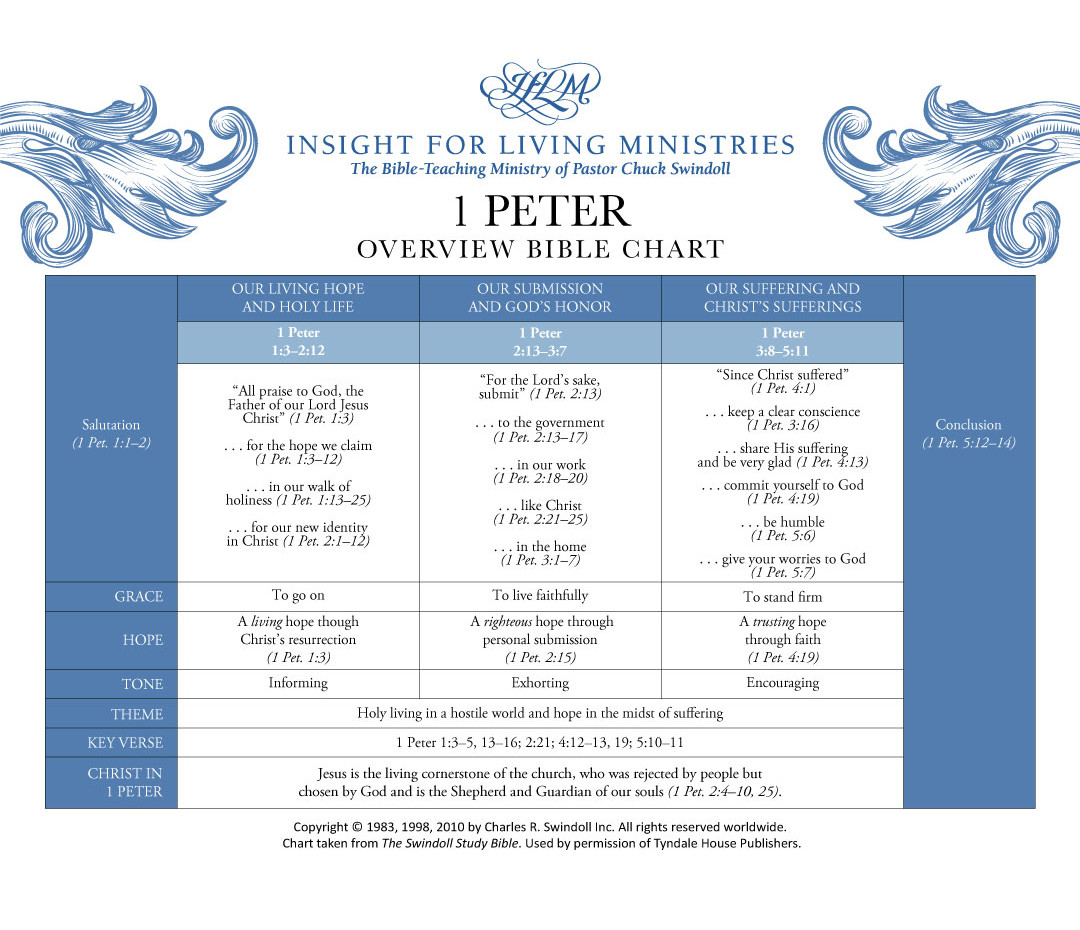
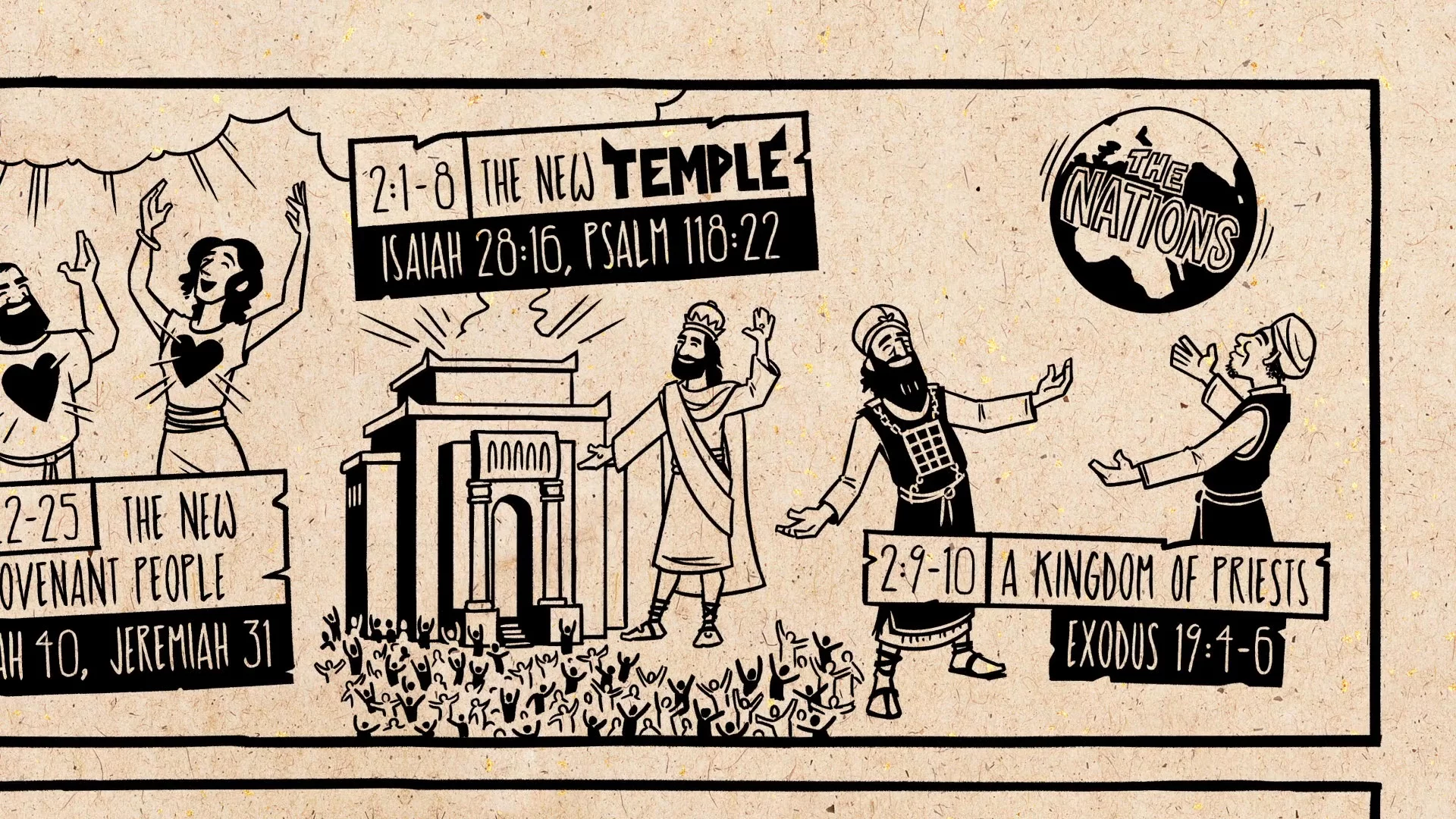
Key themes include hope in suffering, holy living, and humble leadership. The letter draws on the Old Testament to show the church as God’s chosen people. It uses stone imagery and speaks of a “living stone,” which recalls Peter’s own name and calling.
The tone is pastoral and brave. It does not promise an easy life but calls us to steady trust. This voice aligns with a mature Peter who knows both failure and grace. It adds weight to the case for who wrote the book of 1 Peter.
Counterarguments and Scholarly Debates
Some scholars say the Greek is too fine for Peter. Some think the church life in the letter looks too advanced. Others point to links with Paul’s ideas and say the writer borrowed later.
There are answers. A skilled aide like Silvanus can explain the style. Church life in the 60s could include elders and set patterns. Shared ideas with Paul reflect a common faith, not late copying.
The early and broad support for the letter also speaks against a late fake. All this builds a careful answer to who wrote the book of 1 Peter.
Why Authorship Matters for Readers Today?
Authorship affects trust. If Peter stands behind this letter, it carries the weight of an eyewitness. It also ties its message to a known leader who suffered and stayed faithful.
That matters when you face loss, doubt, or fear. When I led a study on 1 Peter, people asked who wrote the book of 1 Peter because it shaped how they read it. Knowing the likely author made its counsel more real and strong.
How to Read 1 Peter with This Context?
Try these simple steps as you read.
- Map the regions named in 1 Peter 1:1 to picture the real world of the readers.
- Mark every time the letter speaks of suffering, hope, and holiness.
- Note places that echo Jesus’ words and actions.
- Read Acts 2–5 and 10 to hear Peter’s voice in other texts.
- Keep in mind Silvanus as a helper who shaped style but not meaning.
These steps help you feel the human voice behind the page. They also support a fair view of who wrote the book of 1 Peter without forcing the data. In my own reading, this method kept me honest and open to the text.
Frequently Asked Questions of who wrote the book of 1 peter
Did the apostle Peter write 1 Peter?
Most early sources say yes. The letter names Peter, and the internal and external evidence support that claim.
Who is Silvanus in 1 Peter 5:12?
Silvanus was likely a trusted aide or courier. He may have helped draft the Greek, which helps explain who wrote the book of 1 Peter.
When was 1 Peter written?
Most place it in the early to mid-60s CE. That date fits the setting and the tone of hardship and hope.
Where was the writer when 1 Peter was written?
The letter says it came from “Babylon,” which most take as Rome. That aligns with other reports about Peter’s final years.
Why does 1 Peter use “Babylon” for Rome?
“Babylon” was a safe code used by early Christians. It points to Rome without saying Rome, and it fits the style of who wrote the book of 1 Peter.
Why is the Greek of 1 Peter so good?
An aide like Silvanus could polish the Greek. That was normal in the ancient world and fits who wrote the book of 1 Peter.
Is 1 Peter dependent on Paul’s letters?
There are shared themes, but nothing proves copying. Both draw on Jesus and the Old Testament, which suits who wrote the book of 1 Peter.
Conclusion
The best reading of the data points to the apostle Peter as the author, with Silvanus likely helping. Internal claims, early church support, and a good fit with Peter’s life all align. The debates are real, but the classic view still stands strong.
Let this context deepen your reading. Open the letter and look for hope that holds in hard days. If this guide helped, subscribe for more studies, or share your question about who wrote the book of 1 Peter in the comments.