

A fable that exposes how revolutions can breed tyranny through power, propaganda, and fear.
If you want a clear, honest guide to what is animal farm book about, you’re in the right place. I’ve taught and analyzed this book in classrooms and reading groups for years.
Here, I explain the story, the history behind it, and why it still matters. You’ll get a practical, expert view that makes what is animal farm book about easy to understand and discuss.
Plot Overview and Core Premise
George Orwell’s Animal Farm is a short novel about animals who seize their farm from a neglectful owner. They promise equality and a fair share for all. At first, the farm seems free and hopeful. Soon, the pigs take control, twist the rules, and crush dissent.
Napoleon, a pig, rises by force. Snowball, his rival, is chased away by dogs. Squealer floods the farm with lies. The Seven Commandments are edited in secret.
The windmill, a symbol of progress, becomes a tool to exhaust the animals. Boxer, the loyal horse, works himself to collapse and is sold. In the end, pigs and humans dine together. The other animals look in and cannot tell them apart.
If you wonder what is animal farm book about, it is about the cycle of power. It shows how a dream of justice can decay into a new kind of rule. It warns how language can hide the truth.

Historical Context and Allegory Explained
To grasp what is animal farm book about, it helps to know its roots. The book mirrors the Russian Revolution of 1917 and the rise of Joseph Stalin.
Old Major’s vision resembles early revolutionary ideals. Napoleon echoes Stalin’s brutal politics. Snowball recalls Leon Trotsky. The windmill suggests grand plans that cost lives.
The tale tracks real patterns found in documents and eyewitness accounts from that era. The purges, show trials, propaganda, and forced labor have clear echoes in the book.
Yet the story is not only about one country. It is a broader warning. Orwell aimed to show how any revolution can turn if power goes unchecked.
The publication year, 1945, matters. The world had just seen total war and mass deception. The book speaks to that shock. It still reads as a map of how truth is bent for control.

Major Characters and What They Represent
One way to see what is animal farm book about is to read the characters as signs.
- Old Major: The spark of ideas and hope for change.
- Napoleon: The dictator who uses fear and force.
- Snowball: The visionary leader who is pushed out.
- Squealer: The voice of propaganda and spin.
- Boxer: The honest worker who believes too much.
- Clover: The caring witness who notices the lies.
- Benjamin: The cynic who sees but stays quiet.
- Moses: The preacher of a better life elsewhere.
- Mr. Jones: The failed old ruler.
- Mr. Frederick and Mr. Pilkington: Neighboring powers and realpolitik.
In my classes, mapping each character to a role helps students see the larger picture fast. It turns an animal tale into a human mirror. It also shows why power, once won, is hard to share.

Key Themes and Symbols
At its core, what is animal farm book about? It is about power, language, and memory.
- Power corrupts fast. The pigs change from servants to masters.
- Words shape reality. Laws and slogans shift meaning over time.
- Work without rights breaks people. Boxer’s fate is the book’s heartbreak.
- Fear silences truth. The dogs and the threat of enemies keep order.
- Ideals fade when no one can check leaders.
Symbols sharpen these themes.
- The Seven Commandments: Law as a living tool, not a fixed truth.
- The windmill: The promise of progress that masks control.
- Milk and apples: Privilege dressed up as need.
- The hoof-and-horn flag: A bright emblem that hides dark acts.
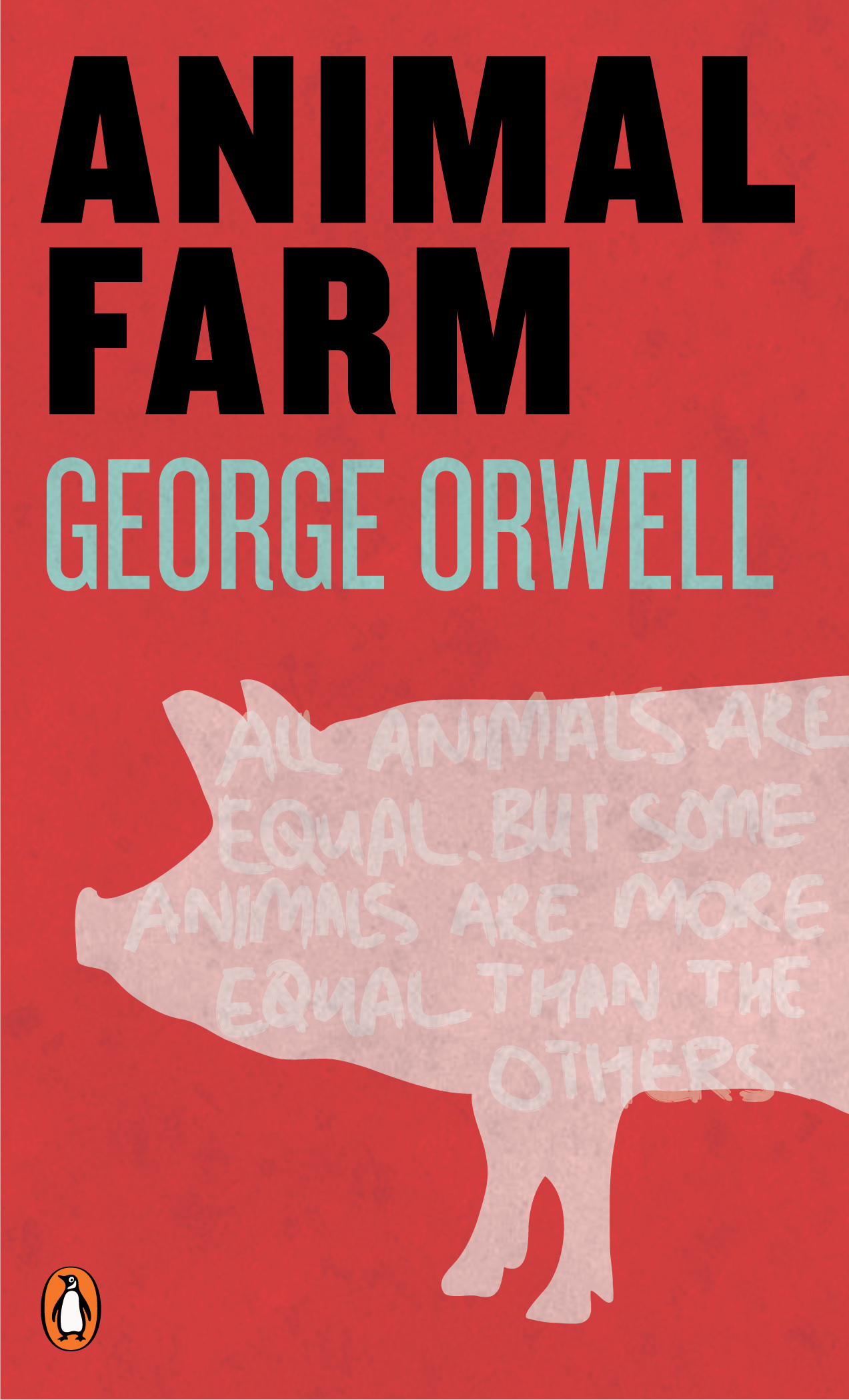
A single line seals the message: “All animals are equal, but some animals are more equal than others.” It shows how a lie can wear the clothes of logic.

Style, Structure, and Tone
Another clue to what is animal farm book about lies in its style. It is a fable. The prose is simple. The plot moves fast. The tone is cool, sharp, and ironic. This makes the story easy to read and hard to forget.
The structure is clear. Hopes rise, rules bend, power hardens, and freedom dies. The last scene circles back to the start but with a twist. The faces at the table are different, yet the system looks the same. That is the point.
The book is short, which helps. In study groups, we read it in a week. The spare style leaves room to think and debate.
Why It Still Matters Today?
If you ask what is animal farm book about in today’s world, think about how we get news. Think about how leaders frame facts. Think about how hard workers carry the cost when things go wrong.
- Propaganda now moves at digital speed.
- Numbers and charts can sell a false story.
- Echo chambers blur lines between truth and rumor.
- Loyalty can be used to demand silence.
I have seen students connect the book to modern events without any push. They point to word games in politics and business. They link the windmill to flashy plans that drain teams. This is why the book endures. It gives us a simple model to spot control tactics.
How to Read and Teach It (Tips and Discussion Questions)
When students ask what is animal farm book about, I give them tools to see for themselves.
Practical tips:
- Track changes to the Seven Commandments across chapters.
- Note each use of fear, especially mentions of enemies.
- Mark every time Squealer “explains” a double standard.
- Follow Boxer’s arc and list his key lines.
Discussion questions:
- When do ideals first start to slip, and why?
- How does the book show the cost of not speaking up?
- Where does blame end and fear begin?
- Who has the duty to remember the truth on the farm?
Try a final exercise. Rewrite a Commandment as it might appear on a poster today. Keep it short and catchy. Then unpack what it hides.
Common Misunderstandings and Myths
People often misstate what is animal farm book about. Clearing these myths makes the story stronger.
- It is not anti-revolution in all forms. It is anti-tyranny.
- It is not a children’s book. It uses simple words to make a hard point.
- It is not only about one country. It is a pattern that can repeat anywhere.
- It does not praise greed. It warns that unchecked power, of any kind, corrupts.
- It is not hopeless. It shows how memory and scrutiny can resist lies.
When I lead a book club, I ask readers to list where they saw these myths. Most end up spotting them in early assumptions, not in the text.
Frequently Asked Questions of what is animal farm book about
What is Animal Farm about in one sentence?
It is a fable about a revolution that becomes a new tyranny. It shows how power and propaganda twist ideals.
Who does Napoleon represent?
Napoleon represents a ruthless ruler who uses fear and lies to control. He stands in for leaders who crush rivals and rewrite truth.
Is the book only about the Soviet Union?
It mirrors that history, but the lessons are wider. Any group can slide into abuse if no one checks power.
Why is the windmill important?
It promises progress while draining the workers. It also distracts from the pigs’ growing control.
Why does Boxer matter so much?
Boxer shows the strength and pain of the working class. His fate warns us what happens when loyalty replaces critical thought.
Why did Orwell choose animals?
Animals make the message simple and clear. The choice also softens harsh truths without hiding them.
What age is best to read Animal Farm?
Teens and adults can both read it with care. Guidance helps younger readers grasp the history and irony.
Conclusion
Animal Farm stays urgent because it answers a timeless question: how do good ideals fail? If you came here asking what is animal farm book about, you now have the plot, the history, and the tools to think deeper. Use them to check claims, test slogans, and protect truth in your own circles.
Take the next step. Revisit the Seven Commandments and track how words can bend. Share this guide, join a discussion, or leave a comment with your thoughts and questions.