

Reading opens doors to school success, imaginative stories, and independent learning for children. Standard picture books and simple bedtime stories offer wonderful illustrations and gentle plots, but early readers need targeted phonics practice that typical storybooks simply lack.
These challenges have a simple fix: a learning to read book. Structured phonics progression helps your child master letter sounds step by step, turning difficult reading practice into an achievable daily habit.
Many editions include colorful illustrations that hold attention, sight words for quick recognition, and progressive levels that match growing reading skills. Sound-out words help children decode unfamiliar terms independently.
Book sets differ in reading level, vocabulary size, and phonics focus, so the right choice depends on your child’s current reading stage. Explore the best learning to read books below to support your child’s reading journey.
8 Best Learning to Read Books Reviews

1.Scholastic Bob Books Set 1 Phonics Readers
Phonics stories help kindergarten kids start reading with easy text
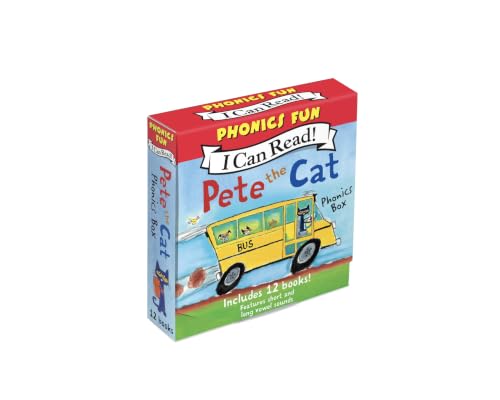
2.HarperCollins Pete the Cat Phonics Books
Twelve mini books feature short and long vowels for kids ages 3 to 6

3.Callisto Kids Learn to Read Activity Book
One hundred one phonics lessons teach your child how to read early

4.Scholastic First Little Readers Parent Pack
Twenty five books give beginning readers the right level of practice

5.Learn to Read Step-by-Step Phonics Book
Phonics, words, and stories take kids from first sounds to reading

6.HarperCollins The Fat Cat Sat on the Mat
Silly rhyming animal story engages children ages four to eight years

7.Touchstone Teach Your Child to Read Book
One hundred easy lessons guide you to teach your child how to read

8.Step into Reading Ice Cream Soup Book
Step one reading book helps young children build early literacy skills
1. Scholastic Bob Books Set 1 Phonics Readers
Bob Books Set 1 is a boxed set of phonics stories that helps children learn to read during kindergarten and beyond. Scholastic publishes these books for young kids who are starting their reading journey at age four and up.
Each story uses easy to read text with simple words that build reading confidence step by step. Young learners can sound out letters and short words easily without getting overwhelmed by long sentences or difficult vocabulary.
Proper packaging keeps the collection organized in a neat container for storage on bookshelves or in toy boxes. This stage one set guides children from the very first letters into reading whole sentences smoothly and independently.
The boxed collection weighs about two pounds and measures nearly six inches deep by two inches wide by six inches high. Small hands hold these compact little books comfortably during reading practice at home or inside a classroom.
Parents and teachers use this trusted phonics method to support early literacy skills and school readiness goals. Young readers enjoy the simple stories while mastering essential phonics foundations for future academic success.
- Easy to read text helps young readers
- Proper packaging keeps books safe
- Compact size fits small hands well
- Phonics approach builds reading skills
- No major cons
2. HarperCollins Pete the Cat Phonics Books
For beginning readers aged three to six, Pete the Cat 12-Book Phonics Fun provides twelve mini-books focused on short and long vowel sounds. HarperCollins publishes this box set of expert-reviewed stories designed to help children build essential early reading skills step by step.
Each mini-book features illustrated pages that capture young attention while kids sound out words. The colorful artwork brings the popular feline character to life on every page, keeping young learners engaged through the entire reading session.
Short vowel sounds and long vowel sounds appear throughout the stories, giving children the practice they need to decode new words successfully. This targeted approach supports early literacy development at home or in the classroom, helping little ones gain confidence as they learn.
Weighing about zero point six pounds, the boxed collection is light enough for small hands to carry around the house or pack into a backpack. The compact package stores neatly on a bookshelf when reading time ends.
Designed for preschoolers and kindergartners starting their reading journey, this set offers guided practice through familiar characters. Parents and teachers can use these mini-books to support phonics instruction and foster a lifelong love of reading in young children.
- Includes twelve mini-books for reading practice
- Focuses on short and long vowel sounds
- Features illustrated pages for young readers
- Built for kids aged three to six years
- No major cons
3. Callisto Kids Learn to Read Activity Book
Over 100 lessons fill the Callisto Kids activity book, guiding young learners through essential early reading skills. This phonics book supports children as they master letter sounds and blend them into simple words at home or in the classroom.
Each lesson builds confidence step by step, helping kids sound out words without frustration. Parents and teachers can use the structured pages during daily practice to reinforce classroom instruction and reading readiness.
The book weighs about 2 pounds, making it easy to carry in a backpack for on-the-go learning sessions. Young children can turn the pages easily while sitting at a desk or on the living room floor during quiet study time.
The volume measures 8 inches wide and 10 inches tall, providing plenty of space for writing practice and letter tracing. A slim spine helps the book lie flat on tables so learners can complete their daily activities comfortably.
This educational resource suits parents, teachers and tutors who want a reliable tool for teaching children to read. The practical layout gives kids the focused practice they need to build strong literacy foundations for future school success.
- Over 100 fun phonics lessons included
- Supports daily reading practice at home
- Slim spine helps the book lie flat
- No major cons
4. Scholastic First Little Readers Parent Pack
Beginning readers gain early reading skills with this book set, which helps young children master basic words and simple sentences. Scholastic publishes the collection, featuring twenty-five books designed to match the developmental stage of kindergarten learners and preschoolers.
Each small book focuses on repetitive text, making new words easy to recognize and remember. Bright pictures on every page match the story, so children can use visual clues to figure out unfamiliar terms during reading practice.
The set weighs about two pounds and comes in a compact box that fits easily on shelves or inside toy storage bins. Parents can guide their kids through short stories every evening to build confidence before formal schooling starts.
Illustrated pages keep little children focused on the plot from the first page until the end. This educational product suits toddlers, parents and teachers who want to encourage a lifelong love of reading at home.
- Includes twenty-five books for early readers
- Features illustrated pages to hold attention
- Guided reading level a supports beginners
- Compact storage box fits easily on shelves
- Books cover only a single reading level
5. Learn to Read Step-by-Step Phonics Book
Classrooms and living rooms fit Learn to Read Step-by-Step, which guides early readers from basic phonics up to complete stories. The title shows its path from first sounds to full words for children starting their reading journey.
Every page builds confidence through phonics practice that helps kids sound out letters and build vocabulary. Young readers move from simple sounds into reading short stories on their own.
Big clear type makes words easy to follow for small eyes tracing lines across each page. Parents can sit with children during reading time to offer help when tricky words appear.
The book measures about 8.5 inches deep by 0.25 inches wide and 11 inches high, fitting easily into small backpacks. Sturdy pages withstand daily turning by eager fingers as children practice their new reading skills.
Learning becomes an enjoyable daily habit with short lessons that keep attention spans focused on success. This reading guide suits young beginners, homeschooling parents and teachers looking for structured phonics practice materials.
- Guides children from phonics to stories
- Large type helps young readers follow words
- Sturdy pages withstand daily classroom use
- No major cons
6. HarperCollins The Fat Cat Sat on the Mat
I Can Read Level 1 makes learning fun with rhyming animal adventures. This book brings young readers an entertaining tale about a fat cat resting on a mat.
Early readers can build confidence through simple sentences and playful rhymes. Children aged four to eight will enjoy sounding out the words while following along with the cute story.
The book uses large text and friendly illustrations to keep little ones engaged from start to finish. Parents and teachers can use these guided reading pages to help children grow their vocabulary each day.
HarperCollins publishes this paperback edition for young kids just starting school. The black text stands out clearly against the bright pages for easy reading during story time.
Weighing about one pound, the lightweight book is simple for small hands to hold and carry. Young children can pack the story into a small backpack for reading on the go.
This educational animal story suits beginning readers who are practicing their phonics skills at home. Families looking for a fun bedtime story will find this level one reader a great addition.
- I Can Read Level 1 reading level
- Suits children ages four to eight
- Simple sentences and playful rhymes
- Easy to hold and carry anywhere
- Short length for older children
- Paperback cover can bend easily
7. Touchstone Teach Your Child to Read Book
Touchstone published Teach Your Child to Read in 100 Easy Lessons to guide young children through early reading skills. This revised and updated second edition helps kids master letters and sounds at home.
The white book weighs about two pounds, making it easy to hold during daily reading time. Its pages measure about eight inches deep by one inch wide by eleven inches high for comfortable reading.
Parents and teachers can follow the step-by-step layout to teach children new words and simple sentences. Clear instructions show adults how to help kids sound out letters and build vocabulary.
Short lessons keep children focused on reading practice without causing fatigue during study sessions. Daily practice helps young learners gain confidence as they finish more pages in the book.
Quiet rooms and study desks fit the book well for focused learning without distractions. This guide suits young children taking their first steps into reading.
- Revised and updated second edition
- Helps children learn to read at home
- Clear instructions for adults
- Step-by-step layout for kids
- No major cons
8. Step into Reading Ice Cream Soup Book
With colorful pages and easy words, Ice Cream Soup helps young children take their very first steps into reading. This Step 1 reader uses simple sentences and bright pictures to build confidence for kids who are just starting to recognize letters.
The short sentences on every page keep young readers interested without feeling overwhelmed by long text. Basic vocabulary words repeat often, which helps children learn sight words and sound out new terms on their own.
Bright illustrations match the story on every page, giving helpful visual clues about what the words say. Parents and teachers can use these clues to guide children through the plot as they practice turning pages and following lines of text.
Lightweight softcover design makes the book easy for small hands to hold during story time at home or in the classroom. Weighing just under two-tenths of a pound, it slips into a small backpack or bag for reading on the go.
Last but not least, this budget-friendly paperback offers an engaging story that keeps kids coming back for repeated readings. Early readers, preschoolers, and kindergarten students will find a fun reading companion in this colorful little book.
- Step 1 reader for early learners
- Simple sentences for new readers
- Bright and colorful illustrations
- Weighs under two-tenths of a pound
- Short length for older readers
How to Choose the Best Learning to Read Books
Choosing the right reading materials shapes a child’s early literacy journey, and your decision depends on factors like teaching method, reading level, child age, and book format.
| If You Need | Look For | Expect |
|---|---|---|
| Early sound blending | Phonics-based mini-books | Repetitive text structures |
| Guided progression | Level-marked reading sets | Higher initial investment |
| Interactive practice | Tracing and writing pages | Consumable workbook format |
| Familiar characters | Popular storytelling themes | Shorter phonics focus |
| Comprehensive instruction | Daily scripted lesson guides | Parent-led teaching time |
| Portable reading | Compact box sets | Small book sizes |
Reading Level and Progression
Reading materials should match your child’s current ability to prevent frustration and build steady confidence. Guided levels, such as Level A or kindergarten stages, help you select books that introduce new words gradually. Phonics-based sets start with simple letter sounds before moving to complete short stories.
Phonics Versus Whole Word
Phonics instruction teaches children how to sound out letters, giving them tools to decode unfamiliar words independently. Whole word approaches rely on sight recognition and repetitive sentence structures for quick memorization. Many successful programs combine both methods to build strong spelling and reading fluency skills.
Book Format and Structure
Box sets containing multiple mini-books offer distinct advantages for young children handling materials alone. Single softcover books or comprehensive workbooks provide different physical experiences that suit various learning environments. Lightweight books fit small hands easily, while larger workbooks need table space for writing activities.
Target Age Range
Age guidelines on book covers help narrow down options for toddlers, preschoolers, and early elementary students. Younger children aged three to five often need sturdy pages and heavy illustration support. Older beginners aged five to eight handle smaller text fonts and longer story arcs more comfortably.
Illustration and Visual Appeal
Bright pictures capture a young child’s attention and provide essential context clues for decoding difficult words. Minimalist illustrations keep focus directly on letters and simple sentences without causing visual distractions. Full-color artwork maintains engagement during daily reading sessions when attention spans run short.
Guided Versus Independent Reading
Some books require active adult participation, using scripted lessons to guide instruction step by step. Other formats allow children to read independently once they learn basic vocabulary and sight words. Consider your available schedule when choosing between parent-led instruction manuals and independent reader sets.
Set Size and Value
Boxed sets with twenty or more small books provide extensive variety to keep reading practice interesting. Smaller packs of ten or twelve books cost less initially but might require quicker upgrades to advanced levels. Assess the total page count and book quantity to determine overall value for your budget.
Price and Edition
Budget-friendly paperbacks cost very little while comprehensive instructional guides or large box sets require higher investments. Revised editions often include updated typography and clearer layouts that make reading instruction easier. Spending more usually buys structured curricula or larger libraries, but simpler sets work well for casual practice.
Frequently Asked Questions
Are all of these products single book stories or multi-book sets?
While many options like the Scholastic First Little Readers Parent Pack and Scholastic Bob Books Set 1 Phonics Readers include large multi-book collections, others like the Step into Reading Ice Cream Soup Book are individual titles.
What materials are these learning to read books made of?
These reading books are constructed from paper and cardstock pages designed for young children learning phonics and literacy skills.
What comes in the box when you purchase the Callisto Kids Learn to Read Activity Book?
The package includes one hundred one phonics lessons to teach your child how to read early.
Should I get the Scholastic Bob Books Set 1 Phonics Readers or the HarperCollins Pete the Cat Phonics Books?
The Scholastic Bob Books use phonics stories to help kindergarten kids start reading with easy text, while the Pete the Cat set features twelve mini books focused on short and long vowels for kids ages 3 to 6.
How do I handle teaching phonics and early reading to my child?
You can follow structured guides like the Touchstone Teach Your Child to Read Book, which provides one hundred easy lessons to guide you through teaching your child how to read.
Do any of these books help children who are transitioning from first sounds to full stories?
Yes, products like the Learn to Read Step-by-Step Phonics Book combine phonics, words, and stories to take kids step-by-step from first sounds to reading.
So, What Should You Buy?
Scholastic Bob Books Set 1 is the best pick for most families, offering simple phonics stories for kindergarten. Buyers on a budget will love HarperCollins Pete the Cat Phonics Books, while parents wanting structured lessons should choose the Callisto Kids Activity Book.
Select the model that best fits your child’s needs and start reading today.