

Houseplants brighten up your living space with natural color, fresh textures, and a calming presence. Houseplant care guides often sit on shelves, yet many readers struggle to find practical tips for specific light levels, watering routines, and pest control without wading through academic jargon.
These challenges have a simple fix: a comprehensive plant care book. It provides clear troubleshooting charts, detailed propagation steps, and reliable watering schedules that help you diagnose drooping leaves, prevent root rot, and keep your greenery healthy year-round.
Many guides offer photographic plant encyclopedias for easy identification, seasonal maintenance calendars, and tailored light advice for dark apartments or sunny windowsills. Your indoor garden thrives under expert guidance, while complicated botany terms become simple habits.
Authors approach plant care differently through varying levels of detail, photography styles, and species coverage. Compare the best indoor plant books below to find the right guide for your home.
7 Best Indoor Plant Books Reviews

1.Smith Street Books Plantopedia Book
Profiles over 130 houseplants with expert care and styling guidance
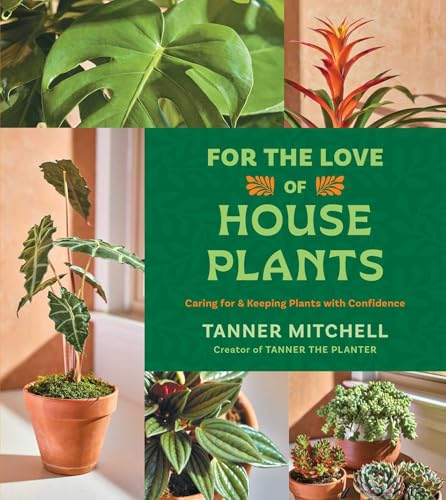
2.Simon Element Houseplant Plant Book
Builds confidence in caring for and keeping plants in your home space

3.Cool Springs Press Houseplants Book
Teaches choosing, growing, and caring for all your indoor plants

4.DK How Not to Kill Your Houseplant
Offers survival tips for the horticulturally challenged plant owner

5.Everyday Houseplant Handbook for Beginners
Guides beginners in identifying houseplants and fixing problems fast

6.The Houseplant Bible for New Parents
Uses light placement rules and watering tips to stop plant deaths

7.Callisto Houseplants for Beginners Book
Provides a practical guide to choosing, growing, and helping plants
1. Smith Street Books Plantopedia Book
Plantopedia by Smith Street Books serves as the definitive guide to houseplants for green thumbs and beginners who want to care for indoor greenery. This black volume weighs about 4 pounds and covers many popular plant varieties for home growers.
Detailed care guides fill the pages, helping you learn the right watering schedules, lighting needs and soil types for each green specimen. Clear instructions on propagation let you grow new plants from cuttings and expand your indoor jungle.
Troubleshooting tips help you spot early signs of pests, diseases and nutrient deficiencies before they harm your prized botanical collection. You can also read about humidity levels and temperature ranges that keep tropical plants thriving inside living rooms and offices.
Large color photographs showcase the natural beauty of various ferns, palms, succulents and trailing vines throughout the chapters. Botanical names and common names appear side by side so you can easily identify every single plant at your local garden center.
The hardcover binding keeps the pages safe from daily wear when you take the book down from the shelf for reference. This comprehensive plant guide suits avid gardeners, interior decorators and anyone bringing foliage into their home space.
- Covers many popular indoor plant varieties
- Detailed care guides for healthy plants
- Clear instructions on propagation
- Helpful troubleshooting tips for pests
- Weighs almost 4 pounds to hold
2. Simon Element Houseplant Plant Book
For indoor gardening enthusiasts, this book helps you care for and keep plants with confidence. The paperback guide by S&S/Simon Element teaches readers how to nurture different types of greenery. Each chapter covers soil types, watering schedules, and light needs for indoor spaces. You can learn how to fix common plant problems like drooping leaves, yellow spots, and pest issues.
The pages offer clear advice on picking the right pots and placing flora near windows. Plant lovers get step-by-step tips for pruning stems, dividing roots, and helping green friends grow tall. Colorful photos on the pages show healthy foliage in bright living rooms and cozy bedrooms. Beginners and experienced growers can use these methods to keep every leaf green.
The book weighs about 1.2 pounds, making it easy to carry around the house. You can set it on a shelf next to your gardening tools and plant food. The compact shape fits neatly inside a tote bag for reading on the go. This publication serves plant parents who want their indoor gardens to thrive year-round.
- Teaches how to care for indoor plants
- Gives tips for solving plant problems
- Includes guidance on soil and light
- Weighs about one pound for easy use
- No digital edition is available
3. Cool Springs Press Houseplants Book
About two and a half pounds of plant wisdom fills the pages of this complete guide to indoor greenery. Cool Springs Press wrote the book to help plant lovers find, grow and nurture houseplants.
Every chapter covers a step in plant care, from choosing the right species to daily watering routines and soil needs. Illustrated formats fill the volume, bringing each plant type to life with clear visual examples.
Detailed care instructions help prevent common issues like root rot or yellow leaves during different seasons. You can learn how to set up ideal lighting conditions in dark corners or sunny windowsills.
Practical tips on repotting give roots enough space to spread out and absorb necessary nutrients. Propagation methods show how to grow new plants from stem cuttings and share them with friends.
Troubleshooting sections address sudden leaf drop, pest invasions and underwatering mistakes before they harm your specimens.
This guide suits novice gardeners starting an indoor collection and experienced owners expanding their living spaces.
- Illustrated formats show plant care clearly
- Covers choosing, growing and indoor plants
- Written by the brand Cool Springs Press
- No major cons
4. DK How Not to Kill Your Houseplant
Plant lovers who struggle with watering schedules or sunlight find helpful advice in this guide. The book by DK teaches readers how to keep indoor greenery alive.
Every page covers simple methods to identify plant problems before leaves drop. Detailed photographs show healthy roots and stems, making plant care much easier to understand.
Readers learn proper watering amounts and the right soil types for various species. Clear steps explain how to repot drooping ferns or trim overgrown vines during the growing season.
Red cover designs help this title stand out on any desk or shelf. The volume weighs less than one pound, so reading through chapters during a morning commute stays comfortable.
Houseplants need regular attention, and this resource guides beginners through every step. Small troubleshooting charts give quick answers when leaves turn yellow or brown.
This compact volume spans just under eight inches tall, fitting neatly beside flowerpots. Beginners and busy owners find practical solutions for everyday plant care challenges inside these pages.
- Teaches proper watering amounts
- Explains right soil types
- Shows healthy roots and stems
- Guides through every step
- No major cons
5. Everyday Houseplant Handbook for Beginners
In every room with a sunny window, this guide helps readers care for indoor plants without second-guessing their choices. The book focuses on identifying different species, learning their specific water needs, and solving common health issues quickly.
Gardeners of all skill levels can use the practical advice to keep leaves green and stems strong. Each page offers clear steps for diagnosing drooping foliage, brown tips, and pest damage before plants suffer permanent harm.
Novice plant owners often struggle with watering schedules and lighting placements. This handbook explains those exact topics in plain terms so living rooms and home offices stay vibrant.
You can learn how to revive stressed greenery without feeling guilty about past mistakes or throwing away dying pots. The straightforward instructions take the guesswork out of daily plant maintenance for busy households.
Every chapter covers a new way to understand what your potted ferns and trailing vines require to thrive indoors. This reference book suits apartment dwellers, home decorators, and beginner botanists who want healthy indoor greenery.
- Teaches clear houseplant identification
- Solves plant problems quickly
- Guides absolute beginners well
- No digital edition included
6. The Houseplant Bible for New Parents
Light Placement Rules are the main feature of The Houseplant Bible for New Plant Parents, helping you position indoor greenery where sunshine meets their needs. This guide uses a home-first method to stop indoor plants from dying and build a thriving green home.
Seven no-fail watering tips offer clear guidance on moisture levels so roots stay healthy instead of drowning. Pest-proof secrets show you how to protect leaves from common bugs and keep foliage looking fresh.
Simple directions take the guesswork out of daily care for beginners who want thriving botanical collections. Every chapter gives practical advice on soil types, container choices and seasonal adjustments for indoor spaces.
Clear instructions make plant care manageable for apartment dwellers and homeowners with busy schedules. You can learn how to troubleshoot drooping stems, yellow leaves and other signs of distress before plants suffer.
This book weighs about six-tenths of a pound and measures roughly eight by eleven inches on the page. Beginners, plant lovers and urban gardeners will appreciate this helpful indoor gardening manual.
- Teaches home-first plant care methods
- Shares seven no-fail watering tips
- Includes pest-proof secrets for bugs
- Explains light placement rules
- Very thin book with few pages
7. Callisto Houseplants for Beginners Book
Callisto wrote Houseplants for Beginners to help new plant owners select the right greenery for their indoor spaces. This practical guide walks you through choosing resilient species, understanding soil needs, and helping your growing collection thrive year round.
Each page offers clear advice on watering schedules, sunlight requirements, and common pests that indoor gardeners face. You also learn how to repot plants properly and feed them the right nutrients during different seasons.
The book weighs about one pound, making it easy to carry around the house as you check on your leaves. Its paperback design fits nicely on a shelf or desk right beside your pots and watering cans.
This helpful handbook serves as our last choice for your indoor reading list. It suits beginners who want to build confidence and keep their indoor foliage healthy and green.
- Teaches how to pick indoor plants
- Explains basic watering routines
- Covers pest control for leaves
- Guides you through repotting steps
- No major cons
How to Choose the Best Indoor Plant Books
Choosing the right indoor plant book shapes your success with green spaces, transforming frustrating failures into thriving home gardens. Your skill level, living space lighting, and preferred reading style all influence which guide fits your daily plant care routine.
| If You Need | Look For | Expect |
|---|---|---|
| Quick beginner fixes | Step-by-step troubleshooting pages | Less botanical theory |
| Deep species catalog | Hundreds of plant profiles | A heavier hardcover book |
| Compact travel advice | Paperback binding under one pound | Smaller photographs |
| Interior design ideas | Home staging photographs | Higher purchase cost |
| Clear watering rules | Specific soil moisture guides | Fewer rare plant varieties |
Skill Level And Experience
Absolute beginners need simple troubleshooting steps rather than complex botanical terms that confuse new growers. Look for guides focusing on basic survival tips, because advanced propagation methods overwhelm novices who just want to keep ferns alive.
Your current confidence dictates the depth of instruction required for daily plant maintenance. Experienced indoor gardeners prefer exhaustive encyclopedias detailing rare species, while struggling owners benefit from basic guides explaining low light tolerance and watering frequencies.
Target Audience Focus
Houseplant manuals written for specific living situations help renters living in dark apartments. Urban dwellers need advice on surviving low light, whereas suburban homeowners require information on humidity control in spacious rooms.
Assess whether the publication targets apartment living or greenhouse spaces before spending your money. Books emphasizing home-first methods give practical advice for standard rooms, saving you from buying expensive specialty equipment you do not need.
Visual Content And Layout
Clear photography helps you identify mysterious leaf spots and pest damage on your drooping ferns. Illustrated guides with high-resolution images make diagnosing root rot much easier, but they often increase the physical weight of the volume.
Page layouts featuring bulleted lists and bold warnings allow quick scanning during emergency plant interventions. Dense paragraphs without visual breaks slow down your search for urgent pest control solutions, leaving your precious indoor vegetation at risk.
Physical Weight And Portability
Heavy hardcover encyclopedias offer durability, but they strain your wrists during long reading sessions on the couch. Pocket-sized paperbacks travel easily between rooms, yet smaller pages usually feature cramped text and tiny photographs.
Consider where you read your plant care instructions most frequently during a typical week. Books weighing under one pound sit comfortably in your lap, while four-pound reference volumes demand a sturdy table or desk surface.
Content Scope And Variety
Comprehensive plant directories list hundreds of different species with individual care requirements for watering and feeding. Targeted handbooks cover only twenty common varieties, leaving out unusual tropical specimens you might buy later.
Evaluate whether you want a broad overview of foliage types or specific instructions for succulents. General guides provide basic knowledge, but dedicated monographs suit collectors focusing exclusively on rare aroids or trailing vines.
Pricing And Value
Inexpensive paperbacks under twenty dollars deliver quick survival tips without breaking your household budget. Expensive hardcover editions costing forty dollars or more provide encyclopedic depth, premium photography, and durable bindings that last decades.
Paying higher prices makes sense when you need a permanent reference tool for a massive indoor jungle. Budget options suit casual owners who only need basic advice for a few windowsill pothos plants.
Warranty And Return Policies
Book purchases rarely include formal manufacturer warranties, but retail return policies protect you against printing defects. Check if missing pages or loose bindings qualify for immediate exchanges through your chosen online bookseller.
Frequently Asked Questions
Do these indoor plant books run on any power source or batteries?
None of these books require a power source or batteries since they are all physical reading materials.
What materials and paper build are used for these reviewed books?
The details for these seven books do not specify the exact paper materials or cover builds used in their construction.
What items come included in the box when you order one of these books?
Each purchase includes only the respective book itself, as no additional accessories or bonus items are mentioned in the product details.
Should I get the Simon Element Houseplant Plant Book or the Cool Springs Press Houseplants Book?
The Simon Element Houseplant Plant Book focuses on building your confidence in caring for and keeping plants, whereas the Cool Springs Press Houseplants Book specifically teaches you how to choose, grow, and care for all your indoor plants.
Which book should I choose if I want help identifying houseplants and fixing problems fast?
The Everyday Houseplant Handbook for Beginners is designed specifically to guide beginners in identifying houseplants and fixing problems fast.
How do I handle common jobs like stopping plant deaths with these books?
You can use specific guides like The Houseplant Bible for New Parents, which utilizes light placement rules and watering tips to stop plant deaths.
So, What Should You Buy?
For most readers, Plantopedia Book is the ultimate choice with its extensive profiles and styling tips. Beginners seeking quick fixes should grab the Everyday Houseplant Handbook, while the horticulturally challenged will thrive with How Not to Kill Your Houseplant.
Choose Houseplants for Beginners or The Houseplant Bible for practical rules, or pick Houseplants Book and Houseplant Plant Book to master overall care. Select the ideal book and start growing today.