

Good nutrition can support your workouts, energy, and recovery, but fitness advice online often conflicts or skips the reasoning behind it. A generic diet app may track calories, yet it rarely gives you the context to build lasting eating habits around your training.
Fitness nutrition books offer a clearer path. They explain how food supports exercise, recovery, and everyday health, helping you sort useful guidance from passing trends and make choices that suit your routine.
Many books include meal-planning ideas, clear explanations of nutrients, and practical tips for fueling workouts. You can learn how to balance meals, adjust your approach to different goals, and make nutrition feel more manageable.
Books vary in their focus, depth, and meal advice, so your needs and experience level matter. Explore the best fitness nutrition books below to find guidance that fits your goals.
7 Best Fitness Nutrition Books Reviews

1.DK The Science of Nutrition: Food Science
Explains nutrition science to help you debunk diet myths and eat well

2.CREATESPACE Fitness Nutrition: Fitness Guide
Covers nutrition and muscle building to support weight loss and lean

3.CREATESPACE Strength Training Nutrition 101
Build muscle and burn fat with a healthy way of eating you can

4.Rodale ROAR Revised Edition: Female Fitness
Matches food and fitness to female physiology for health and

5.Strength Training for Women Over 50
Build lean muscle and strengthen bones with nutrition and fitness
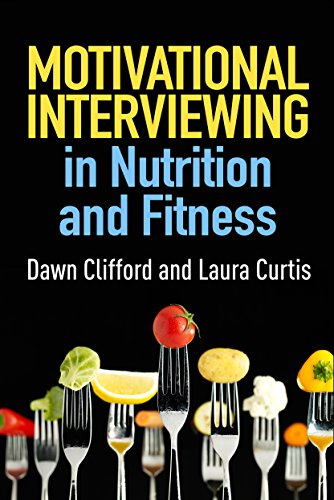
6.The Guilford Press Motivational Interviewing
Applies motivational interviewing to support change in nutrition and

7.Rodale Runner's World Performance Nutrition
Learn how to fuel workouts and support faster recovery for race day
1. DK The Science of Nutrition: Food Science
DK’s The Science of Nutrition explains how to question diet myths and make responsible food choices for health and happiness. Its focus on nutrition science makes it relevant to readers who want to understand the reasoning behind food advice, rather than simply follow a diet plan.
The book’s title signals two central topics: identifying diet myths and learning about responsible eating. That focus may help readers think more carefully about nutrition claims as they make choices about everyday meals.
It also connects food choices with health and happiness, giving the subject a broader scope than weight or dieting alone. Readers looking for an evidence-minded introduction to nutrition can consider whether that approach suits their goals.
The book weighs about 2.2 pounds and has a white cover. Its listed dimensions are about 8.6 by 0.9 by 10.3 inches, making it a substantial-format book rather than a compact pocket guide.
The available product details do not specify its chapter layout, recipes, illustrations or level of technical depth. This book suits readers who want to explore diet myths and responsible eating, especially those interested in the science behind nutrition advice.
- Covers diet myths and responsible eating
- Connects nutrition with health and happiness
- Focuses on the science behind food
- No details on recipes or chapter layout
2. CREATESPACE Fitness Nutrition: Fitness Guide
For readers building a fitness nutrition routine, this guide brings health, fitness, nutrition and muscle building together in one book. Its title also focuses on losing weight and building lean muscle, giving buyers several related topics to explore.
The book covers both weight loss and muscle gain, goals that often shape fitness meal planning. Readers can use its nutrition and fitness focus to consider how food and exercise relate to their personal training aims.
Muscle building receives specific attention in the title, alongside broader health and fitness topics. That range may suit someone looking for a single guide that addresses more than one part of a fitness routine.
At about 0.75 pounds, the book is light enough to carry between home, the gym or other reading spots. Its 9-inch height gives it a familiar book format, while its slim, roughly half-inch thickness takes up little room on a shelf or in a bag.
CREATESPACE publishes this title as part of the Muscle Building Series. The available product details do not list a page count, edition, meal plans or specific exercise programs, so buyers seeking those details may want to check the listing before choosing it.
This book suits readers who want one fitness-focused resource covering nutrition, health, weight loss and muscle building. Its broad subject mix is the main draw for people exploring ways to support lean-muscle goals while also learning about fitness nutrition.
- Covers nutrition, health, fitness and muscle building
- Addresses both weight loss and lean muscle goals
- Light, about 0.75-pound format is easy to carry
- Listing details do not specify a page count
3. CREATESPACE Strength Training Nutrition 101
Build muscle and burn fat with a healthy eating approach—that’s the promise in the title of Strength Training Nutrition 101. For readers comparing fitness nutrition books, its focus is strength training, body composition and an eating approach described as maintainable.
The title also signals a balance between muscle-building and fat-loss goals, rather than focusing on only one. That may suit readers who want nutrition guidance tied to both outcomes.
The book’s title emphasizes eating habits a reader can maintain, which speaks to the practical side of following a nutrition plan beyond a short-term effort. The available product details do not describe its specific advice, recipes or training guidance.
At about 2.3 pounds, it is a substantial book to carry between home and the gym. Its listed size is about 9 inches tall, so readers can consider its physical format when choosing where to store or read it.
The listing names CREATESPACE as the brand, but does not provide details about the book’s contents or format. It is best suited to readers drawn to strength-training nutrition and a sustainable approach to eating, who are comfortable checking further details before buying.
- Focuses on nutrition for building muscle and burning fat
- Promotes a healthy way of eating you can maintain
- Slim 0.34-inch profile is easy to store or carry
- No major cons
4. Rodale ROAR Revised Edition: Female Fitness
Women seeking a fitness nutrition book focused on female physiology may find ROAR relevant to their goals. Its title centers on matching food and fitness to women’s physiology, with the aim of supporting performance, health and a strong body.
The book connects nutrition with fitness rather than treating them as separate topics. That focus may help readers consider how eating and exercise choices relate to their bodies and training.
Its subject also makes it distinct from general fitness nutrition guides. Readers looking for information framed around women’s physiology can assess whether its approach fits the questions they want a book to address.
The listing identifies it as the revised edition, so buyers can choose this version rather than an unspecified earlier edition. The title emphasizes performance and long-term health alongside strength.
The book comes in a black format and weighs about 1.5 pounds. That makes it a physical book to consider for reading at home or carrying along, though the listing provides no details about its page count or reading level.
ROAR may suit women interested in nutrition and fitness guidance shaped around female physiology, especially those who want to explore how food and training connect to performance and health.
- Focuses on food and fitness for female physiology
- Covers performance, health, and long-term strength
- Revised edition offers an updated version
- Listing gives no detail on contents or reading level
5. Strength Training for Women Over 50
For a home bookshelf or workout area, *Strength Training for Women Over 50* focuses on nutrition and exercise for women in this age group. Its title describes a guide to building lean muscle, strengthening bones and improving balance.
The book also frames these topics around feeling younger day to day. Readers looking for fitness nutrition advice can use its focus on both food and strength training to decide whether its subject fits their goals.
Its listed dimensions are about 11 inches tall and 8.5 inches wide, with a slim profile of about a quarter inch. That makes it a fairly thin book to store on a shelf or carry in a bag.
The available product details do not list a page count, specific exercises, meal plans or nutrition topics. Buyers who want to compare those details before choosing may need to check the book’s description or sample pages.
This guide suits women over 50 who want a book centered on nutrition, strength training, muscle, bone strength and balance. Its stated focus is useful for readers seeking those topics together, though the listing provides little detail about the book’s contents.
- Covers strength training and nutrition together
- Focuses on muscle, bones and balance
- Tailored to women over 50
- Listing gives no details on plans or exercises
6. The Guilford Press Motivational Interviewing
Motivational interviewing is the book’s central approach to nutrition and fitness. It belongs to the Applications of Motivational Interviewing Series and focuses on applying that approach in these two areas.
For readers interested in how conversations can support nutrition and fitness goals, the title points to a practical subject rather than a general guide to exercise or eating. Its illustrated format gives the book a visual element alongside the text.
The book weighs about 0.9 pounds, making it relatively light to carry between home, work and study. Its 9-inch height also gives readers a compact book format for a shelf or bag.
Published by The Guilford Press, it may suit readers who want to explore motivational interviewing in the context of nutrition and fitness. The title alone does not specify its intended audience or the depth of its guidance, so buyers seeking a particular level of instruction may want to check the contents before choosing it.
This book is best suited to readers looking for an illustrated introduction to motivational interviewing as it relates to fitness and nutrition, rather than a book whose title focuses on meal plans or workout routines.
- Applies motivational interviewing to nutrition and fitness
- Illustrated format adds visual material to the text
- About 0.9 pounds for easier carrying
- No major cons
7. Rodale Runner’s World Performance Nutrition
Rodale offers a used copy of Runner’s World Performance Nutrition for Runners, a fitness nutrition book about fueling workouts, supporting recovery and preparing for race times.
The title frames the book around runners’ nutrition needs. It points readers toward food choices for stronger workouts, faster recovery and race preparation, making it relevant to runners who want guidance tied to training.
Because the listing identifies this as a used book, its condition may differ from a new copy. The seller describes it as being in good condition, though the listing gives no further detail about wear.
At about 5.8 by 9 inches, the book has a compact format for reading at home or carrying along. It weighs about 0.6 pounds, so it should be manageable to hold during a reading session.
The listing gives no details about the book’s chapters, recipes or specific nutrition plans, so buyers may want to check the title and edition before ordering. Its subject makes it most relevant to runners seeking nutrition advice for training and races.
As our final pick, it suits runners interested in nutrition for workouts, recovery and race preparation, especially those comfortable buying a used copy.
- Focuses on nutrition strategies tailored to runners
- Covers fueling workouts and post-run recovery
- Connects nutrition advice to race-day performance
- Used condition may show signs of prior handling
How to Choose the Best Fitness Nutrition Books
Choosing a fitness nutrition book is easier when its advice fits your goal, training, and way of eating. Audience, evidence, practical detail, format, and price all affect whether you will understand and use the guidance.
| If You Need | Look For | Expect |
|---|---|---|
| Everyday food guidance | Evidence-based nutrition basics | Less sport-specific detail |
| Muscle or strength support | Protein and training advice | More focus on lifting |
| Running performance | Workout and race fueling | Less coverage of other sports |
| Advice for women | Female-specific physiology | Narrower audience |
| Support after 50 | Age-aware strength and nutrition | Less focus on younger athletes |
| Help changing habits | Coaching and behavior tools | Fewer meal-by-meal plans |
Match Your Goal
Start with the result you want, because a focused book usually gives more useful detail than a broad guide. Look for clear coverage of weight management, muscle gain, strength, general health, or sport performance.
For running, seek guidance on fueling before, during, and after training, along with race preparation. Strength trainees often need practical advice on protein, energy intake, and recovery, while general readers may prefer balanced eating basics.
If you have several goals, choose a book that explains how its advice fits together. A guide aimed at weight loss and muscle building should distinguish those aims rather than implying every strategy works equally well for both.
Evidence And Claims
Nutrition advice changes as research develops, so look for explanations that distinguish established findings from emerging ideas. References, source notes, and clear discussion of uncertainty help you judge where recommendations come from.
Be cautious of promises that a single food, supplement, or strict plan will guarantee fat loss, muscle gain, or faster race times. Credible guidance explains that results depend on overall eating patterns, training, sleep, and individual circumstances.
A book that challenges diet myths may suit readers who want context, but skepticism alone is not proof of accuracy. Prefer explanations that show the evidence behind a claim and acknowledge when research does not support a firm answer.
Audience And Physiology
Some books address female physiology, while others focus on a particular age group or training population. That focus can make examples and recommendations more relevant, but it also narrows how directly the advice applies to other readers.
Look for a clear explanation of who the book is for and which needs it covers. Readers seeking women-specific guidance may value discussion of physiology and performance; adults over 50 may want strength, bone health, and balance included.
A specialized audience does not replace personal medical advice. If you have a health condition, take medication, or have changing nutritional needs, use the book as general education and ask a qualified clinician about your situation.
Training And Recovery
The most useful sports nutrition guidance connects food with the demands of training. Look for explanations of energy needs, meal timing, hydration, and recovery, rather than advice that treats eating and exercise as separate topics.
Runners benefit from guidance for ordinary workouts as well as longer sessions and race day. Strength trainees should look for practical discussion of protein and total food intake, with advice that supports training without promising instant changes.
Recommendations should account for differences in workout length and intensity. A plan built for endurance events may be excessive for casual exercise, while minimal fueling advice may leave high-volume athletes short of useful detail.
Practical Guidance
Theory helps you understand nutrition, but examples make it easier to put into practice. Look for sample meals, food choices, planning tips, or clear explanations of how to adjust portions around your routine.
A book does not need a rigid meal plan to be useful. Flexible guidance may suit readers who want to make their own choices, while structured menus can help people who prefer a clear starting point.
Check whether examples fit your budget, food preferences, and schedule. Advice that depends on elaborate preparation or unfamiliar ingredients is less useful if you need simple meals that work around training and everyday commitments.
Approach To Behavior
Nutrition plans are easier to sustain when they account for habits, motivation, and setbacks. A book using behavior-change tools may help readers explore what they want to change and build manageable steps.
Motivational interviewing is a counseling approach that uses questions and conversation to support a person’s own reasons for change. A book on this method may suit coaches or professionals more than readers seeking recipes or a personal eating plan.
Look for language that respects individual choice and avoids shame. Guidance focused on small, realistic changes often suits people who have struggled with strict diets, while readers wanting direct instructions may prefer a more prescriptive format.
Reading Level And Format
Consider whether you want an accessible introduction, a detailed reference, or material aimed at professionals. A coaching-focused text may use concepts that need more attention, while a general guide should explain nutrition terms in everyday language.
Illustrations, diagrams, and clear headings help when a subject includes body processes or counseling methods. Sample pages, contents lists, and the stated audience can help you judge whether the layout supports quick reference or slower study.
Also consider how you prefer to read. A larger, illustrated book may be easier to consult at home, while a compact paperback is simpler to carry; either format is useful if its text is comfortable to follow.
Edition And Condition
For revised or reprinted books, confirm the edition shown in the listing matches the one you intend to buy. Updated editions may change examples or guidance, and an older copy may not reflect newer nutrition research.
Used-book listings need extra attention to condition. Look for notes about highlighting, writing, missing pages, or damage, since markings and wear affect both readability and the value of a reference book.
When the listing gives limited details, do not assume the copy is new or complete. Confirm edition, format, and condition before ordering, especially if you need a specific version for study or professional use.
Size And Portability
Book dimensions and weight affect where you will use it, not the quality of its advice. A larger volume may offer room for illustrations and reference material, but it is less convenient to carry.
For reading during commutes or at training venues, a lighter book around one pound or less is easier to pack. Heavier books may be better suited to a desk or home shelf, particularly when you plan to consult them regularly.
Check listed measurements if shelf space or carrying comfort matters to you. A compact book can be handy for travel, while a larger page size may make charts and diagrams easier to read.
Price And Value
Price often reflects format, length, edition, and whether a copy is new or used, rather than the accuracy of its advice. Compare the listing’s condition and format with the amount of detail you need.
A lower-priced book may be enough for a focused introduction or a single training goal. Paying more is worthwhile when you need broader coverage, an updated edition, or a detailed reference you expect to revisit.
Before buying, consider whether the book offers the kind of help you will use. Paying for an advanced professional text makes little sense if you want simple meal ideas, while a brief overview may disappoint readers seeking in-depth training guidance.
Frequently Asked Questions
Are these fitness nutrition books digital or print?
The product details do not specify formats or power sources. Check the listing for each title to confirm whether it is available as a print book, an ebook, or both.
Which book should I choose to understand nutrition science and diet myths?
DK The Science of Nutrition explains nutrition science and helps readers debunk diet myths and make informed eating choices.
Which books focus on strength training and building muscle?
CREATESPACE Fitness Nutrition and CREATESPACE Strength Training Nutrition 101 both address nutrition and muscle building. Strength Training for Women Over 50 is tailored to women seeking lean muscle and stronger bones.
Should I pick ROAR Revised Edition or Strength Training for Women Over 50?
Choose Rodale ROAR Revised Edition for guidance that matches food and fitness to female physiology. Choose Strength Training for Women Over 50 if your priorities are building lean muscle and strengthening bones after 50.
Which book is aimed at runners and race-day preparation?
Rodale Runner’s World Performance Nutrition focuses on fueling workouts and supporting recovery for race day.
What comes in the box with these books?
The product details identify the books but do not specify packaging or included extras. Check the individual listing for details about the edition and format.
Which book can help with changing eating habits?
The Guilford Press Motivational Interviewing applies motivational interviewing to support change in nutrition. It may suit readers looking for guidance on making lasting nutrition changes.
So, What Should You Buy?
For most readers, DK’s *The Science of Nutrition* is the best pick, offering clear guidance for debunking diet myths and eating well. Choose *Fitness Nutrition* for advice on muscle building and weight loss, or *Strength Training Nutrition 101* if your focus is building muscle and burning fat.
Women can turn to *ROAR* for guidance tailored to female physiology, while *Strength Training for Women Over 50* focuses on muscle and bone strength. *Motivational Interviewing* supports nutrition-related change, and runners may prefer *Runner’s World Performance Nutrition*. Choose the book that fits your goals.