

Fertility books can help you understand your cycle, prepare for appointments, and make informed choices on a path that can feel full of unfamiliar terms. Online searches offer quick answers, but scattered advice may lack context and leave you unsure which guidance applies to your situation.
For clearer guidance, a fertility book brings key information together in one place. It can explain reproductive health in plain language, outline common tests and treatments, and give you useful questions to discuss with a qualified clinician.
Many books also include cycle-tracking tips, evidence-based explanations, and practical prompts for conversations with a partner or doctor. These features can help you feel more prepared, understand your options, and keep notes as you move through each step.
Books differ in focus, tone, and detail, so consider whether you want help with medical basics, emotional support, or treatment choices. Explore the best fertility books below to find a thoughtful guide for your needs.
7 Best Fertility Books Reviews

1.S·WONIU Real Food for Fertility Book
Preconception nutrition and fertility awareness help prepare your body

2.William Morrow Taking Charge of Your
Learn natural birth control and reproductive health in this guide
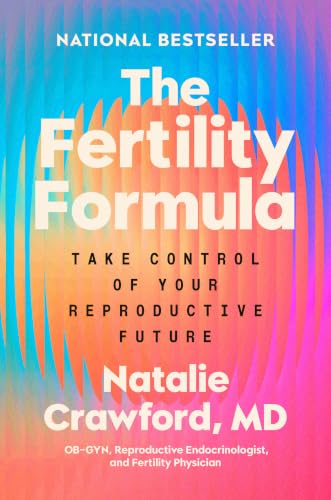
3.Penguin Life The Fertility Formula Book
Take control of your reproductive future with this fertility guide

4.Abrams Image Awakening Fertility Book
Explore the essential art of preparing for pregnancy with this book

5.Franklin Fox It Starts with the Egg
Learn the science of egg quality for fertility, miscarriage and IVF

6.Workman What to Expect Before You're
A complete guide to getting pregnant helps you prepare for pregnancy

7.DemosHealth Yes, You Can Get Pregnant Book
Natural ways to improve fertility now and into your 40s are covered
1. S·WONIU Real Food for Fertility Book
Real Food for Fertility helps readers prepare for pregnancy through preconception nutrition and fertility awareness. Its focus on those two areas gives people planning a pregnancy a guide to consider before trying to conceive.
The title points to practical topics for readers who want to learn how nutrition relates to preconception health. Fertility awareness is another focus, for readers looking to understand their fertility as they prepare for pregnancy.
The book weighs about 1.5 pounds, making it manageable to pick up for reading at home or carry along. Its listed dimensions put it in a compact book format that can fit on a shelf or in a bag.
The available product details name its subject and physical specifications, but do not provide information about chapter contents or specific advice. Readers who want a fertility book centered on preconception nutrition and fertility awareness may find its stated focus relevant.
- Covers nutrition before pregnancy planning
- Includes fertility awareness as a topic
- Weighs about 1.5 pounds for portability
- Details do not describe its specific guidance
2. William Morrow Taking Charge of Your
For readers exploring natural birth control and reproductive health, *Taking Charge of Your Fertility* offers a guide focused on those subjects. This 20th anniversary edition is presented as a definitive resource, making it a candidate for readers who want fertility information in book form.
The title covers natural birth control as well as reproductive health, so it addresses more than fertility alone. Readers considering how these subjects relate can weigh the book’s broad scope against their own questions and interests.
Its 20th anniversary edition designation distinguishes this version in the title. That may help readers identify the edition they are considering, though the provided details do not specify what content changed for this anniversary release.
At about 2.3 pounds, the book is substantial to carry compared with a slim paperback, so it may be more comfortable to read at home than to take along every day. Its listed size is about 9 inches tall, giving it a larger book format.
The available product details do not describe the chapters, illustrations, or specific methods covered. Buyers who want to compare the book’s exact topics before choosing may need to check further information.
This book best suits readers seeking a broad guide to natural birth control and reproductive health, especially those who value a substantial anniversary edition and want one resource spanning both subjects.
- Covers natural birth control and reproductive health
- 20th anniversary edition is identified in title
- Large format offers a substantial reading edition
- Weighs about 2.3 pounds to carry
3. Penguin Life The Fertility Formula Book
1.239 pounds is a manageable weight for a fertility book you may want to carry between home and appointments. The Fertility Formula: Take Control of Your Reproductive Future comes from Penguin Life, and its title positions it as a guide to reproductive health.
The available product details do not describe its topics, advice or approach, so there is no basis to judge how deeply it covers fertility or what guidance it provides. Buyers who want to compare its medical information, author credentials or practical exercises will need to check the book’s contents before choosing it.
Its 6.36-inch depth and 9.33-inch height describe a standard book format that can sit on a shelf or fit into a reading space. The listed width is 1.35 inches, and its multicolor presentation adds a visual detail without revealing the cover design.
Since the listing supplies no description of chapters or intended readers, the title is the clearest indication of its focus: taking a more informed role in reproductive decisions. That may make it worth considering for readers looking for a fertility-focused book, while those seeking specific subjects should verify them first.
The book’s modest weight also makes it a practical option for reading away from home. It suits readers who want a book centered on fertility and reproductive choices, especially those comfortable checking the contents before buying.
- Fertility and reproductive health focus
- Manageable 1.2-pound weight for carrying
- Compact book format for home reading
- Listing gives no details about its contents
4. Abrams Image Awakening Fertility Book
People preparing for pregnancy who want an illustrated guide may find Awakening Fertility a useful book to consider. Its title focuses on getting ready for pregnancy, making it relevant to readers looking for guidance before conception.
The book’s illustrated format is its clearest detail for buyers. Images can accompany written information, giving readers another way to engage with the material as they read about preparing for pregnancy.
At about 9.4 inches tall and 7.3 inches deep, the book has a substantial page size for reading at home. Its listed weight is about 2.3 pounds, so it may feel more suited to a desk or bedside table than to carrying around all day.
The title presents pregnancy preparation as the book’s central subject. Readers choosing among fertility books can use that focus to decide whether they want a guide centered on the period before pregnancy rather than another fertility topic.
The Amazon details do not give a contents list, author information, page count, or specific subjects covered. Buyers who want to check for particular advice or topics will need more information before deciding whether the book matches their needs.
This illustrated book may suit readers seeking a pregnancy-preparation title and who are comfortable choosing without a detailed contents description. Its format and stated focus are clear, while the available listing leaves the book’s specific coverage open.
- Illustrated format offers visual reading support
- Focuses on preparing for pregnancy
- Listing gives no contents or topic details
5. Franklin Fox It Starts with the Egg
On a bookshelf for fertility and reproductive health, *It Starts with the Egg* focuses on egg quality and its connection to fertility, miscarriage, and IVF. This third edition suits readers looking for a book centered on those subjects.
The title points to a specific concern for people exploring fertility: egg quality. It places that topic alongside miscarriage and IVF, giving readers a way to consider these related issues within one book.
Readers who are preparing for fertility treatment may find the IVF focus relevant. The book also addresses miscarriage, making it pertinent to people seeking information about more than conception alone.
At about 1.2 pounds, the book is light enough to carry between home, appointments, or a library. Its 5.5-inch depth and 8.5-inch height give it a compact book format that can fit on a shelf or in a bag.
The third edition may appeal to readers who want this particular title in its later edition. The available product details do not provide a contents list or describe specific guidance, so buyers may want to check the book’s description or sample pages for the topics they need.
For readers comparing fertility books, its clear subject focus is the main reason to consider it. It best suits people who want to read about egg quality in relation to fertility, miscarriage, and IVF, rather than a broad guide to every aspect of reproductive health.
- Covers egg quality, fertility, miscarriage, and IVF
- Third edition for readers seeking this edition
- Compact book format is easy to carry
- Product details do not describe its contents
6. Workman What to Expect Before You’re
Getting pregnant is the focus of What to Expect Before You’re Expecting, a guide for people preparing to conceive. Its title signals a practical topic: what to consider before trying for a baby, rather than advice centered on pregnancy after conception.
The complete-guide format gives it room to address the before-pregnancy stage as its own subject. Readers can turn to it while thinking through the decision to try, or use it as a starting point for questions they want to explore.
As a fertility book, it may suit people who want a dedicated guide about getting pregnant. The title also makes its scope easy to distinguish from a general pregnancy book, which can help readers choose a book that matches the stage they are in.
The available listing does not describe the book’s specific topics, advice, or organization, so buyers cannot tell from these details how deeply it covers particular fertility concerns. It also does not give an edition date or other information about how current its guidance is.
At about 2.3 pounds, it is a substantial book to carry compared with a lightweight paperback. Its listed size is about 9 inches tall, though the listing does not identify the binding or number of pages.
This book is best suited to readers who want a standalone guide focused on getting pregnant and are comfortable checking the book’s contents before buying. Those seeking detailed information on a specific fertility issue may want to confirm that the relevant topic appears inside.
- Focuses on the stage before pregnancy
- Complete guide devoted to getting pregnant
- Its title clearly identifies its subject
- Listing gives no detail on specific topics
7. DemosHealth Yes, You Can Get Pregnant Book
DemosHealth’s *Yes, You Can Get Pregnant* is a fertility book about natural ways to improve the chances of pregnancy. Its title also addresses readers thinking about fertility into their 40s, giving the book a focus on conception and age.
The book’s central subject is natural approaches to fertility, rather than a general guide to pregnancy or parenting. Readers can consider it if they want a resource centered on trying to conceive and improving fertility.
Its age range is another part of the focus: the title speaks to people who want to pursue pregnancy into their 40s. That may make the subject relevant to readers considering conception at different stages of adulthood.
The available product information does not list chapters, specific methods, or medical guidance, so buyers cannot assess the book’s detailed approach from these details alone. They may want to check the contents before deciding whether it covers the questions they have.
The book weighs about 1.2 pounds and measures about 9 inches tall, making it a substantial paperback-sized volume to keep at home or carry to appointments. Its stated dimensions describe a compact book rather than a large reference volume.
As the roundup’s final choice, it suits readers looking for a book specifically about natural fertility and pregnancy into the 40s. The limited listing details make checking its contents especially useful before purchase.
- Focuses on natural approaches to fertility
- Addresses trying to conceive into your 40s
- Weighs about 1.2 pounds for carrying
- Listing gives no chapter or method details
How to Choose the Best Fertility Books
Choosing a fertility book is easier when its focus matches your situation, from preconception planning to cycle awareness or treatment questions. Your preferred reading style, need for current medical guidance, and budget also shape which book will be useful.
| If You Need | Look For | Expect |
|---|---|---|
| Preparing before pregnancy | Preconception nutrition and planning | Lifestyle guidance, not a personal care plan |
| Understanding cycles | Fertility awareness and reproductive health | Daily tracking and close attention |
| Exploring egg quality | Research-led coverage of egg health | Specific subject, less breadth elsewhere |
| Considering IVF or miscarriage | Clear discussion of treatment and loss | More clinical detail and sensitive topics |
| A broad starting point | General getting-pregnant coverage | Wider scope, less depth on one issue |
| Reading on the go | Lighter paperback or digital edition | Easier carrying, possibly smaller print |
Match The Main Focus
Start with the question you most want the book to answer, because fertility titles can cover very different stages and concerns. Some focus on preparing for pregnancy, while others explain cycle awareness, egg quality, or reproductive health.
If you are not sure where to begin, a broad guide to getting pregnant may help you map the basics. A specialized book suits you better when you already have a specific concern or topic in mind.
Look at the contents page and chapter headings before buying, because titles alone do not reveal how much space a book gives each subject. Confirm that its main topics match your current stage, rather than a later step.
Check The Evidence
Fertility advice can affect health decisions, so look for clear references, named medical sources, and explanations of how evidence supports recommendations. A book should distinguish established findings from emerging research, personal stories, and proposed approaches.
Publication date matters because reproductive-health research and guidance can change. For advice involving medication, testing, supplements, or treatment, favor a recent edition and confirm important decisions with a qualified clinician.
Be cautious when a book promises a specific result or presents one change as a solution for everyone. Fertility depends on many factors, and a responsible guide should explain limits, uncertainties, and reasons to seek medical advice.
Consider Your Situation
Your age, health history, and time trying to conceive affect which information is most useful. A reader preparing for a first pregnancy may want foundational planning, while someone facing treatment questions may need focused explanations and support.
Check whether the book addresses your stage directly, including age-related concerns when relevant. If it does not, avoid treating general guidance as tailored advice; ask a clinician how recommendations apply to your circumstances.
For ongoing difficulty conceiving, a book can help you prepare questions, but it should not replace an evaluation. Clinical guidance is especially important when you have irregular cycles, known reproductive conditions, or repeated pregnancy loss.
Choose The Reading Style
Some fertility books work like reference guides, with structured chapters and practical steps; others emphasize a particular subject or explain it through illustrations. Pick a style you will return to, not just one that sounds appealing in a listing.
A detailed guide may help when you want background and context, but it takes more time to read. Shorter, focused coverage suits a specific question, though it may leave related topics for another source.
Preview sample pages where available, because tone and layout affect how easy sensitive information is to absorb. Plain language, clear headings, and useful summaries help when you are reading under stress or sharing chapters with a partner.
Assess Practical Advice
Look for suggestions you can realistically follow, such as questions to raise at appointments or ways to understand cycle information. Practical guidance is more useful when it explains who it suits and what limits or risks apply.
Nutrition and lifestyle recommendations should be specific without implying that they guarantee pregnancy. Consider whether advice accounts for different diets, budgets, medical needs, and access to care, rather than assuming one routine works for every reader.
Cycle-awareness material may require regular observations and record-keeping, so consider whether you are willing to track patterns consistently. If you want information about natural birth control as well as fertility, ensure the book treats the method’s responsibilities and limitations clearly.
Check Edition And Coverage
An updated edition can include revised research, expanded topics, or corrected information, but a new edition does not automatically cover every question you have. Confirm its publication details and contents before paying extra for an update.
Look for clear coverage of subjects you need, such as IVF, miscarriage, egg quality, or preparing before conception. A book that covers one topic deeply may offer less help with broader planning, so set priorities first.
When advice conflicts with your clinician’s instructions, use the book to frame questions rather than override care. This is particularly important for treatment decisions, supplements, and health conditions that need individual assessment.
Consider Format And Size
A physical book is easy to mark, lend, and read without a screen, but its weight and size affect where you can use it. Listings commonly describe books around nine inches tall and roughly one to two pounds.
If you expect to read during appointments or travel, a lighter paperback or digital edition may be easier to carry. Digital formats also allow adjustable text, though screen reading is not comfortable for everyone.
Illustrations and charts can make body processes easier to understand, while dense text may suit readers who want more detail. Check sample pages for readable print, clear diagrams, and a layout you can follow.
Compare Price
Lower-priced options may be older editions, shorter books, or used copies with wear; inspect listing details and edition information before buying. A low price is less useful if the book omits the subject you need.
Higher prices may reflect a newer edition, a larger reference book, or a particular format, not stronger medical evidence. Paying more makes sense when the coverage, update, or readable format meets a clear need.
Compare the total cost across print, digital, and used versions, including shipping where relevant. If a library copy is available, browsing it first can help you decide whether owning the book is worthwhile.
Review Return Terms
Books usually have fewer durability concerns than equipment, but print quality and binding still affect regular use. For a heavy reference book, a sturdy binding and pages that lie open can make repeated reading more comfortable.
Before ordering, read the seller’s return window and rules for opened or digital items. Clear return terms offer a practical safeguard if the edition, format, or condition does not match the listing.
Frequently Asked Questions
Do these fertility books require batteries or a power source?
No. These are print books, so they do not require batteries or electricity.
What materials are these books made from?
They are books with printed pages and covers. The product details provided do not specify the cover or page materials.
What comes with each book?
Each product is a book focused on fertility or preparing for pregnancy. The provided details do not list any additional items included in the package.
Should I choose Real Food for Fertility or It Starts with the Egg?
Choose Real Food for Fertility if you want a focus on preconception nutrition and fertility awareness. It Starts with the Egg focuses on the science of egg quality, miscarriage, and IVF.
Which book can help me learn about natural birth control and reproductive health?
Taking Charge of Your is described as a guide to natural birth control and reproductive health.
Which books cover preparing for pregnancy?
Awakening Fertility explores preparing for pregnancy, while What to Expect Before You’re offers a guide to getting pregnant and preparing for pregnancy.
Which book discusses natural ways to improve fertility into your 40s?
Yes, You Can Get Pregnant covers natural ways to improve fertility now and into your 40s.
So, What Should You Buy?
For most readers, Franklin Fox’s *It Starts with the Egg* is the strongest pick, offering a science-focused look at egg quality, fertility, miscarriage, and IVF. For practical preparation, choose *What to Expect Before You’re*; for nutrition and fertility awareness, pick *Real Food for Fertility*.
Want natural approaches, including into your 40s? Consider *Yes, You Can Get Pregnant*. *Taking Charge of Your* focuses on reproductive health and natural birth control, while *The Fertility Formula* and *Awakening Fertility* offer broader guidance. Choose the book that best fits your next step.