

Ethnography books bring you close to the routines, beliefs, and relationships that shape communities around the world. News articles and quick online summaries offer snapshots, but they rarely provide the context or sustained observation that help you understand how people make meaning in daily life.
For a fuller view, an ethnography book follows people and communities over time, drawing on interviews, observation, and cultural context. Clear, carefully researched accounts help you connect everyday details with larger social questions, without reducing a community to a few headlines.
Many books pair vivid storytelling with historical background, field notes, or thoughtful analysis, so you can follow both individual lives and broader traditions. Their subjects range from family and work to migration and identity, offering fresh perspectives and useful context for curious readers.
Authors, settings, and writing styles vary, so consider which cultures or themes interest you and how much analysis you prefer. Explore the best ethnography books below to find a thoughtful read that suits your curiosity.
7 Best Ethnography Books Reviews

1.AK Press Direct Action: An Ethnography
A used copy in good condition for reading about direct action
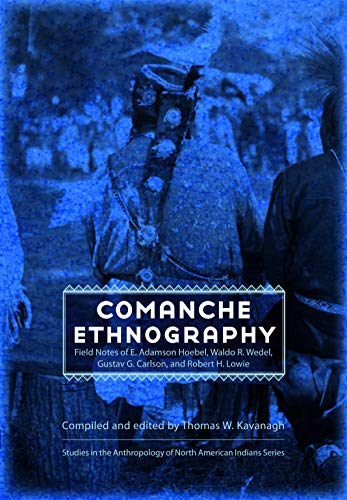
2.University of Nebraska Press Comanche
Field notes document Comanche life and culture through research

3.Polity On Ethnography Research Guide
A guide to ethnography explains methods and practices for research

4.Anchor Books Guests of the Sheik Ethnography
An ethnography of an Iraqi village shares insights into everyday life

5.MACMILLAN The Social Organization of Practice
Institutional ethnography examines how physicians organize their work

6.Understanding Ethnography Fieldwork Guide
Learn fieldwork methods and analysis as an emerging ethnography

7.Duke University Press Liquidated: Wall Street
Ethnography reveals how financial markets shape everyday work
1. AK Press Direct Action: An Ethnography
Direct Action: An Ethnography is a used book for readers exploring ethnographic writing and direct action. Its title identifies the subject, while the listing describes the copy as being in good condition.
The listing does not provide details about the book’s author, publication date, edition or contents. Readers who want to compare those details before buying may need to check the book’s listing or another source.
This copy weighs about 2 pounds, a useful detail if you plan to carry it between home, class and a library. It measures about 9 inches tall, so it has the height of a typical book rather than a pocket-sized format.
The seller identifies the item as a used book in good condition. That description gives buyers a general sense of its condition, though the provided information does not specify notes about wear, markings or the cover.
The listing also gives no page count, binding type or extra materials. Buyers looking for a particular edition or a book with a specific format should confirm those details before placing an order.
For readers interested in ethnography and direct action, the title makes the subject clear, and the condition note offers a basic guide to the copy. It suits buyers comfortable choosing a used book with limited listing details.
- Title clearly identifies its ethnography subject
- Condition is listed as good for a used copy
- About 9 inches tall suits standard book storage
- Listing gives limited details about the edition
2. University of Nebraska Press Comanche
For readers studying Comanche life through field research, this book brings together notes by E. Adamson Hoebel, Waldo R. Wedel, Gustav G. Carlson, and Robert H. Lowie. It belongs to the Studies in the Anthropology of North American Indians series.
The title identifies the book as an ethnography built around field notes, making it a relevant choice for readers interested in research on Comanche communities. Its four named contributors give buyers clear information about whose work the volume collects.
The book comes in an illustrated format, which may interest readers who want a visual component alongside the written material. The listing does not describe the illustrations, so buyers may want to check a preview or fuller description to see what they include.
At about 3 pounds, it is a substantial book to carry between home, class, or a library. Its roughly 10-inch height makes it a standard-sized volume for reading and shelving.
This University of Nebraska Press title suits anthropology students, researchers, and readers seeking a field-notes-based ethnography of Comanche life. The available listing gives little detail about the book’s contents beyond its title and format.
- Collects field notes from four named researchers
- Focuses on Comanche ethnography and field research
- Illustrated format adds a visual component
- Listing gives little detail about its contents
3. Polity On Ethnography Research Guide
On Ethnography weighs about 0.6 pounds, making it a light book to carry between home, class and the library. For readers choosing an ethnography title, its small, portable format is the only product detail supplied, so there is no information here about its approach or coverage.
The book measures about 8.5 inches tall, a familiar paperback-sized height that fits easily on a bookshelf or in a bag. Its width is about 0.8 inches, giving it a slim profile for carrying alongside notebooks or other reading.
At about 5.4 inches deep, it has a compact footprint for a desk or bedside table. These measurements describe the physical book only; the listing does not provide page count, publication date, edition or format details.
Readers comparing books on ethnography may want to check the publisher’s description or a preview before choosing it. The available listing does not identify the author, summarize the subject matter or explain which research methods the book discusses.
Polity is the listed brand, but the supplied details offer no further description of the book’s contents. That leaves its intended audience and level of detail unclear from this information alone.
Its light weight and compact dimensions make it easy to take along, while buyers seeking specific guidance on ethnographic research will need more information about the text. It may suit readers who prioritize portability and can confirm the subject coverage before buying.
- About 0.6 pounds for easy carrying
- Slim profile fits alongside other books
- Compact size is easy to store
- No details about its subject coverage
4. Anchor Books Guests of the Sheik Ethnography
Readers drawn to ethnography about village life get a study of an Iraqi community in *Guests of the Sheik*. Its title identifies the setting and subject, making it a choice for people exploring cultural life through ethnographic writing.
The book’s subtitle, *An Ethnography of an Iraqi Village*, signals its focus on a community rather than a broad overview of Iraq. Readers looking for accounts centered on a specific village can use that focus to guide their choice.
The title also points to the Sheik as a figure connected with the village. That gives readers a subject to consider while deciding whether they want ethnographic work tied to a particular community and its local setting.
Published by Anchor Books, this edition comes in black. Its compact book format makes it easy to carry between home, class and the library, and its weight of about 0.7 pounds keeps it light in a bag.
The listing does not provide details about the book’s length, publication date or specific methods, so buyers who need those details may want to check the edition before choosing it. The available information identifies its subject and format, but leaves those reading details open.
This book suits readers seeking an ethnographic account of an Iraqi village, especially students and general readers comparing books focused on particular communities. Its listed details make the subject clear, while the edition’s light weight works for carrying it along.
- Focuses on ethnography of an Iraqi village
- About 0.7 pounds for easy carrying
- Anchor Books edition in a compact format
- Listing gives few details about the book
5. MACMILLAN The Social Organization of Practice
Physicians’ work sits at the center of *The Social Organization of Best Practice: An Institutional Ethnography of Physicians’ Work*, an ethnography book focused on medical practice. Its title signals an examination of how best practice connects with the organization of doctors’ work.
The book’s institutional ethnography focus makes it relevant to readers interested in how institutions shape professional work. Rather than presenting a general account of ethnography, it centers on physicians and the practices associated with their work.
That subject may appeal to readers studying medicine, healthcare organizations or workplace research. It also gives students and researchers a specific topic to consider alongside broader ethnographic studies of social institutions.
The book weighs about one pound, a practical detail for readers carrying it between home, class or a library. Its listed format is about 8 inches tall and just over 5.8 inches wide, with a slim profile of about a third of an inch.
The available product information does not list a page count, edition, or details about the book’s research methods. Readers who need those specifics may want to check the listing or a library catalog before buying.
For readers seeking an ethnography centered on physicians’ work and institutional practice, this book offers a focused subject. Its appeal is strongest for people exploring medical work through an institutional lens, rather than shoppers looking for a broad introduction to ethnographic methods.
- Focuses on physicians’ work and best practice
- Institutional ethnography offers a defined research lens
- Slim profile makes it easy to carry
- Product details do not list research methods
6. Understanding Ethnography Fieldwork Guide
Ethnographic fieldwork is the focus of *Understanding Ethnography*, a guide for emerging scholars who want to learn about conducting and analyzing this kind of research. The title makes it relevant to readers looking for a practical starting point in ethnography.
Its scope covers both gathering fieldwork and making sense of it afterward. That pairing can help readers approach research as a process, from working in the field to analyzing what they observe.
The book is aimed specifically at emerging scholars, so it may suit students and researchers who are building their knowledge of ethnographic methods. The listing identifies the subject and audience but does not provide details about chapters or particular techniques.
The available format is a Kindle eBook, which readers can access in digital form. The listing does not specify print editions or other formats, so buyers who prefer a physical copy may want to check availability before choosing it.
This title is best suited to readers seeking an introduction to conducting and analyzing ethnographic fieldwork, especially those at an early stage of scholarly work. Its appeal rests on that focused subject and intended audience.
- Covers both conducting and analyzing fieldwork
- Aimed at emerging scholars learning ethnography
- Kindle eBook format for digital reading
- Listing gives no chapter or method details
7. Duke University Press Liquidated: Wall Street
Duke University Press publishes *Liquidated: An Ethnography of Wall Street*, a book for readers exploring ethnographic writing about finance and the institutions behind it. The title identifies it as an ethnography of Wall Street and part of the John Hope Franklin Center Book series.
The subject makes this a choice for readers interested in Wall Street through an ethnographic lens. Its title places the book within nonfiction focused on observing and interpreting a particular social world, rather than presenting it as a general guide to finance.
The book’s compact format suits reading at home, in a library or during a commute. It weighs about 1.2 pounds, so readers can carry it alongside other books or papers without much added load.
At about 9 inches tall, it has a familiar book format that can fit on a shelf with other nonfiction. The listing provides no further physical details, so buyers should check the edition information if paper type or binding matters to them.
As the final choice in this roundup, it may appeal to readers who want an ethnographic book centered on Wall Street. It suits students, researchers and general readers interested in the subject and in the John Hope Franklin Center Book series.
- Focuses on Wall Street through ethnography
- Published by Duke University Press
- Part of the John Hope Franklin Center Book series
- No major cons
How to Choose the Best Ethnography Books
Choosing an ethnography book is easier when you match its subject, approach, and reading level to your purpose. Edition, format, supporting material, and price also shape how useful and comfortable a book will be.
| If You Need | Look For | Expect |
|---|---|---|
| A fieldwork methods guide | Clear research steps and analysis advice | Practical detail, less narrative |
| A cultural case study | Defined community and historical context | Close focus, limited scope |
| An institutional study | Workplaces, systems, and everyday routines | Specialized terms and concepts |
| A readable first ethnography | Narrative structure and explained context | Less methods instruction |
| Reference or course use | Notes, index, citations, and illustrations | More pages and heavier handling |
| Easy commuting or travel | Lightweight print copy or e-book | Smaller pages or screen reading |
| A lower-cost copy | Used condition and complete contents | Wear, markings, or limited availability |
Purpose and Audience
Start with your reason for buying, because a methods guide serves a different need from a detailed account of one community or workplace. Students learning research need instruction, while general readers often want an engaging, grounded case study.
Look at the intended audience and description for clues about assumed knowledge, such as prior anthropology coursework or familiarity with research terms. A beginner benefits from definitions and examples, while experienced readers may prefer a focused argument.
For a class, confirm that the book fits the syllabus topic and assignment before buying. Researchers should favor books that speak to their field question, while casual readers may choose a subject they already find compelling.
Subject and Scope
Ethnographies vary widely in subject, from community life to professional work and economic institutions. Choose a setting that answers your question, since a narrow case study may offer depth but little coverage of unrelated topics.
Read the subtitle and contents listing, when available, to see what the book actually studies. A location in the title does not guarantee a broad cultural survey; the focus might instead be a particular institution, event, or group.
If you need material for comparison, look for clearly defined place, time, and population. A precise scope helps you judge whether the findings apply to your project, but it also means the book may not represent every group or setting.
Method and Approach
An ethnography may explain how the author gathered and interpreted evidence, or it may concentrate mainly on presenting the resulting account. If you are learning research, favor a book that describes fieldwork decisions and analysis.
Institutional ethnography, for example, examines how people’s everyday work connects with larger systems and rules. That approach suits readers studying organizations, but it may feel specialized if you want a broad introduction to cultural research.
For fieldwork instruction, look for practical guidance on observation, interviews, note-taking, and interpreting material. Advice that links each step to real research choices is more useful to emerging scholars than abstract definitions alone.
Evidence and Context
A convincing account makes its evidence visible through descriptions, field notes, interviews, or references. Look for enough detail to understand how the author reached conclusions, especially when you plan to cite the book in coursework or research.
Historical and social context helps explain why observed practices developed, rather than presenting them as isolated customs. Readers seeking a focused narrative may prefer less background, while academic users often need dates, institutions, and prior scholarship.
Illustrations, maps, appendices, and citations support different kinds of reading. Visual material can clarify places or objects, while extensive notes help verify claims; either feature adds value only when it serves your purpose.
Writing Style and Detail
A readable narrative helps you stay with a detailed account, while a more analytical style may make concepts and arguments easier to trace. Read a sample page when possible, because descriptions and vocabulary vary widely.
Technical language is not automatically a drawback, but unfamiliar terms should be explained or used consistently. If you are new to anthropology, a clear introduction and well-signposted chapters reduce the effort needed to follow the argument.
Consider how much detail you want before choosing. Rich scene-setting suits readers who enjoy immersive accounts, while concise explanations may work better for quick reference; dense detail can also slow reading when you need a fast overview.
Edition and Supporting Material
Publication details help you identify the exact text required for a course or reference list. Compare the author, title, subtitle, edition, and publication date, since similar titles or revised editions may differ in content.
An older edition may preserve original field material, while a newer edition might include added context or updated references. Do not assume that newer always means better; match the edition to your instructor’s requirements or research needs.
Check whether the copy includes its complete text, notes, bibliography, index, and any listed illustrations. Missing end matter can limit academic use, and a secondhand copy with writing or highlighting may be less suitable as a clean reference.
Format and Portability
A print book gives you pages to annotate and does not require a screen, but its weight and size affect carrying comfort. For regular commuting, compare listed dimensions and weight with the bag you usually use.
An e-book is easier to carry and search, yet long reading sessions depend on your device and preferred screen. Before purchasing digitally, confirm the file works with your reader and that page layout, notes, and search functions suit your needs.
Print formats also differ in readability: page size, type size, margins, and binding influence comfort. If you expect frequent reference use, an index and durable binding may be more helpful than a lighter, thinner copy.
Price and Condition
Prices often reflect format, edition, availability, and whether a copy is new or used. A lower-cost used book suits budget reading when wear is acceptable, while a clean copy is preferable for gifting or careful annotation.
Paying more is worthwhile when you need a particular edition, complete supporting material, or a format that you will use repeatedly. Compare the total cost, including delivery, and avoid paying extra for features that do not support your purpose.
For used copies, read the seller’s condition description and look for notes about marks, damaged pages, or missing material. A few cosmetic signs may be acceptable, but incomplete content can undermine study or citation work.
Long-Term Use
Think about whether the book is for one course, a research project, or repeated consultation. A reference copy with useful notes and an index earns its shelf space more readily than a book you only need for one assignment.
If you are building a research library, consider how the subject complements books you already own. A distinct method or setting adds more coverage than another account that repeats the same question and background.
For a single reading, borrowing or choosing a used copy may keep costs down. For ongoing study, prioritize the edition, condition, and supporting material that make the book reliable for future reference.
Frequently Asked Questions
Which book is best for learning ethnographic research methods?
Polity On Ethnography Research Guide explains ethnographic methods and practices, while Understanding Ethnography Fieldwork Guide focuses on fieldwork methods and analysis.
What do these books cover beyond research methods?
They explore subjects ranging from Comanche life and culture in University of Nebraska Press Comanche to everyday life in an Iraqi village in Anchor Books Guests of the Sheik Ethnography.
Should I choose Polity On Ethnography Research Guide or Understanding Ethnography Fieldwork Guide?
Choose Polity for an explanation of ethnographic research methods and practices; choose Understanding Ethnography for a focus on fieldwork and analysis.
What should I know about the condition of AK Press Direct Action: An Ethnography?
The listed copy is used and in good condition, and is intended for reading about direct action.
Which book examines work and institutions?
MACMILLAN The Social Organization of Practice examines how physicians organize their work, while Duke University Press Liquidated: Wall Street explores how financial markets shape everyday work.
Which book offers insight into everyday life?
Anchor Books Guests of the Sheik Ethnography shares insights into everyday life in an Iraqi village; University of Nebraska Press Comanche documents Comanche life and culture through research.
So, What Should You Buy?
For most readers, Anchor Books’ *Guests of the Sheik* is the best pick, offering an ethnography of an Iraqi village and its everyday life. Choose Polity’s *On Ethnography Research Guide* for a focused introduction to methods, or *Understanding Ethnography* for fieldwork guidance and analysis.
For a specific subject, consider *Comanche* for cultural research, *Direct Action* for activism, *The Social Organization of Practice* for physicians’ work, or *Liquidated* for Wall Street. Pick the book that fits your interests and start exploring.