

Dinosaur books bring ancient worlds into your everyday reading, turning a quiet evening into a chance to explore fossils, extinction, and life on Earth. General websites offer quick facts, but they rarely provide a connected story or the depth of a thoughtfully researched book.
For a fuller picture, a dinosaur book brings science and storytelling together on the page. Clear explanations help you follow how researchers interpret fossils, while carefully organized chapters make complex discoveries easier to understand at your own pace.
Many titles pair vivid illustrations with fossil photographs, maps, timelines, or profiles of particular species. These features help you picture prehistoric habitats, compare dinosaur sizes, and see how new evidence can change what scientists know.
Books vary in scientific detail, writing style, and visual approach, so your choice depends on whether you prefer accessible introductions or deeper research. Explore the best dinosaur books for adults below to find a rewarding read for your interests.
7 Best Dinosaur Books for Adults Reviews

1.DK Definitive Visual Guide to Dinosaurs
Visual guides to prehistoric animals bring ancient life into focus
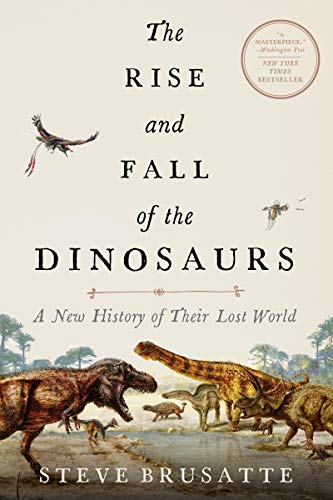
2.Mariner The Rise and Fall of the Dinosaurs
A new history of a lost world traces the dinosaurs' rise and fall

3.Candlewick Encyclopedia Prehistorica
Pop-up illustrations bring dinosaurs to life across the pages

4.Illustrated Encyclopedia of Dinosaurs and
Reference guide to 1,000 dinosaurs and prehistoric creatures, updated

5.2000 AD Encyclopedia of Dinosaurs
More than 900 scientific illustrations show 355 well-known dinosaurs

6.Princeton Field Guide to Dinosaurs, Third
Third edition field guide helps readers identify dinosaurs in the wild

7.DK Dinosaur Books in Our World in Pictures
Pictures introduce dinosaurs in a visual guide for curious readers
1. DK Definitive Visual Guide to Dinosaurs
DK’s Dinosaurs and Prehistoric Life is a visual reference book about prehistoric animals for adult readers. Its illustrated format puts visual material at the center, making it a good fit for readers who want to explore the subject through images as well as text.
The title presents the book as a definitive guide to dinosaurs and other prehistoric life. That broad scope suits readers interested in more than dinosaurs alone, with prehistoric animals included in the book’s subject.
At about 5.6 pounds, it is a substantial book to hold or carry around. Its roughly 12-inch height and 10-inch depth give the pages room for a large-format illustrated presentation.
The black book weighs more than many casual reads, so it is better suited to a shelf or a table than to carrying in a bag. The available details do not list specific animals, page count or coverage by era, so buyers seeking a particular topic may want to check those details.
For adults building a home reference shelf or choosing an illustrated introduction to prehistoric animals, this DK book offers a broad subject and a visual format. Its weight makes it most suitable for reading at home.
- Covers dinosaurs and other prehistoric animals
- Illustrated format supports visual browsing
- Large pages give illustrations room to show
- Weighs about 5.6 pounds, less portable
2. Mariner The Rise and Fall of the Dinosaurs
For adult readers exploring dinosaur history, The Rise and Fall of the Dinosaurs presents a new account of a lost prehistoric world. Its title also describes it as a dinosaur encyclopedia, making it a potential choice for readers who want an illustrated reference.
The book’s illustrated format gives readers images alongside its subject matter. That can make it easier to browse than a text-only account, whether you read from beginning to end or dip into sections for particular dinosaur topics.
Its title frames the book around the rise and fall of dinosaurs, with a focus on their place in a lost world. The supplied details do not list specific species, chapters or scientific topics, so buyers looking for coverage of a particular dinosaur may want to check the contents before choosing it.
At about 1.2 pounds, the book is still manageable to hold while reading, though it may feel substantial in a bag. It measures about 9 inches tall, giving it a familiar book-sized format for a shelf or reading table.
The listing identifies the format as illustrated but gives no page count or details about the images. This book suits adults who want an illustrated introduction to dinosaur history and are comfortable checking the contents for the level of detail they need.
- Illustrated format brings the dinosaur history to life
- Presents a new history of the prehistoric world
- Covers the rise and fall of the dinosaurs
- No major cons
3. Candlewick Encyclopedia Prehistorica
The pop-up format makes this dinosaur book a hands-on choice for adults who want more than a standard reference book. Its title points to prehistoric dinosaurs as the subject, while the three-dimensional pages give readers a different way to explore the topic.
The book weighs about 1.5 pounds, so it can sit comfortably in a reader’s hands or on a table during a closer look. Its black cover gives it a simple appearance on a shelf or coffee table.
At about 10 inches tall, it offers a book-sized format that’s easy to display or store alongside other reading. The pop-up design may also suit adults who enjoy illustrated books, paper engineering, or dinosaur-themed collections.
This is a focused pick rather than a broad guide to natural history: the title centers on dinosaurs, and the listed format is pop-up. Readers seeking a conventional text-heavy reference may want to check the interior before buying, since the available details don’t describe its coverage or reading depth.
With its dinosaur subject and interactive format, it suits adults looking for a distinctive display book or a tactile way to revisit prehistoric creatures. The listing does not provide details about specific species, illustrations, or the number of pop-ups.
- Pop-up format offers a hands-on reading experience
- Dinosaur subject suits focused prehistoric collections
- About 1.5 pounds for easy handling and display
- Listing gives no details about species or coverage
4. Illustrated Encyclopedia of Dinosaurs and
Adult dinosaur enthusiasts get an illustrated reference covering 1,000 dinosaurs and prehistoric creatures. The book’s updated and revised edition gives readers a broad subject to explore, from familiar dinosaurs to other prehistoric life.
Its illustrated format makes pictures part of the reference, rather than leaving the subject to text alone. Readers can browse the creatures visually or turn to the book for a focused look at prehistoric animals.
The guide’s 1,000-creature scope is its main draw for anyone building a dinosaur book collection. It can support leisurely browsing, help readers find more creatures to learn about, and offer a substantial reference to revisit.
At about 11 inches tall, this is a sizable book to keep on a shelf or read at a table. It weighs about 6.1 pounds, so it may feel more comfortable as a stay-at-home reference than a book to carry around.
The listed format is illustrated, and the title identifies the edition as updated and revised. The available details do not specify the kinds of illustrations or how entries are organized, so buyers looking for particular artwork or reference features may want to check those before choosing it.
For adults who enjoy visual guides and want a wide-ranging dinosaur and prehistoric-creature reference, its breadth and illustrated approach are the strongest reasons to consider it.
- Covers 1,000 dinosaurs and prehistoric creatures
- Illustrated format supports visual browsing
- Updated and revised reference edition
- Weighs about 6.1 pounds for reading
5. 2000 AD Encyclopedia of Dinosaurs
On a bookshelf or coffee table, this dinosaur guide gives adult readers an illustrated reference to 355 of the world’s best-known dinosaurs. Its focus on named species and scientific illustrations makes it useful for browsing as well as looking up familiar dinosaurs.
More than 900 illustrations accompany the entries, giving readers plenty of visual material to explore. The title describes them as scientific illustrations, so the book offers a visual guide alongside its coverage of dinosaur names.
The book’s 355-dinosaur scope suits readers who want more than a short introduction to a handful of popular species. Adults can dip into individual entries or work through the guide at their own pace, using its wide subject range for casual reading.
Its 9-by-11-inch format gives the reference a substantial page size for viewing illustrations. That size may suit a table or bookshelf better than a small bag, while the book weighs about 2.3 pounds.
The title positions this as an expert guide, but the provided details do not specify the reading level, organization, or depth of each entry. Buyers looking for a particular period, scientific discussion, or chapter layout may want to check those details before choosing it.
Overall, this book suits adult dinosaur enthusiasts who value a broad illustrated survey of well-known dinosaurs. It is especially worth considering for readers who want many species and images in one reference, rather than a guide focused on just a few dinosaurs.
- Covers 355 well-known dinosaurs in one guide
- Includes more than 900 scientific illustrations
- Large pages give illustrations room to show
- About 2.3 pounds may feel heavy to carry
6. Princeton Field Guide to Dinosaurs, Third
The Princeton Field Guide to Dinosaurs is a reference book for adults who want a substantial guide to dinosaurs. Its third edition is the clearest buying detail provided, so readers can identify the edition before choosing it for their shelf or collection.
The available listing does not describe the book’s coverage, illustrations, scientific approach or dinosaur species. That makes it difficult to judge how it compares with other dinosaur books or whether it suits a reader who wants a narrative, a field reference or a visual guide.
At about 4 pounds, this is a weighty book to hold for long stretches or carry around. It may fit better as a reference to keep at home, where readers can consult it at a desk or return to it when a dinosaur question comes up.
Its listed dimensions describe a book about 11 inches tall, making it a sizeable volume for a shelf or reading table. The listing gives no further information about page count, binding or print quality, so those details are worth checking before buying.
For adult readers, the third-edition title offers a straightforward starting point for considering this guide, but the supplied details leave its content and presentation unknown. It suits buyers seeking a dinosaur reference book by title, especially those comfortable choosing without a fuller description of its contents.
- Third edition offers an updated edition to choose
- About 11 inches tall for a substantial shelf book
- About 4 pounds may feel heavy to hold
7. DK Dinosaur Books in Our World in Pictures
DK presents The Dinosaur Book as a picture-led introduction to dinosaurs for adult readers who want a visual reference. Its “Our World in Pictures” format signals an emphasis on imagery, making it a useful choice for browsing as well as reading.
The title does not specify particular dinosaur species, scientific topics or image types, so buyers should not assume it covers a certain era or level of detail. Its subject and illustrated format make it suitable for readers who prefer visual material about dinosaurs.
At about 2.2 pounds, the book is substantial enough to sit on a table for browsing, though it may feel heavier than a slim paperback. The white edition measures about 11 inches tall, giving its pages a relatively tall format for viewing pictures.
The listing does not provide a page count, binding type or details about the text, so those comparing reference books may want to check those details before buying. It also does not state whether the content targets beginners, enthusiasts or readers seeking in-depth science.
As the roundup’s final pick, this book suits adults drawn to a dinosaur title presented through pictures rather than a specified specialist focus. Its visual framing and manageable book format are the clearest points available from the listing.
- Picture-led format suits visual browsing
- About 11 inches tall for a larger page format
- Dinosaur subject offers a focused topic
- Listing gives no page count or binding details
How to Choose the Best Dinosaur Books for Adults
Choosing a dinosaur book means balancing scientific accuracy, depth, pictures, and ease of use. Your ideal choice depends on whether you want a reference for browsing, a readable history, a field-style guide, or a large illustrated book to keep nearby.
| If You Need | Look For | Expect |
|---|---|---|
| A reliable reference | Sources, dates, expert authorship | More technical language |
| A broad overview | Many species and time periods | Shorter entries |
| A readable history | Narrative chapters and clear structure | Less lookup detail |
| Visual browsing | Large, labeled illustrations | More shelf space |
| A portable guide | Moderate dimensions and weight | Smaller images |
| A gift or display book | Durable binding and visual impact | Higher cost |
| Hands-on presentation | Pop-up construction and sturdy pages | Careful handling |
Scientific Accuracy
For adults, accuracy comes before sheer size, because dinosaur research changes as new fossils and analyses appear. Look for an author with relevant expertise, clear references, and explanations that separate well-supported findings from open questions.
A useful book identifies when its information was published or revised, since older classifications and species estimates may have changed. An updated edition is helpful, but publication date alone does not prove every entry reflects current research.
Notice how the text handles uncertainty about appearance, behavior, and relationships. Careful wording helps you distinguish evidence from reconstruction, while confident claims without sources can make a reference less dependable.
Coverage and Scope
Decide whether you want dinosaurs alone or a wider view of prehistoric life, including marine reptiles, flying reptiles, and other ancient animals. Broader coverage suits readers exploring ecosystems, while a dinosaur-only focus leaves more room for dinosaur detail.
Species counts offer a rough sense of breadth, but they do not tell you how useful entries will be. Check whether the book gives meaningful descriptions, dates, size estimates, and context, rather than a long list of names.
A guide covering many creatures helps with browsing and comparison, but individual entries may be brief. A narrower book often gives more space to selected species, which suits readers who want deeper explanations instead of maximum variety.
Writing Style and Structure
A narrative history suits readers who want a connected account of dinosaur evolution, extinction, and scientific discovery. Short chapters, plain language, and a clear timeline make it easier to read straight through without needing prior knowledge.
Reference books work better when entries are easy to locate and compare, so inspect the contents, index, headings, and any species groupings. Alphabetical or family-based organization helps answer a specific question without reading the entire book.
Some books mix storytelling with reference material, but the balance varies. If you plan to revisit facts, prioritize navigation and a thorough index; if you prefer an evening read, prioritize flowing prose and chapter structure.
Illustrations and Diagrams
Images help you compare body shapes, scales, and proportions, but they should support the text rather than replace it. Look for clear captions, labels, and scale references that explain what each image represents.
Scientific illustrations, fossil photographs, maps, and reconstructions serve different purposes. Fossil images show the evidence, while reconstructions help visualize a living animal; a mix gives a fuller view of what is known and inferred.
Large pages can make scenes and diagrams easier to inspect, especially for shared browsing. They also take more room and add weight, so smaller images may be the more practical trade-off for reading at a desk or carrying around.
Depth of Explanation
Consider how much detail you want about anatomy, habitats, diet, movement, and fossil discoveries. Introductory summaries are easier to browse, while longer explanations suit readers who want scientific context and links between species.
A book aimed at general adult readers should define unfamiliar terms or explain them through diagrams and examples. Technical vocabulary is useful when explained, but unexplained specialist language can slow down readers without a science background.
For a first dinosaur reference, look for clear introductions to geological time and major groups. Experienced readers may prefer detailed species comparisons, classification notes, and discussion of how evidence shapes scientific conclusions.
Edition and Currency
An edition number or revision note helps you identify whether the text and classifications have been updated. This is especially useful for a reference you expect to consult over time, since dinosaur names and relationships can change.
Compare the publication date with the book’s stated scope and references, rather than assuming a newer printing contains revised research. A reprint may preserve older material, while a genuinely revised edition should explain what changed.
If current science is your priority, seek citations or further-reading suggestions that let you follow important claims. For a general visual overview, an older book may still be enjoyable, but some details could be dated.
Size, Weight, and Handling
A large, heavy book gives illustrations room to breathe, but it is less comfortable to hold for long reading sessions. Check dimensions and weight before buying, especially if you plan to read on a sofa or carry it between rooms.
Slimmer, lighter books are easier to handle and store, though their pages may offer less space for large images. Choose a compact format for frequent browsing, and a larger one if the book will mostly stay open on a table.
Page design affects comfort as much as overall size. Readable type, generous spacing, and a layout that does not crowd captions make longer sessions easier, particularly when the book contains dense reference material.
Binding and Construction
A reference book often gets opened repeatedly, so binding affects how comfortably it lies flat and how well it holds up. Look for a sturdy cover and pages that feel suited to regular consultation.
Pop-up books and other interactive formats rely on movable paper parts, which need more careful handling than standard pages. They suit display or shared browsing, but are less convenient for quick reference and rough use.
If you expect frequent use, consider whether the construction suits your household and storage habits. Large hardcovers need shelf space, while delicate mechanisms call for careful page turning and a protected place to keep the book.
Price and Value
Lower-priced books often focus on accessible summaries or a narrower selection, which suits casual reading and first-time buyers. Before paying more, decide whether you will use expanded coverage, larger illustrations, stronger construction, or deeper explanations.
Higher prices are easier to justify when the book offers a combination you will return to, such as broad reference coverage, detailed artwork, or an updated edition. A large page count alone is not a reason to spend more.
Compare value against your purpose, not against another reader’s needs. A portable overview may serve you better than a costly, oversized encyclopedia, while a serious reference buyer may welcome the added detail and physical scale.
Frequently Asked Questions
Which dinosaur book is best for exploring prehistoric life through pictures?
The DK Definitive Visual Guide to Dinosaurs and DK Dinosaur Books in Our World in Pictures both take a visual approach, while Candlewick Encyclopedia Prehistorica features pop-up illustrations.
Which book offers a history of how dinosaurs rose and fell?
Mariner The Rise and Fall of the Dinosaurs traces dinosaurs’ rise and fall and tells the story of their lost world.
What’s the difference between the Illustrated Encyclopedia of Dinosaurs and the 2000 AD Encyclopedia of Dinosaurs?
The Illustrated Encyclopedia is a reference guide to 1,000 dinosaurs and prehistoric creatures, while the 2000 AD Encyclopedia features more than 900 scientific illustrations of 355 well-known dinosaurs.
Should I choose the Princeton Field Guide to Dinosaurs, Third Edition, or the DK Definitive Visual Guide to Dinosaurs?
Choose the Princeton guide if identifying dinosaurs is your priority; the DK guide focuses on bringing prehistoric animals into view with visual guides.
Which book is best for looking up a wide range of prehistoric creatures?
The Illustrated Encyclopedia of Dinosaurs and offers a reference to 1,000 dinosaurs and prehistoric creatures.
Do any of these books include pop-up pages?
Yes. Candlewick Encyclopedia Prehistorica uses pop-up illustrations to bring dinosaurs to life across its pages.
So, What Should You Buy?
For most readers, the DK Definitive Visual Guide to Dinosaurs is the best pick, bringing prehistoric animals into focus with visual guides. Choose The Rise and Fall of the Dinosaurs for a narrative history, or Candlewick Encyclopedia Prehistorica for lively pop-up illustrations.
For broad reference, consider the updated Illustrated Encyclopedia of Dinosaurs and Prehistoric Creatures; the 2000 AD Encyclopedia offers abundant scientific illustrations, while Princeton’s Third Edition Field Guide helps identify dinosaurs. For a picture-led introduction, pick DK Dinosaur Books in Our World in Pictures. Choose the book that best fits your curiosity.