

Strong data engineering skills help you turn scattered information into dependable pipelines, useful analytics, and better decisions. Yet tutorials can feel fragmented, while learning only on the job may leave gaps in databases, cloud platforms, and data modeling.
A well-chosen data engineering book gives those ideas a clearer path. It explains core concepts in context, helps you connect tools to real workflows, and gives you a reference to revisit as projects grow more complex.
Many books use practical examples to make pipeline design easier to understand, explain how to manage data quality, and introduce distributed systems or cloud-based tools. You can build a stronger foundation at your own pace and apply useful lessons to everyday work.
Books differ in technical depth, subject focus, and assumed experience, so your choice depends on what you want to learn next. Explore the best data engineering books below to find a useful guide for your goals.
8 Best Data Engineering Books Reviews

1.O'Reilly Fundamentals of Data Engineering
Plan and build robust data systems with guidance for every stage

2.Packt Publishing Data Engineering Practices
Architect robust, cost-effective data solutions for the cloud era

3.Wiley Data Engineering for Beginners
A beginner-friendly introduction to data engineering fundamentals

4.O'Reilly Data Pipelines Pocket Reference
Learn to move and process data for analytics applications efficiently

5.O'Reilly Databricks Data Engineer Study Guide
Build exam readiness with in-depth guidance and practice questions

6.Wiley The Data Warehouse Toolkit Guide
A definitive guide to data warehouse design with dimensional modeling
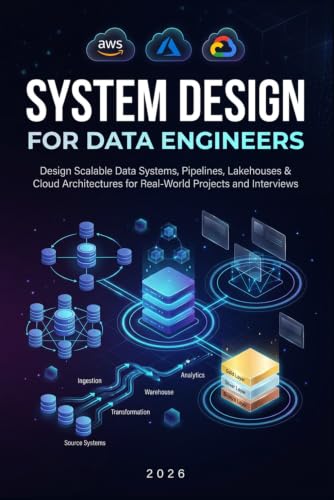
7.System Design for Data Engineers Guide
Design scalable data systems, pipelines, lakehouses, and cloud systems

8.Data Engineering Interview Questions Guide
Prepare with technical questions on SQL, Python, Spark, and cloud
1. O’Reilly Fundamentals of Data Engineering
Fundamentals of Data Engineering helps readers learn how to plan and build data systems. The title points to the book’s focus: the work of designing systems that handle data, rather than a specific tool or programming language.
Its subject suits readers who want a foundation in data engineering concepts and system planning. The title’s emphasis on building robust data systems gives the book a practical direction for people exploring how data systems fit together.
The available product details do not list specific topics, examples, tools or technologies covered inside. Readers who need a guide to a particular platform or a step-by-step technical tutorial may want to check the contents before buying.
At about 2.3 pounds, the book has some heft for carrying between home, school or work. Its printed format makes it a physical reference that can sit beside a computer while readers study data engineering ideas.
The book’s stated aim is to help readers plan and build robust data systems, making it relevant to people entering the field as well as professionals seeking a structured overview. It is best suited to buyers whose main goal is to explore data engineering as a discipline.
- Focuses on planning and building data systems
- Centers on robust data system design
- Covers data engineering as a complete subject
- No major cons
2. Packt Publishing Data Engineering Practices
For readers building data systems in the cloud, *Data Engineering Best Practices* focuses on designing solutions that balance robustness with cost. The title points to practical guidance for people who need to plan and shape data engineering work.
Its scope centers on cloud-era data solutions, making it relevant to readers who want to understand how data architecture choices connect to reliability and spending. The book’s emphasis is on best practices rather than a specific cloud provider or single tool.
The title also frames cost as part of sound engineering, alongside robustness. That focus can help readers think beyond getting a pipeline running and consider the broader design decisions behind a data solution.
Packt Publishing lists the book at about 2.1 pounds. Its printed format measures about 9 inches tall, which gives it a substantial footprint for reading at a desk or keeping on a shelf.
The available product information does not list a page count, edition, cloud platforms, programming languages or individual topics. Readers who need coverage of a particular service or hands-on examples should check the book’s contents before buying.
This book suits data engineers and architects seeking a cloud-focused guide to robust, cost-conscious solutions, especially those who want broad design principles rather than a book whose listed details promise coverage of a particular tool.
- Covers robust cloud data solution design
- Considers cost alongside engineering decisions
- Published by Packt Publishing
- No major cons
3. Wiley Data Engineering for Beginners
About 1.8 pounds, Data Engineering for Beginners is a compact book for readers starting to explore the field. Its title signals an introduction aimed at beginners, while the available product details do not describe the topics or teaching approach inside.
The book measures about 7.2 inches deep and 9 inches high, with a width of about 1 inch. Those proportions make it a relatively slim volume that can fit on a bookshelf or travel in a bag with other study materials.
For someone comparing data engineering books, the beginner-focused title offers one useful clue about its intended audience. The listing gives no information about chapters, code examples, exercises, tools, or prerequisites, so buyers looking for a particular subject or learning format will need more detail before deciding.
Its weight of about 1.8 pounds is the main practical specification provided. That can help readers judge whether it suits a desk or study space, though the listing does not state the page count or whether it includes digital materials.
The title may appeal to people who want to begin learning about data engineering, but the available listing leaves the book’s scope unclear. It suits readers who are comfortable checking the contents before buying, especially if they need coverage of specific skills or projects.
- Beginner-focused title signals its intended audience
- About 1.8 pounds for carrying between study spots
- Slim, about 1-inch-wide format fits on shelves
- Listing gives no details about topics or examples
4. O’Reilly Data Pipelines Pocket Reference
Data engineers who want a compact reference on data pipelines get a book focused on moving and processing data for analytics. Its pocket-reference format suits readers looking for a book they can keep nearby while working through data engineering topics.
The title centers on the pipeline work behind analytics, rather than presenting itself as a general data engineering guide. Readers considering it should keep that focused scope in mind when choosing a reference.
At about 7 inches tall, 4 inches wide and three-quarters of an inch thick, it has a small footprint on a desk or shelf. Its roughly 2.3-pound weight is worth considering if you plan to carry it regularly.
The available listing provides no details about its chapters, examples, intended skill level or publication date. That makes it difficult to judge how deeply it covers specific tools or whether its material fits a particular project.
This book may suit data engineering readers who want a physical pocket reference on data movement and processing for analytics. Buyers who need a detailed chapter-by-chapter guide may want more information before deciding.
- Pocket reference focuses on moving data for analytics
- Covers data processing for analytics workflows
- Compact 7-inch format is easy to carry
- No major cons
5. O’Reilly Databricks Data Engineer Study Guide
For a study desk or library table, the O’Reilly Databricks Certified Data Engineer Associate Study Guide offers a focused resource for people preparing for the associate-level certification. Its title promises in-depth guidance and practice, making exam preparation the book’s central purpose.
The subject also gives data engineers a way to organize their learning around Databricks certification. Readers can use a dedicated guide to structure study time and revisit material as they prepare, rather than relying on a general data engineering book.
Its associate-level focus helps readers identify the certification they are studying for before they begin. The title also signals that the book combines guidance with practice, two kinds of preparation that can support review of the exam material.
At about 9 inches tall and 7 inches wide, this paperback-sized book can sit beside a laptop or notebook without taking up much desk space. Its listed weight is about 1.6 pounds, so it can also travel in a work or study bag.
The available product information does not list a page count, edition, or specific chapters, so buyers may want to check those details before choosing it. Still, its named certification and practice-oriented focus make its intended use easy to understand.
This guide suits aspiring Databricks data engineers and working professionals who want a book centered on the Data Engineer Associate certification. Readers seeking broader coverage of data engineering topics may prefer to pair it with a more general reference.
- Focuses on the Databricks Associate certification
- Guidance and practice support exam preparation
- Portable size suits desk or bag study
- No major cons
6. Wiley The Data Warehouse Toolkit Guide
Dimensional modeling is the focus of The Data Warehouse Toolkit, a book for readers building knowledge of data warehousing and data engineering. Its title presents it as a guide to the subject, making it relevant to readers who want to understand how dimensional models fit into data warehouse work.
The book comes in an illustrated format, which gives buyers a visual edition rather than a text-only listing. That detail may matter to readers choosing a reference they expect to consult as they learn or revisit the material.
At about 2.2 pounds, it is a substantial book to carry between home, work and study. Its listed size is roughly 9 inches tall, so it can sit with other reference books on a shelf or desk.
Wiley is the listed brand. The available product details do not specify the book’s page count, edition, or particular topics beyond dimensional modeling, so buyers who need those details may want to check the listing before choosing it.
For readers assembling a data engineering reference shelf, this book is most suited to those specifically interested in dimensional modeling. Its illustrated format and clear subject focus make it a considered option for study or reference.
- Focuses on dimensional modeling for data work
- Illustrated format offers a visual edition
- Wiley title for a data engineering bookshelf
- No major cons
7. System Design for Data Engineers Guide
The book focuses on system design for data engineers, covering scalable data systems, pipelines, lakehouses and cloud architectures. Its title also points to real-world projects and interview preparation, making it relevant to readers building practical skills or studying for data engineering roles.
Those topics span several parts of modern data engineering, from designing data flows to working with lakehouse and cloud architectures. The book’s stated focus gives readers a way to explore system design through the needs of data engineering rather than software design in general.
The title also highlights projects and interviews, two useful contexts for learning how design ideas apply. Readers can consider it for both hands-on learning and preparation for data engineering interviews.
At about 0.9 pounds, it is light enough to carry between home, school or work. Its physical format is about 9 inches tall, though the provided information does not state a page count or edition.
The listing gives no details about the book’s exercises, author, publication date or specific cloud platforms. This book suits aspiring and working data engineers who want a title centered on system design, data pipelines and modern data architectures.
- Covers pipelines, lakehouses, and cloud architecture
- Connects system design with real-world projects
- Includes data engineering interview preparation
- Weighs about 0.9 pounds for portability
- No details on exercises or specific platforms
8. Data Engineering Interview Questions Guide
With technical questions and real-world interview scenarios, *Data Engineering Interview* gives job candidates material to use when preparing for data engineering roles. Its title also points to system design, SQL, Python, Spark and cloud topics, covering both practical tools and broader engineering problems.
The book focuses on interview preparation rather than general data engineering instruction. System design questions can help readers practice explaining how they would approach larger technical problems, while SQL and Python topics address two common areas of coding interviews.
Spark and cloud also appear among the named subjects, giving candidates topics to review alongside programming and design. The real-world scenarios offer another kind of preparation, though the listing does not describe how many questions it includes or how deeply each subject is covered.
At about 2.6 pounds, this is a substantial book to carry between home, work and study sessions. Its listed dimensions are about 11 inches tall, making it a large-format volume rather than a compact pocket guide.
This final pick suits data engineering candidates who want one book spanning technical questions, system design and several named tools. Check the contents before buying if you need a specific level of detail or a particular interview format.
- Covers SQL, Python, Spark and cloud topics
- Includes system design and real-world scenarios
- Addresses technical interview questions directly
- Listing gives no detail on question count or depth
How to Choose the Best Data Engineering Books
Choosing a data engineering book is easier when you match its scope to your goals, background, and preferred format. Topic depth, practical exercises, publication date, portability, and price all affect whether a book supports your learning or simply adds shelf weight.
| If You Need | Look For | Expect |
|---|---|---|
| A first introduction | Plain explanations and prerequisites | Slower pace, less depth |
| Practical pipeline skills | Examples and architecture guidance | More technical reading |
| Analytics modeling | Dimensional modeling diagrams | Narrower subject coverage |
| Certification preparation | Exam objectives and practice questions | Focus on one platform |
| Interview preparation | SQL, coding, and design scenarios | Less broad textbook coverage |
| A portable reference | Compact dimensions and clear indexing | Smaller text and less detail |
Match The Book To Your Goal
Start with the job you want the book to do: teach foundations, explain a specific area, prepare you for an exam, or help with interviews. A focused title usually serves one purpose better than a broad survey.
For a first introduction, look for beginner-friendly explanations and limited assumed knowledge, since dense systems language can slow you down. Experienced readers often benefit more from architecture decisions, trade-offs, and concrete design examples.
If you need help at work, choose a subject close to your tasks, such as pipelines, warehouses, or cloud systems. Interview and certification books are more useful when your immediate goal is assessment preparation.
Check Topic Coverage
Data engineering spans data movement, storage, modeling, processing, orchestration, reliability, and cloud architecture, so one book rarely covers everything deeply. Read the contents page and look for the subjects you actually need.
A broad foundation helps you connect the stages of a data system, while a specialist book gives more space to one topic. Choose breadth for orientation and depth when you already know your learning gap.
Titles can make coverage sound wider than it is, so inspect chapter headings and sample pages where available. Look for the balance between concepts, examples, and practical decisions rather than relying on a title alone.
Look For Practical Detail
Examples help turn abstract ideas into decisions about data flow, storage, cost, and failure handling. Look for diagrams, worked scenarios, code, or case studies that explain why a design fits a particular situation.
A book centered on concepts can build a durable mental model, but it might offer little direct practice. For hands-on learning, seek exercises or examples that you can adapt to your own tools and datasets.
Also consider whether examples explain their assumptions and limits, since a code snippet alone does not teach when to use it. Clear reasoning is especially useful when systems differ from the book’s setup.
Judge Technical Level
Prerequisites affect how quickly you can use a book, especially if it expects knowledge of SQL, programming, cloud services, or distributed systems. Look for an audience description and early chapters that fit your current level.
Beginners often need terms explained before advanced architecture appears, while experienced engineers may prefer fewer introductory pages. A mismatch wastes time: either you struggle with assumed knowledge or pay for material you already understand.
For a specialized guide, check whether it teaches foundations or expects them. If you are new to a platform or certification area, confirm that the book introduces its terminology before moving into practice questions.
Consider Currency
Cloud services, data tools, and certification requirements change, so publication date is useful context. Recent material is more likely to reflect current interfaces and exam objectives, while older books can still teach enduring design principles.
Look for the publication or edition date, then compare it with the pace of change in the subject. Platform-specific instructions need fresher coverage than foundational topics such as data modeling or system design.
A recent date alone does not guarantee accuracy or depth, so review the contents and sample material too. For fast-changing tools, pair a book with current official documentation when exact steps are important.
Check Exercises And Reference Value
Practice questions suit readers who need to assess recall or prepare for an exam, while projects help learners apply ideas in sequence. Choose the format that matches how you study and what you need to produce.
Reference books work best when chapters are easy to revisit, with useful headings, diagrams, and an index. A linear teaching style suits a first read, but it is less convenient when you need a quick answer.
Check whether examples include solutions or explanations, because unanswered exercises can be frustrating when you are studying alone. For interview preparation, realistic prompts and reasoning matter more than a large list of questions.
Choose A Format You Will Use
Printed dimensions and weight affect whether a book stays on a desk, travels in a bag, or fits beside a laptop. A larger volume may leave more room for diagrams, while a compact reference is easier to carry.
When portability matters, compare the listed weight and dimensions with your commute or study setup. A book around two pounds is substantial for daily travel; a lighter or smaller option is easier to bring along.
Consider your reading habits too: dense technical material often benefits from marking pages and sketching notes, while digital formats are easier to search. Confirm the available format before buying, since listings may describe only one edition.
Review Cost And Value
Price often reflects length, specialization, illustration, or included practice, but a higher cost does not automatically mean a better fit. Compare the price with the specific skills or preparation the book provides.
A focused guide may be worthwhile when it supports a near-term goal, such as an exam or a particular technical topic. For broad learning, a less expensive overview may be enough before you invest in deeper references.
If you are choosing between several books, avoid paying for repeated introductory coverage. Spend more when the extra material directly addresses a gap, includes useful exercises, or saves time against a clear deadline.
Verify Edition And Listing Details
Before ordering, confirm that the listing describes the format and edition you want, since print, digital, and revised versions can differ. This is particularly important for study materials tied to changing exams or software.
Check dimensions, page count, and any edition notes when available, because a compact reference and a full textbook serve different reading needs. Listing details also help you judge whether the book suits your workspace.
If buying used, confirm the condition and whether required access codes or supplementary materials are included. Missing extras can reduce the value of a workbook or study guide, even when the printed book is intact.
Plan How It Fits Your Learning
A book is most useful when it fits a realistic study plan, not just an appealing topic. Estimate whether you want a quick reference, a structured course of reading, or several weeks of guided practice.
For a broad career foundation, sequence topics from core concepts toward architecture and specialized tools. If you have a specific interview or certification date, prioritize focused practice and leave time to review weak areas.
Finally, consider what support you will use alongside the book, such as documentation, sample datasets, or a course. Practical work helps you test ideas, while the book provides context for the choices you make.
Frequently Asked Questions
Do these data engineering books need a particular software or power source?
No power source is needed to read them, and the listed descriptions don’t specify required software. Some topics cover cloud systems, Databricks, or data tools, but those are areas of study rather than stated requirements.
What comes with each book?
The products are books or study guides, and their listed features describe the topics they cover. The descriptions don’t specify extras such as downloadable materials or practice files, so check the individual listing for included items.
Which book is best for someone new to data engineering?
Wiley’s *Data Engineering for Beginners* is described as a beginner-friendly introduction to the fundamentals. *O’Reilly Fundamentals of Data Engineering* is another option if you want guidance across the stages of building data systems.
Should I choose *Fundamentals of Data Engineering* or *Data Engineering Practices*?
Choose *Fundamentals of Data Engineering* for guidance on planning and building robust data systems through each stage. Choose *Data Engineering Practices* if you’re focused on architecting cost-effective solutions for the cloud era.
Which book should I pick for data warehouse design?
Wiley’s *The Data Warehouse Toolkit Guide* focuses on data warehouse design and dimensional modeling. It’s the most directly aligned choice for those topics.
Which books can help with certification or job interview preparation?
*O’Reilly Databricks Data Engineer Study Guide* focuses on exam readiness and practice questions. *Data Engineering Interview Questions Guide* covers technical interview topics including SQL, Python, Spark, and cloud.
Which book is best for learning about data pipelines and scalable system design?
*O’Reilly Data Pipelines Pocket Reference* focuses on moving and processing data for analytics applications. For broader system architecture, *System Design for Data Engineers Guide* covers scalable pipelines, lakehouses, and cloud systems.
So, What Should You Buy?
For most readers, choose O’Reilly’s *Fundamentals of Data Engineering* for guidance across every stage of building robust data systems. Beginners may prefer Wiley’s *Data Engineering for Beginners*, while cloud-focused readers should consider Packt’s *Data Engineering Practices* for cost-effective architecture.
Need a quick reference? Pick O’Reilly’s *Data Pipelines Pocket Reference*. For specialized goals, choose the Databricks study guide, *The Data Warehouse Toolkit Guide*, the system design guide, or the interview questions guide. Match your next step to the book—and start learning with confidence.