

Books can turn everyday moments into chances for your child to recognize words, sound out letters, and enjoy stories. Without a clear learning path, early reading practice can feel scattered, while cartoons and ordinary picture books may entertain without teaching phonics or word skills.
A thoughtfully chosen reading book gives your child a manageable way to practice. Short lessons introduce letter sounds and simple words, then build toward sentences, helping you support steady progress without relying on screens or improvised exercises.
Many books use colorful illustrations to hold attention, repeated words to build confidence, and phonics activities to connect letters with sounds. Larger print and short pages can also make practice feel comfortable for young readers.
Books differ in reading level, lesson style, and page length, so choose one that suits your child’s age and current skills. Explore the best books to teach kids to read for your child below.
8 Best Books to Teach Kids to Read Reviews

1.Scholastic Set 1 Beginning Readers Books
Easy-to-read text helps kids practice reading with confidence

2.Touchstone Teach Your Child to Read
100 easy lessons guide parents through teaching their child to read

3.Modern Kid Press Teach Me to Read Workbook
Phonics, decodables and video tutorials guide children as they learn

4.Callisto Kids Learn to Read Activity Books
101 fun phonics lessons give children practice as they learn to read

5.Scholastic First Little Readers Parent Pack
25 beginner-level books give children guided reading practice at home

6.Schwartz & Wade How Rocket Learned to Read
Rocket's story introduces children to the joy of learning how to read
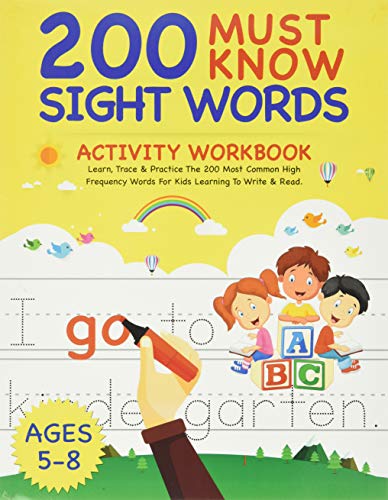
7.Various 200 Must Know Sight Words Workbook
Trace and practice 200 common sight words for reading and writing

8.Learn to Read Step-by-Step Phonics Book
Phonics, words and stories help beginning readers learn step by step
1. Scholastic Set 1 Beginning Readers Books
Bob Books Set 1 helps children ages 4 and up start reading with phonics and short, easy-to-read text. It targets kindergarten beginners at Stage 1, giving young readers a starting point for practicing how written words work.
The set’s phonics focus makes it relevant for children learning to connect letters and sounds. Its place at the starting-to-read stage can suit a child who is just beginning reading practice, rather than someone ready for longer or more advanced books.
Easy-to-read text helps children work through the words on the page themselves. That can make the books useful for short reading sessions at home or alongside kindergarten lessons, with adults nearby to support a new reader.
The listing says the box set comes in proper packaging, which keeps the books together for storage or as a gift. It weighs about 2.3 pounds, so it can be carried between home and school, though it may feel heavy for a young child to carry alone.
The product information does not specify the number of books or pages, so buyers may want to check those details before ordering. It is aimed at ages 4 and up and early kindergarten reading, making it a fit for families seeking a phonics-based starting set for beginning readers.
- Phonics focus supports early reading practice
- Easy-to-read text suits beginning readers
- Designed for ages 4 and up
- Box set packaging keeps books together
- No major cons
2. Touchstone Teach Your Child to Read
For families ready to begin early reading practice, this book organizes instruction into 100 lessons. Its revised and updated second edition gives parents a defined sequence to follow as they work with a child at home.
The lesson count is the clearest point for buyers comparing reading books. One hundred lessons offer a set path through repeated practice, so families can work through the material in smaller sessions rather than choose activities without a sequence.
The title focuses on teaching a child to read, making it relevant to parents looking for a book centered on reading instruction. The listing does not specify an age range, lesson length or particular teaching method, so buyers should check the book itself if those details matter.
At about 2.1 pounds, it is a substantial physical book rather than a small, lightweight reader. Its white cover and roughly 11-inch-tall format make it a larger book to keep on a shelf or use at a table.
The title identifies this as the revised and updated second edition, which distinguishes it from earlier editions. Amazon’s listing offers few additional details about the content, but the lesson-based format may suit families who want a book to guide regular reading practice.
This book is best suited to parents seeking a structured, 100-lesson resource for teaching a child to read, especially those comfortable choosing a book without detailed descriptions of its approach.
- Provides a defined sequence of 100 lessons
- Revised and updated second edition
- Focuses directly on teaching children to read
- Listing gives few details about the teaching method
3. Modern Kid Press Teach Me to Read Workbook
Phonics gives children a way to connect letters with sounds, and Teach Me to Read guides that learning through a parent-supported workbook. It focuses on helping kids learn to read with phonics, decodable texts and the Science of Reading.
Parents can work through the material alongside their children, making this a shared learning resource rather than a workbook designed only for independent practice. The title also includes video tutorials, giving families another format to use as they work through reading lessons.
Phonics practice helps children learn how written letters relate to spoken sounds. Decodables give them text to read using those skills, while the Science of Reading frames the workbook’s approach to instruction.
The parent-guided format can suit adults who want to take an active role in early reading practice. It may also help families build reading activities into time together, with the workbook serving as a structured resource.
At about 10 inches tall and 8 inches across, the book has a workbook format that can sit on a desk or table during lessons. Its listed weight is about 1 pound, so it remains manageable to move between reading spots.
This book suits parents seeking a hands-on way to teach early reading at home, especially those interested in phonics, decodables and video tutorials. Buyers looking for a parent-led workbook with those specific approaches will find them brought together here.
- Combines phonics and decodables for reading practice
- Parent-guided format supports shared learning
- Video tutorials add another teaching resource
- Uses the Science of Reading approach
- No major cons
4. Callisto Kids Learn to Read Activity Books
Parents teaching early readers get 101 phonics lessons in the Callisto Kids Learn to Read Activity Book. Its lesson-based format gives families a set of activities to work through as children build reading skills.
The title describes the lessons as fun and focused on phonics, making this book a fit for parents who want to teach reading through sound-based activities. The 101 lessons offer a defined set of exercises rather than a single activity.
At about 8 inches wide and 10 inches tall, the book has a compact page size for reading and writing at a table. Its listed weight is about 2.3 pounds, so it may be more comfortable to use at home than to carry around regularly.
The title identifies the book as part of the Phonics Makes Readers line. That gives buyers the series name when looking for related reading materials, though the listing provides no further details about the lesson content.
This activity book suits parents looking for a phonics-based resource with many lessons to support a child learning to read. The available details focus on the lesson count and format, so buyers seeking specifics on age range or included exercises may want more information.
- 101 phonics lessons offer plenty to work through
- Activity-book format supports hands-on reading practice
- Phonics focus suits children learning to read
- About 2.3 pounds may limit portability
5. Scholastic First Little Readers Parent Pack
At home, the Scholastic First Little Readers Parent Pack gives beginning readers 25 illustrated books at Guided Reading Level A. The set focuses on early reading, with a level intended for children starting to read.
The 25 books give families several short reading choices in one pack. Their Level A designation helps parents choose books aimed at beginning readers and keep the reading material consistent across the set.
Illustrations add visual content to each book, giving children pictures alongside the words as they practice reading. Families can use the books for shared reading, or let a child revisit a familiar title as confidence grows.
The pack weighs about 2.3 pounds, so it can be moved between a reading spot, a bedroom or a bag for travel. Its compact format measures about six inches across, making the books easy to store on a shelf or in a small reading area.
The product data does not list individual titles, page counts or activity details, so buyers may want to check those specifics if they matter to their choice. It suits families looking for a collection of illustrated, Level A books for children beginning to read.
- Includes 25 illustrated books for early reading
- Level A targets children just starting to read
- Compact books are easy to store and carry
- No major cons
6. Schwartz & Wade How Rocket Learned to Read
Picture-book storytelling makes *How Rocket Learned to Read* a choice for introducing children to reading. The product details identify it as a picture book, but give no further information about its story, reading approach or learning features.
Its multicolor presentation suits a book meant to be read together or explored by young readers. The listing does not specify an age range, so caregivers will need to judge whether its content suits the child they have in mind.
The book weighs about 1 pound, making it a fairly light option to hold during a reading session or carry in a bag. Its listed format is a picture book, rather than a workbook or another activity-based format.
At about 10.8 inches tall, it has a substantial page height for looking through illustrations while reading. The listing gives no details about the number of pages, print size or whether it includes activities.
For buyers choosing books to teach kids to read, the title points toward a reading-themed story, but the supplied product information does not explain what skills it teaches. It may suit families seeking a picture book to share as part of early reading time.
- Picture-book format suits shared reading
- Multicolor presentation gives the book visual variety
- About 10.8 inches tall for viewing pages
- About 1 pound for comfortable handling
- Listing gives no details on reading skills
7. Various 200 Must Know Sight Words Workbook
Various presents a sight-word workbook for children ages 5 to 8 who are learning to read and write. It focuses on 200 common words, giving young learners a set of everyday reading words to work through.
The title highlights three activities: learning, tracing and practicing. Children can trace the words as they work on writing, then practice recognizing them as part of early reading.
With 200 high-frequency words, the workbook offers a broad set of words for repeated practice. That gives families and teachers plenty of material to use across early literacy sessions.
Its focus on both reading and writing makes it useful for children building those skills together. The age range points to early learners, though the product details don’t specify a particular reading level or lesson plan.
The workbook weighs about 0.6 pounds and measures about 8.5 by 11 inches. Its page size gives children room to trace and write, while its light weight makes it easy to carry between home and school.
This book suits families and educators looking for a simple way to practice common words with children ages 5 to 8. The available details don’t list additional activities beyond learning, tracing and practice.
- Practices 200 common sight words for early reading
- Tracing activities help kids practice writing words
- Designed for children ages 5 to 8
- No major cons
8. Learn to Read Step-by-Step Phonics Book
With phonics instruction and short stories, this book takes beginning readers from first sounds toward reading connected text. It suits families looking for a step-by-step resource that combines sound practice, word learning and stories in one book.
The title lays out a progression from first sounds to stories, giving readers a path from early phonics to reading words in context. That structure can help adults guide a child through early reading stages without relying on stories alone.
Phonics and word practice focus on building the skills that beginning readers need to approach written text. Stories then give children a chance to use those skills while reading connected sentences, rather than practicing sounds and words only in isolation.
The book’s 8.5-inch by 11-inch format offers a large page area for reading together or working through lessons at a table. Its slim, quarter-inch profile also takes up little shelf or bag space.
Because the listing provides no further lesson details, buyers should check the book itself or seller information if they need specifics about its activities or level. Still, the title’s sound-to-story sequence makes its purpose clear for adults choosing an early reading resource.
This is our final pick for caregivers who want a book centered on phonics, words and stories for beginning readers. Its stepwise focus may suit children starting with letter sounds and moving toward reading simple text with adult support.
- Moves from first sounds toward stories
- Combines phonics, words and stories
- Large 8.5-by-11-inch page format
- No major cons
How to Choose the Best Books to Teach Kids to Read
The right reading book should match your child’s current skills, keep practice manageable, and suit the time you can give it. Age, teaching approach, lesson format, and budget all shape which option will work well at home.
| If You Need | Look For | Expect |
|---|---|---|
| First reading practice | Short phonics lessons and simple words | Slower, step-by-step progress |
| Independent story time | Decodable text at an early level | Limited vocabulary and repetition |
| Parent-led teaching | Clear lesson order and adult guidance | More time beside your child |
| Extra writing practice | Tracing and word activities | Pencil work alongside reading |
| Sight-word support | Common words in short practice sets | Memorization alongside phonics |
| Several books to share | A multi-book set with easy text | More storage and sorting |
| A read-aloud introduction | An illustrated story about reading | Enjoyment, not a full lesson plan |
Match Your Child’s Reading Stage
Start with what your child can already do, rather than choosing by age alone, because children begin reading with different levels of letter and sound knowledge. Look for descriptions such as first sounds, beginning reader, or early guided level.
A child who is still learning letter sounds usually needs brief, supported practice before longer stories. If your child already blends simple sounds, choose material that offers more words and short sentences, so each session builds on familiar skills.
Age guidance is a useful starting point, but it does not measure reading ability. Choose a book your child can attempt with some success and adult help; material that feels far ahead often turns practice into frustration.
Teaching Approach
Phonics teaches children to connect letters with their sounds, then blend those sounds into words. For a beginner, look for a clear sequence that introduces sounds before asking the child to read unfamiliar words.
Decodable books use words built from sound patterns the child has learned, which gives them a chance to apply phonics instead of guessing from pictures. This approach suits children who need practice turning letter sounds into reading.
Sight words are common words children often learn to recognize quickly, including words that do not follow simple sound rules. These activities can support fluent reading, but they work best alongside phonics rather than as the only teaching method.
Some books present a structured teaching sequence, while others offer stories or skill practice without a full course. If you want a clear path from sounds to reading, look for ordered lessons; a storybook alone may not provide that structure.
Parent Guidance
A parent-guided book explains what to teach and what to do next, which helps when you are unsure how to support a new reader. Look for simple directions, a sensible lesson order, and examples you can follow aloud.
A self-directed activity book gives children more chances to trace, circle, or complete tasks, but younger beginners still benefit from an adult nearby. Choose a format that fits your role, whether you plan to teach each step or supervise practice.
Video tutorials add another way to see how a lesson is presented, which may help if written directions leave you uncertain. Confirm whether the videos are easy to access and whether you are comfortable using a screen during reading time.
Lesson Length And Pace
A set of 100 or 101 lessons suggests a planned course, but the number alone does not tell you how long each session takes. Read the sample pages or description for lesson steps, practice amounts, and review activities.
Short sessions are usually easier to fit into a child’s day, especially when attention is limited. If the book has several tasks per lesson, plan to split them up rather than pushing through when your child is tired.
A course with a fixed sequence helps you see what comes next, while a collection of standalone books lets you choose a story more freely. Pick the structure that suits your schedule and your child’s response to routine.
Practice And Skill Mix
Look at what the child actually does on the page, because repeated reading, tracing, and sound work build different skills. A balanced choice gives practice with sounds and words, while writing activities add pencil control and spelling support.
Workbooks that focus on high-frequency words help children recognize common words quickly, but too much memorization can leave sound-based reading under-practiced. For a beginning reader, pair word recognition with opportunities to sound out new words.
A collection of short books offers repeated chances to read complete stories, which can help children feel that they are making progress. Check whether the text stays within the child’s current reading level, since difficult words can interrupt that confidence.
Story Appeal And Illustrations
Pictures and appealing storylines can encourage a child to return to a book, especially when reading is still new. Look for clear illustrations and brief text, but make sure the book also suits the learning goal you have.
A picture book about learning to read can make a pleasant shared read-aloud, yet it may not teach letter sounds in a step-by-step way. Treat story enjoyment as a useful addition, not a replacement for direct practice.
Repeated words and familiar story patterns help early readers anticipate what comes next, but overly predictable text may offer little new challenge. Choose stories that feel manageable now and leave room for gradual growth.
Format And Handling
A workbook needs space for a child to write, so larger pages are easier to use at a table but take up more room in a bag or shelf. Check page dimensions if your child will work independently.
A small storybook is easier for little hands to hold and carry, while a larger book may offer more room for text and illustrations. Consider where reading will happen and whether the child can comfortably turn the pages.
Sets with many books bring variety, but they need more storage and can be harder to keep in order. A single workbook is simpler to put away, though it may offer less choice for shared reading.
Durability And Reuse
If your child will write directly in the book, treat it as a one-child resource unless pages are designed for repeated use. Check whether activities can be completed with a pencil and erased, or whether each page is meant to be filled in.
A book used for frequent practice needs a binding that stays open and pages that handle regular turning. Product descriptions do not always explain binding strength, so review the format and consider how often the book will be handled.
For a collection, sturdy storage helps keep the books together between sessions, but a box adds bulk. If the set will travel between home and school, a lighter or more compact format is easier to carry.
Price And Value
Lower-cost options often focus on one skill or provide a simple story, while larger sets and structured courses usually include more material. Compare the amount of usable practice with your child’s stage rather than judging by page count alone.
Paying more is worthwhile when the format provides a teaching sequence, a range of suitable books, or guidance you will use regularly. Extra activities add little value if they do not fit your child’s needs or your available time.
Include the cost of supporting materials in your budget, such as pencils or storage, and consider whether pages are reusable. A focused book may be the better buy when it fills one clear gap in a child’s reading practice.
Frequently Asked Questions
Which book is best for building confidence with early reading?
Scholastic Set 1 Beginning Readers Books uses easy-to-read text to help kids practice with confidence. For a guided collection at home, Scholastic First Little Readers Parent Pack includes 25 beginner-level books.
Do these books require batteries or another power source?
The listed books and workbooks are print-based, so they do not require batteries. Modern Kid Press Teach Me to Read Workbook also includes video tutorials, which require a device to view.
What should I look for in the books’ materials and build?
Check the product listing for details such as binding, paper, and whether pages are designed for writing, since those details aren’t specified for every product here.
What comes in the Scholastic First Little Readers Parent Pack?
It includes 25 beginner-level books for guided reading practice at home.
Should I choose Touchstone Teach Your Child to Read or Modern Kid Press Teach Me to Read Workbook?
Touchstone offers 100 easy lessons to guide parents, while Modern Kid Press combines phonics, decodables, and video tutorials. Choose based on whether you prefer a parent-guided lesson sequence or a mix of learning formats.
How can kids practice sight words and writing?
Various 200 Must Know Sight Words Workbook lets children trace and practice 200 common sight words for reading and writing.
What’s a good way to make learning to read feel fun?
Schwartz & Wade How Rocket Learned to Read introduces the joy of reading through Rocket’s story, while Callisto Kids Learn to Read Activity Books offers 101 fun phonics lessons for practice.
So, What Should You Buy?
For most families, Scholastic Set 1 Beginning Readers is a strong pick: its easy-to-read text helps children build confidence through practice. Parents who want a structured teaching plan can choose Touchstone Teach Your Child to Read, with 100 guided lessons, while budget-conscious buyers may prefer the focused 200 Must Know Sight Words Workbook.
For varied phonics practice, consider Callisto Kids’ 101 lessons or Modern Kid Press’s workbook with video tutorials. Choose First Little Readers for a 25-book home set, Rocket for a story-led introduction, or Learn to Read Step-by-Step for gradual phonics practice. Pick the format that fits your child’s needs.